
Keeping Up with Your Owner's Manual Maintenance Schedule

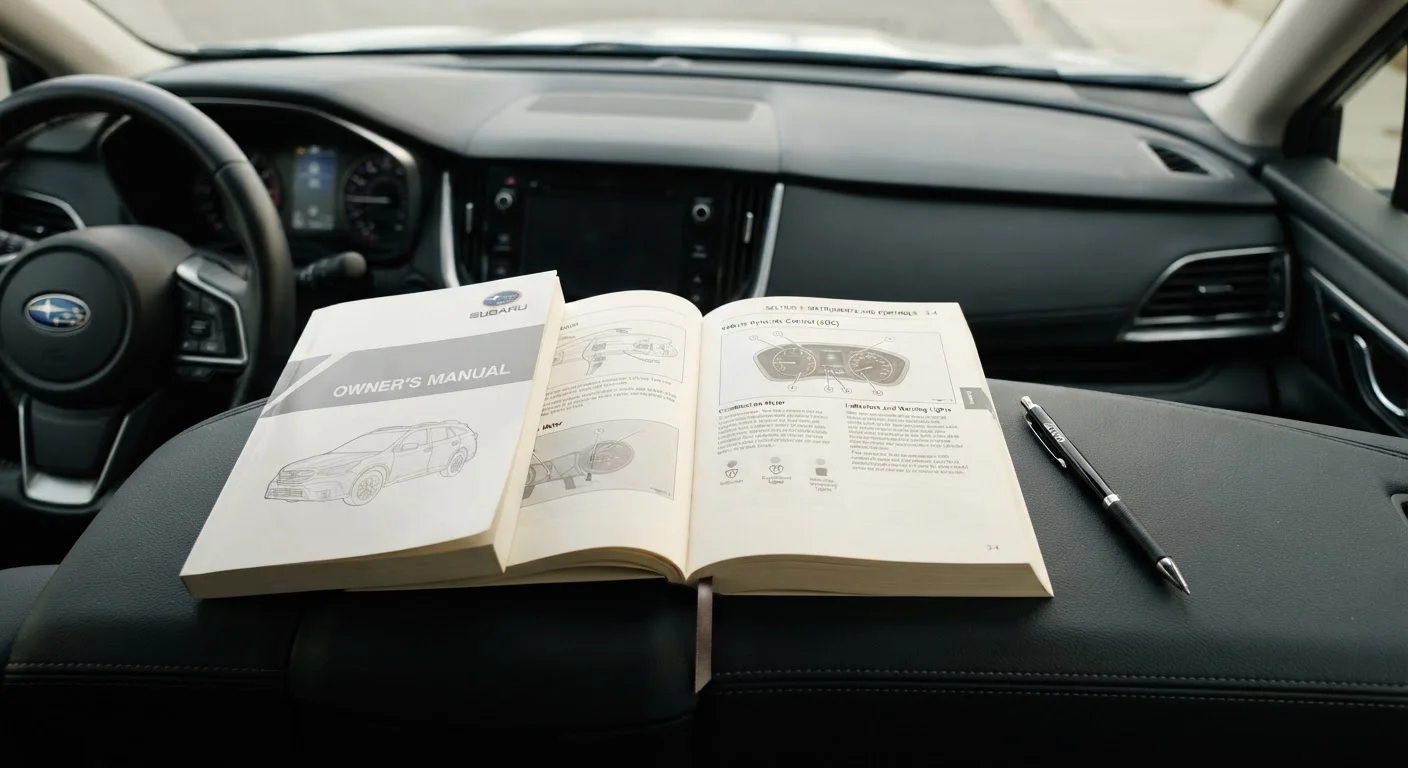
Photo: FaqsBay.com | Trending Blogs, Top Genres editorial
Key Takeaways
- Your owner's manual provides manufacturer-specified maintenance intervals tailored to your exact vehicle.
- Following the manual's schedule-not generic advice-is the most reliable way to protect your car long-term.
- Severe-duty driving conditions may require more frequent service than the standard schedule recommends.
- Keeping a simple maintenance log helps you track service history and maintain resale value.
- Digital copies of most owner's manuals are available free from manufacturer websites if you've lost yours.
Why the Owner's Manual Is Your Best Maintenance Resource
Most drivers treat the owner's manual like fine print - something to glance at once and tuck into the glove compartment forever. That's a costly habit. Your manual is the only document written specifically for your vehicle's engine, transmission, and component specifications. Generic advice from internet forums or even well-meaning friends rarely accounts for your exact model year, drivetrain, or the fluids your manufacturer requires.
Manufacturers invest significant engineering resources into determining when components need attention. The maintenance schedule in your manual reflects that work. It specifies oil change intervals, transmission fluid replacement, spark plug replacement, timing belt or chain inspection, and dozens of other services - each tied to either mileage milestones or elapsed time, whichever comes first.
If you've misplaced your manual, don't guess. Most automakers publish free digital versions on their official websites, searchable by year, make, and model. Some also offer them through the National Highway Traffic Safety Administration (NHTSA) vehicle information portal. Our first-timer's guide to car maintenance can help you interpret what you find once you have it in hand.
Understanding Normal vs. Severe Driving Conditions
Most owner's manuals include two maintenance tracks: one for normal driving and one for severe or special operating conditions. Many drivers assume they fall under normal conditions, but the severe-duty definition is broader than it sounds.
Severe conditions typically include frequent short trips under five miles, stop-and-go city traffic, driving in extreme heat or cold, towing or hauling heavy loads, and driving on dusty or unpaved roads. If any of those descriptions match your regular routine, your vehicle likely needs more frequent service than the standard schedule. Check your manual's definitions carefully - they're usually spelled out in a dedicated section near the maintenance schedule.
Don't Assume All Cars Follow the Same Schedule
It's also worth understanding what the schedule does not include. Manufacturer schedules cover components most likely to wear on a predictable timetable. Less predictable items - like brake pads, tires, and wiper blades - wear based on driving style and conditions rather than fixed intervals. For those, regular visual inspections matter as much as mileage. See our guide on tire care from rotation to replacement for a detailed look at tire-specific timelines.
How to Build a Practical Maintenance Tracking System
Knowing the schedule is one thing; actually following it is another. A simple tracking system removes the guesswork and prevents services from slipping through the cracks.
Locate your maintenance schedule section
Open your owner's manual and find the section labeled something like "Maintenance Schedule," "Recommended Services," or "Scheduled Maintenance." It is usually in the final third of the manual. If you're working from a digital PDF, use the search function to find "maintenance interval" or "service schedule."
Identify your current mileage and last service date
Check your odometer and compare it against your most recent service records. If you don't have records, ask your mechanic to inspect key fluids and components to establish a baseline - then start tracking from there.
List every upcoming service milestone
Write out each item in your manual's schedule and note the mileage or time interval at which it's due. Organize them by whichever threshold you'll hit soonest - mileage or calendar date. A simple spreadsheet or even a printed table works well for this.
Set calendar reminders for each service
Use your phone's calendar or a reminder app to schedule alerts for each service item. Set reminders at least two weeks before the due date so you have time to book a service appointment without rushing.
Log each completed service
After every service - whether performed by a shop or done yourself - record the date, mileage, work completed, and parts or fluids used. Keep receipts. A dedicated folder, a notes app, or a simple logbook stored in the glove compartment all work well.
Once you have a system in place, keep an eye on your vehicle's odometer and calendar simultaneously. Maintenance items with both mileage and time triggers - like engine oil - should be serviced based on whichever limit arrives first. A car driven only 3,000 miles annually still needs its oil changed on schedule because oil degrades chemically over time, not just through use. For a deeper look at fluid checks every car owner should do regularly, including what degraded fluids look like, that guide covers each system in plain language.
A documented service history also has real financial value. When you sell or trade in the vehicle, complete records signal responsible ownership and can support a stronger asking price.
Common Pitfalls That Derail Even Well-Intentioned Owners
Following the manual faithfully is straightforward in principle, but a few common mistakes trip up drivers who mean well.
Confusing the dealer's service menu with the manufacturer's schedule. Service centers sometimes recommend intervals shorter than the manufacturer specifies - particularly for oil changes. While their recommendations may be conservative rather than wrong, it's worth cross-referencing with your manual before agreeing to additional services. Our article on car maintenance myths that cost drivers money addresses several of these discrepancies directly.
Letting one missed service cascade into several. Skipping a single oil change rarely causes immediate damage, but a habit of deferring services compounds risk over time. The honest trade-offs of skipping scheduled maintenance explains how deferred service affects components and costs over the long run.
Overlooking high-mileage adjustments. Once a vehicle crosses 100,000 miles, some manufacturers recommend inspecting or replacing additional components - timing belts, coolant, and differential fluids among them. If your vehicle is in that range, keeping a high-mileage car reliable offers targeted guidance. And for tasks that often fall off the radar entirely, neglected maintenance tasks that quietly shorten a car's life covers the items mechanics see skipped most often.
Schedule a Seasonal Review Too
The content provided on our blog site traverses numerous categories, offering readers valuable and practical information. Readers can use the editorial team’s research and data to gain more insights into their topics of interest. However, they are requested not to treat the articles as conclusive. The website team cannot be held responsible for differences in data or inaccuracies found across other platforms. Please also note that the site might also miss out on various schemes and offers available that the readers may find more beneficial than the ones we cover.