
The Honest Trade-Offs of Skipping Scheduled Maintenance

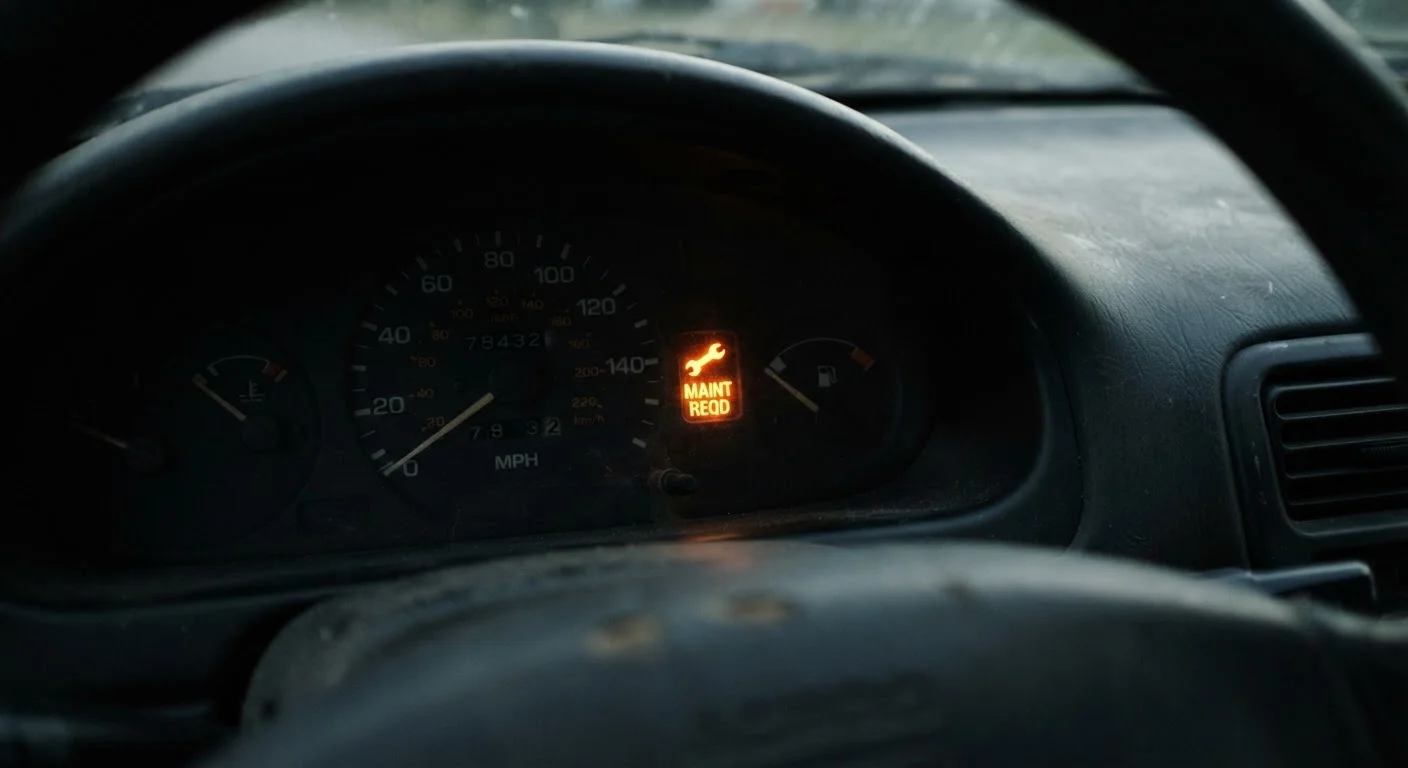
Photo: FaqsBay.com | Trending Blogs, Top Genres editorial
Key Takeaways
- Skipping scheduled maintenance can save money upfront but often leads to larger repair bills later.
- Oil changes, fluid checks, and filter replacements are among the most cost-effective services to keep current.
- Some delays carry more risk than others - not all missed intervals are equally harmful.
- Your owner's manual remains the most reliable guide for service timing specific to your vehicle.
- Extended neglect can void powertrain warranties and reduce resale value significantly.
Immediate cash savings on service bills
Deferring routine maintenance frees up money in the short term, which can matter for budget-constrained households facing competing financial priorities.
Buys time when finances are temporarily tight
A deliberate, short delay - rather than indefinite neglect - can be a reasonable bridge when an unexpected expense has temporarily strained your budget.
Low-stakes intervals offer real flexibility
Modern full-synthetic oils and improved engine tolerances mean some services - particularly oil changes - have more built-in flexibility than older maintenance schedules suggested.
Accelerated engine and drivetrain wear
Degraded fluids and dirty filters force components to work harder, shortening the service life of parts that are costly to replace.
Small problems grow into expensive failures
A worn belt or low coolant detected at a routine service costs far less to address than the cascade of damage that follows if it fails on the road.
Potential warranty coverage loss
Many powertrain warranties require documented maintenance at specified intervals; skipping service and losing records can give a manufacturer grounds to deny a claim.
Reduced resale and trade-in value
Gaps in service history signal risk to buyers and dealers, often resulting in lower offers or longer time on the market when you eventually sell.
Safety-critical systems may degrade undetected
Brake fluid, tire pressure, and steering components are checked during routine service - skipping that touchpoint means problems can go unnoticed until they affect vehicle control.
Why Drivers Skip Maintenance - And When It Feels Justified
Cost, time, and a sense that nothing feels wrong yet are the most common reasons drivers delay scheduled service. For many households, an unexpected $80 oil change or $150 tire rotation genuinely competes with other pressing expenses. That financial pressure is real and worth acknowledging.
Not every delay is equally risky. Pushing an oil change a few hundred miles past the recommended interval on a newer vehicle using full-synthetic oil is a different matter than ignoring a transmission fluid flush or a timing belt replacement. Understanding which services carry higher stakes - and which have more flexibility - is the most practical starting point.
For a deeper look at how manufacturer intervals are determined, your owner's manual is the most reliable guide for knowing exactly what your specific vehicle needs and when.
Immediate cash savings on service bills
Deferring routine maintenance frees up money in the short term, which can matter for budget-constrained households facing competing financial priorities.
Buys time when finances are temporarily tight
A deliberate, short delay - rather than indefinite neglect - can be a reasonable bridge when an unexpected expense has temporarily strained your budget.
Low-stakes intervals offer real flexibility
Modern full-synthetic oils and improved engine tolerances mean some services - particularly oil changes - have more built-in flexibility than older maintenance schedules suggested.
The Real Costs of Deferred Service
The financial argument for skipping maintenance often focuses on what you save today. But deferred service creates compounding costs that rarely show up on a single invoice.
Engine oil degrades over time, losing its ability to lubricate metal components. Running an engine on old, oxidized oil accelerates wear on pistons, bearings, and camshafts - components that are expensive to repair and often not worth fixing on older vehicles. A neglected $50 oil change can contribute to an engine replacement costing several thousand dollars, though no single skipped service typically causes catastrophic failure on its own.
Transmission fluid is another high-stakes fluid. Unlike engine oil, it isn't something most drivers think about regularly - yet degraded transmission fluid is a leading contributor to premature transmission failure, one of the most expensive repairs a car can need. Similarly, coolant that hasn't been replaced on schedule can corrode internal passages and damage the water pump, leading to overheating.
Accelerated engine and drivetrain wear
Degraded fluids and dirty filters force components to work harder, shortening the service life of parts that are costly to replace.
Small problems grow into expensive failures
A worn belt or low coolant detected at a routine service costs far less to address than the cascade of damage that follows if it fails on the road.
Potential warranty coverage loss
Many powertrain warranties require documented maintenance at specified intervals; skipping service and losing records can give a manufacturer grounds to deny a claim.
Reduced resale and trade-in value
Gaps in service history signal risk to buyers and dealers, often resulting in lower offers or longer time on the market when you eventually sell.
Safety-critical systems may degrade undetected
Brake fluid, tire pressure, and steering components are checked during routine service - skipping that touchpoint means problems can go unnoticed until they affect vehicle control.
Resale value is also affected. Buyers and dealers increasingly request maintenance records, and gaps in service history can reduce a vehicle's appraised value or make it harder to sell privately. For drivers planning to keep a car long-term, maintaining a high-mileage vehicle reliably requires consistent service more than almost any other factor.
When Skipping a Service Is a Calculated Risk vs. a Costly Mistake
Not all missed maintenance carries the same weight. Here's a practical way to assess the risk level of a given delay:
- Low-risk delays: Pushing a cabin air filter replacement a few months past schedule, or slightly extending a wiper blade change, carries minimal mechanical consequence.
- Moderate-risk delays: Waiting several thousand miles beyond an oil change interval, especially with conventional oil or in high-stress driving conditions (short trips, extreme temperatures, towing), adds measurable wear over time.
- High-risk delays: Skipping timing belt replacement, brake fluid changes, or transmission service at or near the manufacturer's specified mileage can lead to sudden, severe failures - some of which are safety-critical.
Several overlooked maintenance tasks do their damage slowly and silently, making it easy to rationalize skipping them - until the failure arrives unexpectedly.
Warranty Documentation Matters
If you're uncertain which services are genuinely DIY-friendly and which require a certified mechanic, this breakdown of DIY vs. shop decisions can help you allocate your time and money more effectively.
The content provided on our blog site traverses numerous categories, offering readers valuable and practical information. Readers can use the editorial team’s research and data to gain more insights into their topics of interest. However, they are requested not to treat the articles as conclusive. The website team cannot be held responsible for differences in data or inaccuracies found across other platforms. Please also note that the site might also miss out on various schemes and offers available that the readers may find more beneficial than the ones we cover.