
Car Maintenance

Keeping a High-Mileage Car Reliable

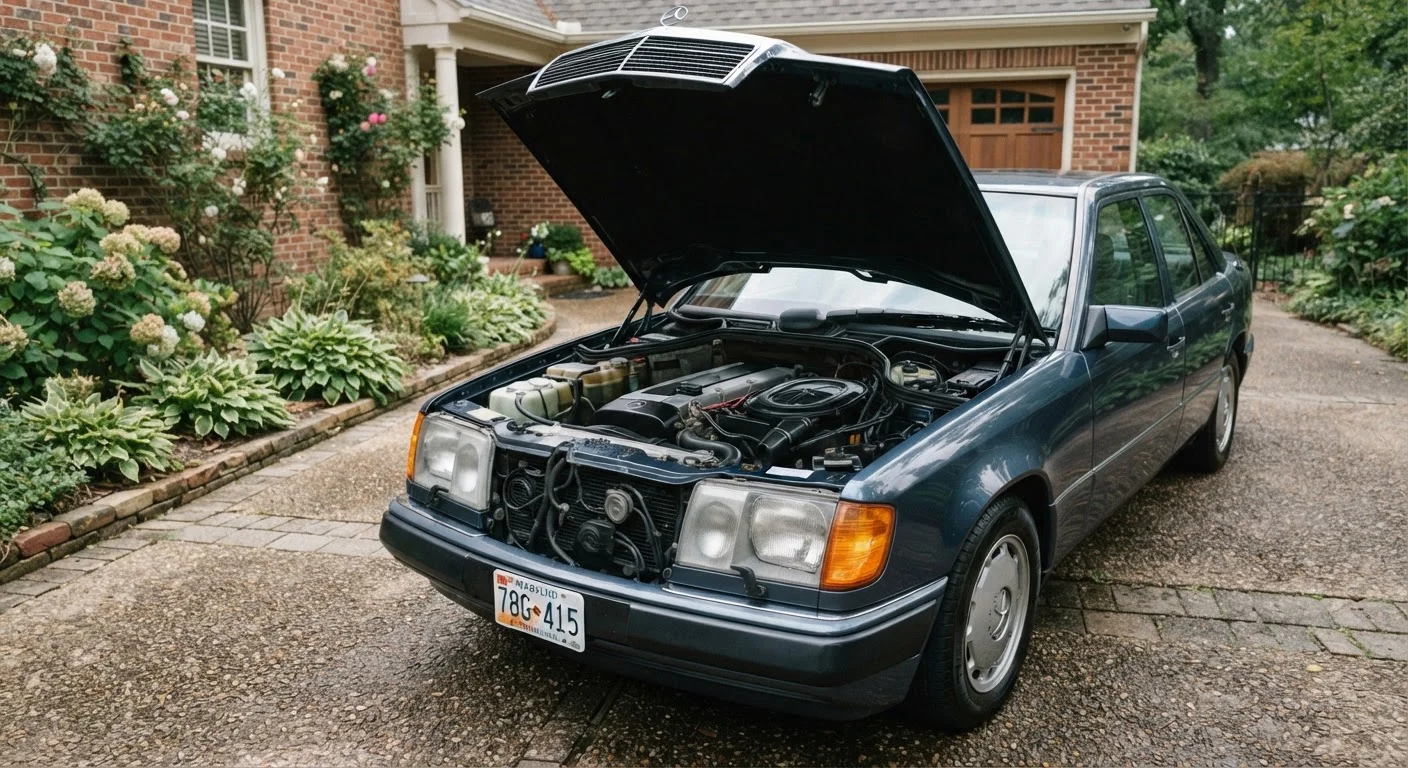
Keeping a High-Mileage Car Reliable

Photo: FaqsBay.com | Trending Blogs, Top Genres editorial

Vehicles with 100,000+ miles need a different level of attention. These strategies help you extend reliability without overreacting.

Key Takeaways

  • Vehicles past 100,000 miles need more frequent fluid checks and seal inspections, not necessarily major overhauls.
  • Switching to high-mileage formulated oil and monitoring for leaks can meaningfully extend engine life.
  • Staying disciplined with your owner's manual schedule remains the single most reliable maintenance strategy.
  • Catching small problems early — before warning lights appear — is far cheaper than reactive repairs.
  • Not every noise or leak signals an imminent breakdown; context and professional assessment matter.

What Changes After 100,000 Miles

Crossing six figures on the odometer doesn't mean your car is on borrowed time — but it does mean the rules of the game shift slightly. Rubber seals and gaskets become more prone to minor seepage, older engines may consume a small amount of oil between changes, and wear on components like spark plugs, belts, and suspension parts begins to accumulate in ways that matter more than they did at 50,000 miles.

The good news: most of these changes are gradual and manageable. The key is moving from a reactive mindset — fixing things when they break — to a preventive one. If you've been largely following the manufacturer's maintenance schedule, your car is likely in better shape than you think. If maintenance has been inconsistent, now is a practical time to catch up methodically rather than all at once.

Core Practices for High-Mileage Reliability

The following practices are specifically relevant for vehicles that have accumulated significant mileage. They build on a solid maintenance foundation — not replace it.

1

Switch to a high-mileage engine oil formulation

High-mileage oils contain additives — such as seal conditioners and extra detergents — designed to address the specific needs of older engines. They can help reduce minor oil seepage from aging seals and better handle the slightly looser tolerances that develop with wear. This doesn't fix significant leaks, but it can slow minor ones and keep the engine cleaner.
Example: A driver with a 130,000-mile vehicle notices a faint oil smell after parking. Switching to a high-mileage 5W-30 formulation at the next oil change reduces the minor seepage without requiring any immediate repairs.
2

Check fluid levels monthly, not just at service intervals

Older engines, transmissions, and cooling systems are more prone to gradual fluid loss. Waiting until a scheduled service to discover low coolant or transmission fluid can result in heat damage that's expensive to reverse. A monthly five-minute check under the hood catches problems while they're still cheap.
Example: A monthly check reveals the coolant reservoir is consistently dropping between services — a sign of a small leak that a mechanic can diagnose and seal before it causes overheating.
3

Inspect and replace rubber components on a proactive schedule

Belts, hoses, and gaskets degrade over time regardless of mileage — heat, age, and oil exposure all take a toll. On high-mileage vehicles, these parts are statistically more likely to fail, and their failure can cause secondary damage (a blown radiator hose can cause engine overheating in minutes). Replacing them before they fail is almost always cheaper than the downstream repair.
Example: During a routine inspection at 115,000 miles, a mechanic notes the serpentine belt shows visible cracking. Replacing it proactively for roughly $80–$150 avoids a potential roadside failure and possible power-steering or alternator damage.
4

Address warning lights and unusual sounds promptly — don't dismiss them

On newer cars, a check-engine light might sit ignored for months without consequence. On a high-mileage vehicle, the margin for error is smaller. What starts as a minor sensor issue or a slight knock can develop into a significant repair if deferred. Early diagnosis is generally far less expensive than delayed repair.
Example: A faint knocking sound at startup — often caused by oil pressure momentarily dropping — prompts an oil level check and a mechanic visit. The fix is a minor valve adjustment rather than an engine rebuild.
5

Keep up with cooling system maintenance

The cooling system — coolant, thermostat, water pump, and radiator — works harder as engine components age. Coolant degrades over time and loses its ability to prevent corrosion and regulate freezing/boiling points. Flushing and replacing it per the manufacturer's schedule (often every 50,000–100,000 miles, depending on type) protects components that are expensive to replace.
Example: A 2012 vehicle approaching 110,000 miles gets its first coolant flush in five years. The old fluid tests acidic — a sign it had lost its protective properties and was beginning to corrode the radiator from the inside.

Start Here: Quick Actions You Can Take This Week

You don't have to overhaul your entire maintenance approach overnight. A handful of focused actions can meaningfully reduce your risk of an unexpected breakdown right now.

high Check your engine oil level and condition today — pull the dipstick, wipe it clean, reinsert, and look for both level and color. Dark brown or black oil that's due for a change is a simple fix.
high Look under your parked car for any fluid spots on the ground. Note the color: clear is likely water from the AC, brown or black suggests oil, green or orange often indicates coolant.
medium Pull out your owner's manual and find the maintenance schedule. Identify any service intervals you're overdue on — prioritize anything related to fluids, belts, or spark plugs.
medium Inspect your tires for uneven wear, low tread, or visible cracking on the sidewalls. Uneven wear on a high-mileage car often signals a needed alignment or worn suspension components.

For a broader look at which maintenance jobs drivers most commonly skip, see our guide on neglected maintenance tasks that quietly shorten a car's life.

Knowing When to Repair vs. Move On

High-mileage maintenance isn't just a technical challenge — it's also a financial one. At some point, the cost of keeping a car reliable may approach or exceed its market value. That doesn't automatically make repairs the wrong call. If the car is paid off and a repair costs less than a few months of car payments, fixing it often still makes economic sense.

The calculation changes when repairs are recurring, major systems (transmission, engine) are failing simultaneously, or when safety is genuinely compromised. If you're weighing that decision, the buying and selling hub has practical guidance on evaluating trade-in and replacement options without pressure.

Not Every Issue Requires Immediate Action

High-mileage vehicles often develop minor quirks — a slight oil seep around a valve cover gasket, for example — that a mechanic may reasonably recommend monitoring rather than immediately repairing. Not every imperfection is an emergency. Getting a second opinion and understanding the severity of an issue before committing to a repair is always a reasonable approach.

It's also worth revisiting common assumptions about what high-mileage cars need. Some widely repeated advice — like changing your oil more frequently than the manufacturer specifies — isn't always supported by evidence. Our article on car maintenance myths that cost drivers money separates fact from fiction on several of these points.

Automotive Editorial Team

FaqsBay.com | Trending Blogs, Top Genres

Automotive Editorial Team is the collective byline for our editorial team and contributor network. Articles published under this byline or an editorial pen name are researched, written, and reviewed according to our editorial standards for clarity, consistency, and independence before publication.

Car MaintenanceBuying & SellingCar Insurance
View author profile

The content provided on our blog site traverses numerous categories, offering readers valuable and practical information. Readers can use the editorial team’s research and data to gain more insights into their topics of interest. However, they are requested not to treat the articles as conclusive. The website team cannot be held responsible for differences in data or inaccuracies found across other platforms. Please also note that the site might also miss out on various schemes and offers available that the readers may find more beneficial than the ones we cover.