
Everything Under the Hood: A First-Timer's Guide to Car Maintenance

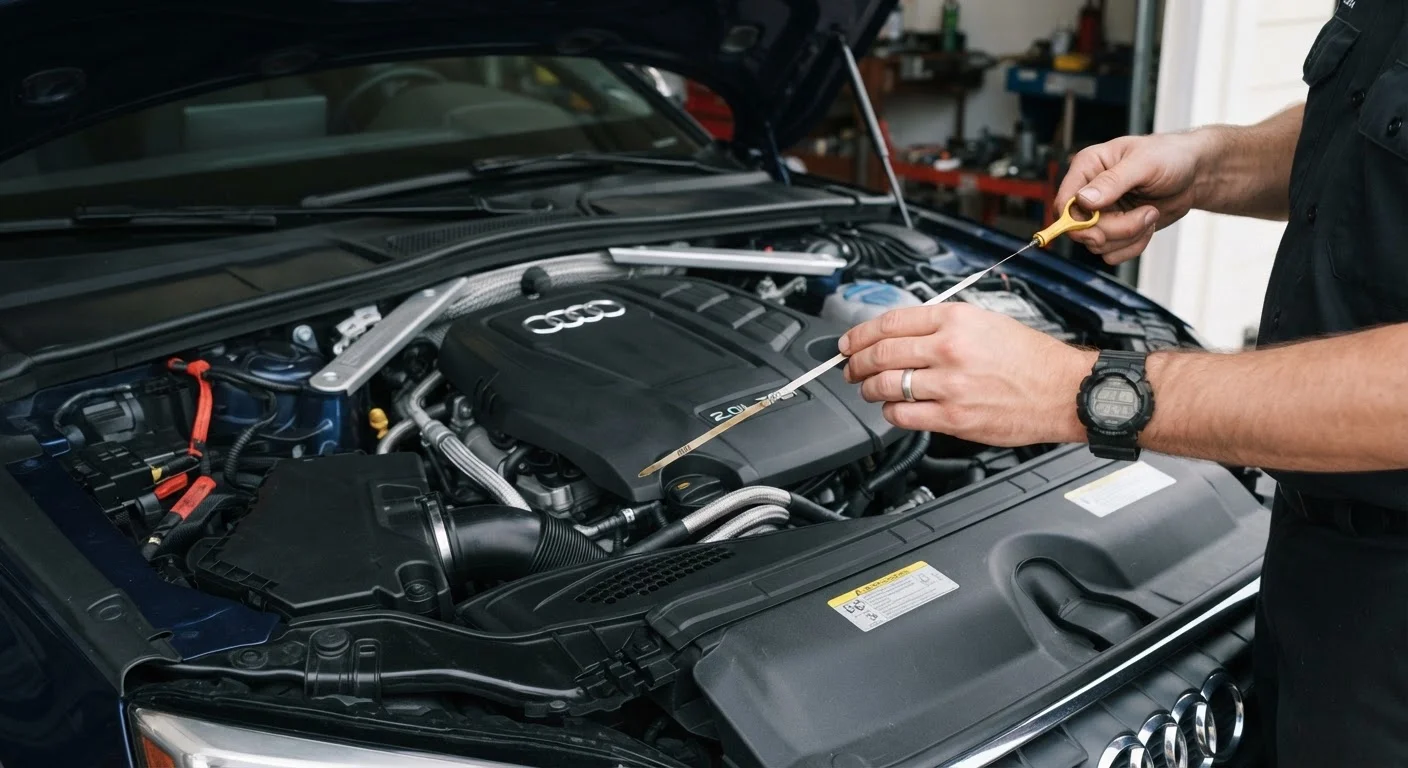
Photo: FaqsBay.com | Trending Blogs, Top Genres editorial
Key Takeaways
- Your owner's manual is the single most reliable maintenance guide for your specific vehicle.
- Monitoring five key fluids - oil, coolant, brake fluid, transmission fluid, and washer fluid - prevents most common breakdowns.
- Tire pressure, brake pad condition, and air filter health are simple checks that meaningfully extend your car's life.
- Many basic checks require no tools and take under ten minutes; some repairs genuinely need a qualified mechanic.
- Consistent, scheduled maintenance costs far less over time than emergency repairs caused by neglect.
Why Maintenance Matters More Than You Think
A car is one of the largest recurring expenses in most American households, yet routine maintenance is the area where owners most commonly cut corners - often until something expensive breaks. Consistent upkeep doesn't just prevent breakdowns; it protects the resale value of your vehicle, keeps it safer to drive, and can reduce fuel costs over time.
First-time owners sometimes assume that if a car starts and drives, it must be fine. In reality, many serious mechanical problems develop gradually and silently. Learning to recognize the early warning signs - and understanding which checks you can perform yourself - puts you in control rather than at the mercy of a repair bill.
For a season-by-season view of what to monitor throughout the year, see the Seasonal Car Maintenance Checklist.
Your First Stop: The Owner's Manual
Before consulting any website or well-meaning friend, open the glove compartment and read your owner's manual. It is the only maintenance document written specifically for your vehicle's engine, transmission, and operating conditions. It tells you exactly which fluids to use, when to replace them, and what warning lights mean on your particular model.
Many drivers never open it. That's a costly mistake. Generic advice - like "change your oil every 3,000 miles" - may not apply to your car at all. The manual gives you manufacturer-specified intervals based on real engineering decisions, not marketing habits.
Dipstick
A long metal rod inserted into the engine or transmission that lets you check fluid levels by reading the markings on the stick after withdrawing it.
Coolant (Antifreeze)
A liquid that circulates through the engine to regulate its temperature, preventing overheating in summer and freezing in winter.
Brake pad
A friction material that presses against the brake rotor when you apply the brakes, slowing the vehicle. It wears down with use and must be replaced periodically.
Tread depth
The measurement of how much rubber remains in the grooves of a tire. Shallower tread reduces grip, especially in wet conditions.
Synthetic oil
A manufactured engine oil designed to withstand higher temperatures and last longer between changes compared to conventional petroleum-based oil.
OBD-II port
A standardized diagnostic socket found in most vehicles built after 1996. Mechanics - and some consumer tools - plug into it to read error codes when a warning light appears.
Learn how to get the most out of this resource in our guide to following your owner's manual maintenance schedule.
The Core Fluids Every Driver Should Know
Five fluids keep your car running safely. Checking them takes about ten minutes and requires nothing more than a clean rag and the ability to read a dipstick or a reservoir marking.
- Engine oil - lubricates moving parts and prevents overheating from friction. Check it monthly with the dipstick when the engine is cold.
- Coolant (antifreeze) - regulates engine temperature. Check the overflow reservoir when the engine is completely cool; never open the radiator cap on a warm engine.
- Brake fluid - transfers force from your pedal to the brakes. It's hygroscopic, meaning it absorbs moisture over time and should be replaced per the manual's schedule.
- Transmission fluid - keeps the gearbox operating smoothly. Some vehicles have a dipstick; others are sealed and require a shop visit to check.
- Windshield washer fluid - the one fluid you can safely top off yourself without any risk.
Low or dirty fluid is often the first sign of a deeper problem. If you're regularly topping off the same fluid, have a mechanic investigate for leaks rather than simply refilling it.
Keep a Simple Maintenance Log
Tires, Brakes, and Filters: The Big Three
Beyond fluids, three systems deserve regular attention from every driver.
Tires
Properly inflated tires improve fuel efficiency, handling, and safety. Check tire pressure monthly using an inexpensive gauge - the correct pressure is listed on a sticker inside your driver's door jamb, not on the tire sidewall. Inspect tread depth by inserting a quarter into a tread groove: if you can see above Washington's head, the tires are likely due for replacement. Rotate tires roughly every 5,000 to 7,500 miles to promote even wear.
Brakes
Brake pads wear down gradually. Listen for high-pitched squealing when you brake - that's a built-in wear indicator telling you the pads are getting thin. Grinding sounds suggest metal-on-metal contact, which means the pads are gone and rotor damage may already be occurring. Brake work should be performed by a qualified mechanic.
Air Filters
Your engine air filter (keeps debris out of the engine) and cabin air filter (cleans air inside the car) are often overlooked. A clogged engine air filter can reduce fuel economy; a dirty cabin filter reduces HVAC effectiveness. Many vehicles allow straightforward filter replacements - check your manual. For a fuller list of commonly skipped jobs, see maintenance tasks that quietly shorten a car's life.
When to DIY and When to Call a Mechanic
Some tasks are genuinely accessible to beginners: checking fluid levels, replacing wiper blades, swapping cabin air filters, and monitoring tire pressure. These involve no specialized tools and carry minimal risk if done carefully.
Others - brake replacement, suspension work, timing belt replacement, anything involving electrical systems or fuel lines - should go to a certified mechanic. Mistakes on these systems can create safety hazards or cause expensive secondary damage. When in doubt, getting a professional opinion before you start is always worthwhile.
Our in-depth guide to DIY car maintenance vs. taking it to a shop walks through specific jobs and how to assess your comfort level honestly.
Don't Let Warning Lights Linger
Building a Simple Maintenance Routine
Consistency matters more than perfection. A straightforward routine built around three timeframes covers most of what your car needs:
- Monthly: Check tire pressure and engine oil level. Do a quick visual walk-around to spot fluid spots under the car or any unusual wear on tires.
- Every 6 months or per manual: Check all five fluids, inspect wiper blades, and verify brake behavior hasn't changed.
- Annually or per manual: Replace engine and cabin air filters if due, have brakes inspected, rotate tires, and review your owner's manual for any upcoming scheduled services (spark plugs, timing belt, coolant flush, etc.).
Setting phone reminders tied to your mileage or calendar takes the guesswork out of remembering. Many shops also offer service reminders if you keep your contact details updated with them.
Staying curious about your car - noticing unusual smells, sounds, or changes in handling - is itself a maintenance habit. The sooner you identify a change, the less likely it is to become a serious problem. For a deeper dive into common misconceptions that lead drivers astray, see car maintenance myths that cost drivers money.
Frequently Asked Questions
The content provided on our blog site traverses numerous categories, offering readers valuable and practical information. Readers can use the editorial team’s research and data to gain more insights into their topics of interest. However, they are requested not to treat the articles as conclusive. The website team cannot be held responsible for differences in data or inaccuracies found across other platforms. Please also note that the site might also miss out on various schemes and offers available that the readers may find more beneficial than the ones we cover.