
Car Maintenance

The Seasonal Car Maintenance Checklist Every Driver Needs

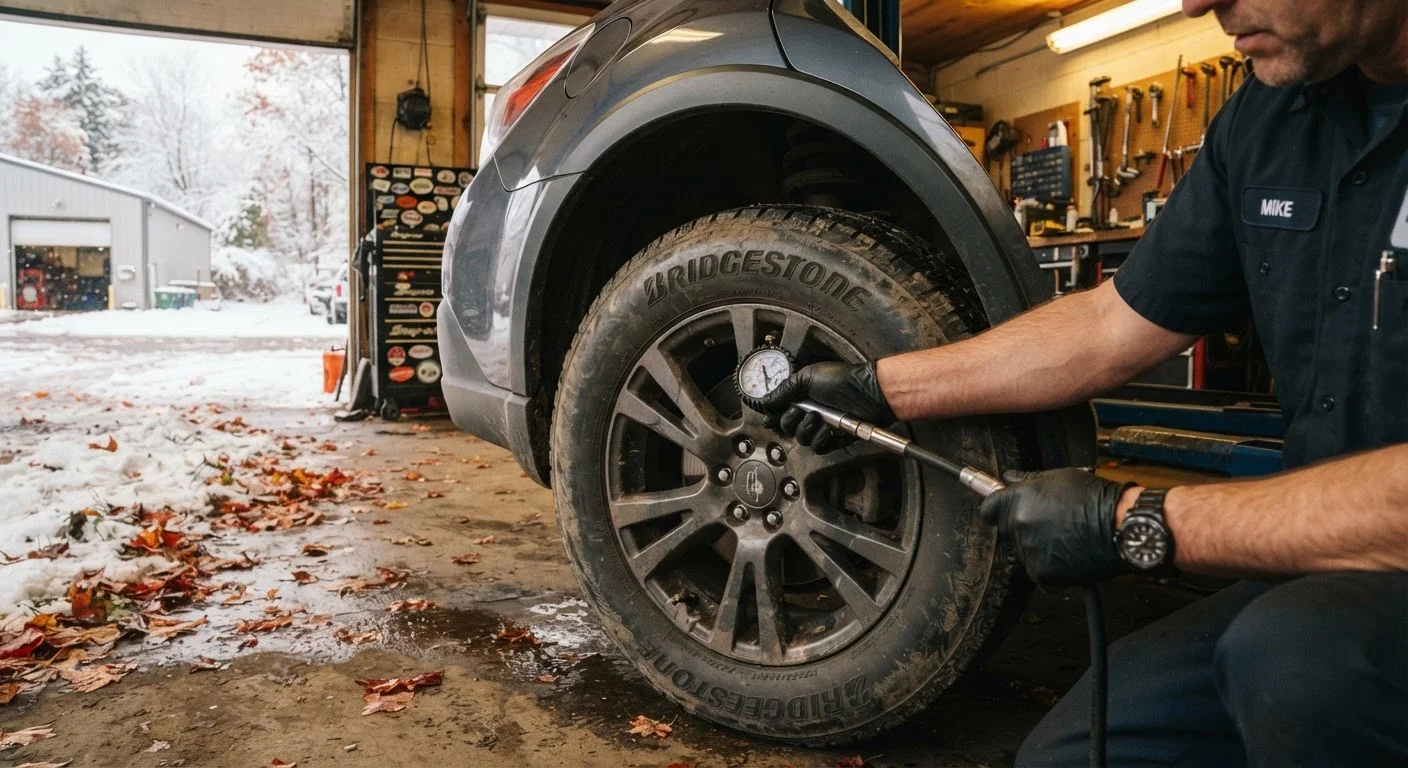
The Seasonal Car Maintenance Checklist Every Driver Needs

Photo: FaqsBay.com | Trending Blogs, Top Genres editorial

A season-by-season checklist covering fluids, tires, brakes, and more to keep your vehicle road-ready year-round.

Key Takeaways

  • Seasonal inspections catch problems early, before they become expensive repairs.
  • Tires, fluids, and brakes are the highest-priority items to check every season.
  • Many checks take only minutes and require no special tools.
  • Your owner's manual sets the authoritative maintenance schedule for your specific vehicle.
  • Some tasks — especially brake and electrical work — are best left to a qualified mechanic.

Why Seasonal Maintenance Matters

Temperature swings, road salt, summer heat, and winter cold each stress your vehicle in distinct ways. A car that coasted through summer without issues can develop real problems the moment temperatures drop below freezing — and the reverse is equally true. Proactive, season-by-season checks let you catch small issues before they become costly repairs or roadside emergencies.

This checklist is organized by season and grouped by task type so you can work through it efficiently. Use it alongside — not instead of — your owner's manual maintenance schedule, which carries the most authoritative guidance for your specific make and model.

If you're new to hands-on car care, our first-timer's guide to car maintenance is a helpful starting point before diving in.

Know When to Call a Mechanic

Many items on this checklist — visual inspections, fluid top-offs, tire pressure checks — are safe for most drivers to do at home. However, brake inspections, electrical diagnosis, and any work involving fuel or suspension components should be handled by a qualified mechanic. Never attempt repairs beyond your skill level; improper work can create safety hazards far worse than the original problem.

What You'll Need

Most checks on this list require only basic supplies and a few minutes. Keep these items in your garage or trunk so you're always prepared to do a quick inspection.

Required

Tire pressure gauge

Accurately measures tire PSI so you can inflate or deflate to the manufacturer's specification.

Optional

Portable air compressor or pump

Allows you to inflate tires at home without a trip to a gas station.

Required

Flashlight or work light

Illuminates the engine bay and undercarriage so you can inspect components clearly.

Required

Fluid top-off supplies

Engine oil, coolant, washer fluid, and brake fluid for topping off reservoirs during inspections.

Optional

Tread depth gauge

Measures remaining tire tread depth so you know when tires are approaching the replacement threshold.

Required

Owner's manual

The authoritative reference for fluid specifications, maintenance intervals, and component locations specific to your vehicle.

The Seasonal Checklist

Work through each group at the start of the relevant season. Items marked must are non-negotiable for safety and reliability. Items marked should are strongly recommended. Nice-to-have items add comfort and extend vehicle life but are lower urgency.

For a deeper look at what each fluid does and where to check it, see our guide to fluid checks every car owner should do regularly. And don't overlook the smaller components covered in our article on wiper blades, cabin filters, and the small parts that matter.

Spring (After Winter)

Inspect tires for winter damage — look for cracks, bulges, or uneven tread wear caused by cold and road salt. Must
Check tire pressure and inflate to the vehicle manufacturer's recommended PSI (found on the door jamb sticker), since pressure drops in cold weather. Must
Wash the undercarriage thoroughly to remove road salt, which accelerates rust on brake lines and the vehicle frame. Must
Inspect brake pads and rotors for wear — winter braking conditions can accelerate deterioration. Must
Test all exterior lights, including brake lights and turn signals, and replace any burned-out bulbs. Should
Replace wiper blades if winter use has left them streaking or chattering across the windshield. Should
Check and top off all fluids: engine oil, coolant, brake fluid, power steering fluid, and windshield washer fluid. Must

Summer (Heat Preparation)

Check coolant (antifreeze) level and condition — overheating is the leading cause of summer breakdowns. Must
Inspect the serpentine belt for cracks or fraying; heat accelerates belt degradation. Should
Test the air conditioning system to confirm it blows cold air; have a mechanic recharge refrigerant if needed. Should
Check tire pressure weekly during heat waves — tires can over-inflate in extreme heat, increasing blowout risk. Must
Replace or clean the cabin air filter to maintain airflow through the AC system. Nice to have
Inspect battery terminals for corrosion; summer heat degrades batteries faster than cold weather. Should

Fall (Winter Preparation)

Have the battery tested by a mechanic or auto parts store — a weak battery that starts fine in fall may fail in freezing temperatures. Must
Check antifreeze concentration to ensure it can handle your region's winter lows without freezing. Must
Inspect tire tread depth and consider switching to winter tires if you live in a region with regular snow or ice. Must
Replace wiper blades with winter-rated blades designed to handle ice and snow buildup. Should
Check all four-wheel-drive or all-wheel-drive system operation if your vehicle is equipped with one. Should
Assemble or restock your winter emergency kit: ice scraper, jumper cables, blanket, and a small bag of sand or kitty litter for traction. Nice to have

Winter (Cold-Weather Monitoring)

Check tire pressure every two to three weeks — tire pressure drops roughly 1 PSI for every 10°F drop in temperature. Must
Keep your fuel tank at least half full to prevent fuel line freeze and add weight over the drive wheels. Should
Use winter-grade windshield washer fluid rated for sub-freezing temperatures to prevent fluid from icing on the glass. Must
Inspect brake performance regularly — reduced stopping power on icy roads makes any pre-existing brake wear more dangerous. Must
Warm up the vehicle for one to two minutes before driving in very cold weather to allow oil to circulate before engine load. Nice to have
Check all lights more frequently, since shorter daylight hours mean more nighttime driving and higher visibility stakes. Should

Your Owner's Manual Overrides General Advice

Every vehicle has different service intervals, fluid specifications, and component locations. The maintenance schedule in your owner's manual — not generic online guidance — is the most accurate resource for your specific car. When in doubt about an interval or specification, consult your manual or a qualified mechanic rather than relying on rules of thumb.

Don't Skip the Easy Wins

Several items on this checklist — checking tire pressure, topping off washer fluid, testing lights — take under five minutes and cost almost nothing. Yet these are consistently among the items drivers skip most often. Our look at neglected maintenance tasks that quietly shorten a car's life shows how deferred small jobs compound into larger mechanical problems over time.

Make it a habit to run through the highest-priority items every time the season changes. Schedule the rest — oil changes, tire rotations, brake inspections — with a trusted mechanic so nothing falls through the cracks.

This article is for general informational purposes only. Always consult a qualified mechanic for diagnosis, repairs, or any maintenance task you are not confident performing safely.

Automotive Editorial Team

FaqsBay.com | Trending Blogs, Top Genres

Automotive Editorial Team is the collective byline for our editorial team and contributor network. Articles published under this byline or an editorial pen name are researched, written, and reviewed according to our editorial standards for clarity, consistency, and independence before publication.

Car MaintenanceBuying & SellingCar Insurance
View author profile

The content provided on our blog site traverses numerous categories, offering readers valuable and practical information. Readers can use the editorial team’s research and data to gain more insights into their topics of interest. However, they are requested not to treat the articles as conclusive. The website team cannot be held responsible for differences in data or inaccuracies found across other platforms. Please also note that the site might also miss out on various schemes and offers available that the readers may find more beneficial than the ones we cover.