
Wiper Blades, Cabin Filters, and the Small Parts That Matter

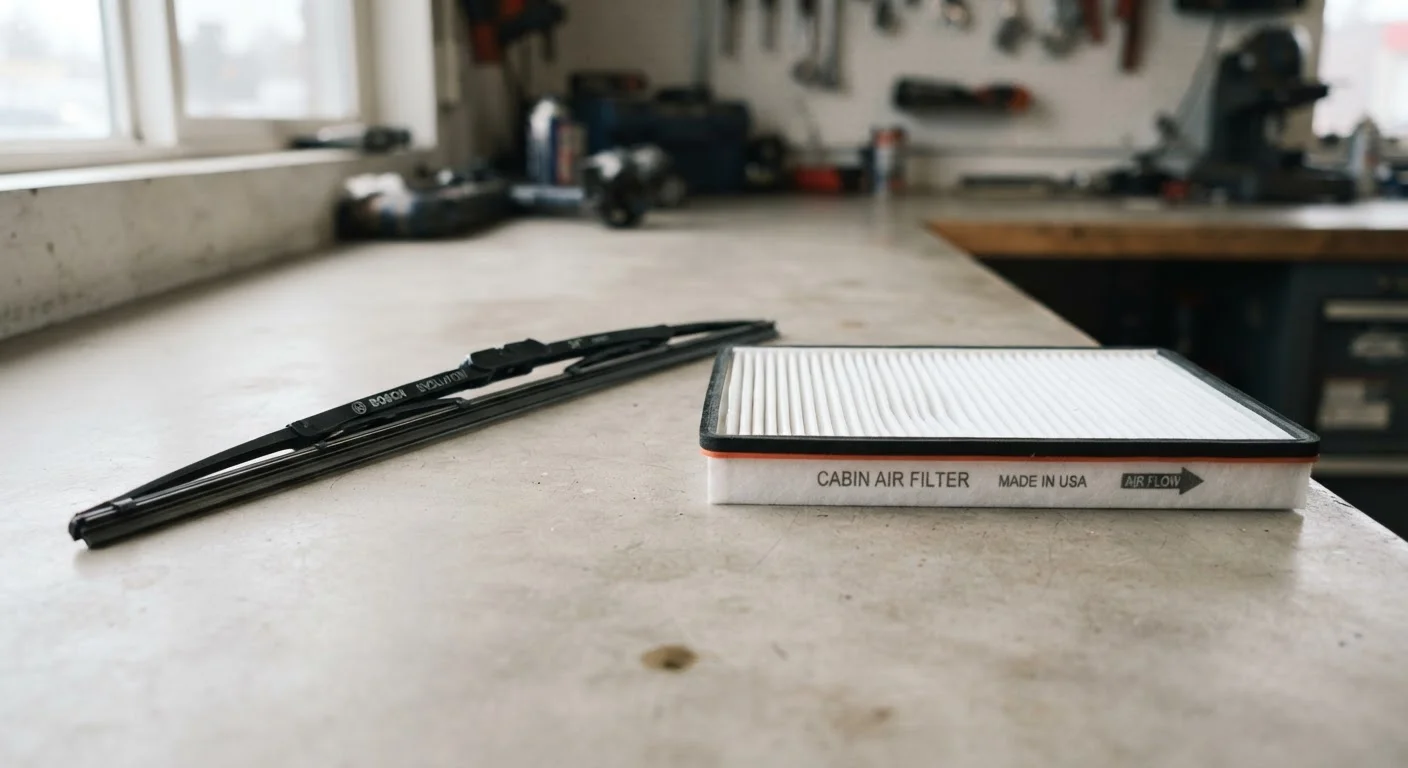
Photo: FaqsBay.com | Trending Blogs, Top Genres editorial
Key Takeaways
- Worn wiper blades reduce visibility in rain and can compromise driver safety significantly.
- Cabin air filters affect both interior air quality and the effectiveness of your HVAC system.
- Most of these small parts can be checked on a regular schedule to avoid unexpected failures.
- Many minor components are inexpensive to replace but costly to ignore over time.
- Consulting your owner's manual is the most reliable guide for replacement intervals.
Why Small Parts Deserve Serious Attention
When drivers think about car maintenance, oil changes, tire rotations, and brake inspections tend to dominate the conversation. But a category of smaller, less glamorous components quietly shapes the quality and safety of every drive. Wiper blades that can't clear a rain-soaked windshield, a clogged cabin filter that turns your defroster sluggish, or a dead turn signal that other drivers can't see - these aren't trivial inconveniences. They're genuine risks that compound over time when ignored.
The good news is that most of these parts are inexpensive, relatively easy to monitor, and straightforward to replace. The challenge is simply remembering to check them. For a broader look at the maintenance tasks that tend to get skipped, see our guide on essential car maintenance every driver should understand.
Build Small Checks Into Seasonal Routines
Six Small Components That Quietly Impact Every Drive
Wiper Blades: Your First Line of Defense in Bad Weather
Windshield wiper blades are one of the most frequently neglected parts on any vehicle, yet they directly affect how well you can see during rain, sleet, or snow. Most manufacturers recommend replacing wiper blades every six to twelve months, though driving habits and climate can shorten that window. Signs of wear include streaking, skipping across the glass, or squeaking on a wet windshield.
The rubber compound in wiper blades degrades over time due to UV exposure and temperature swings - even if the blades appear intact. A blade that looks fine in dry conditions may smear instead of clear once rain hits. Checking your wipers at the start of each rainy or winter season takes only a minute and can prevent a dangerous situation on the road.
A blade that looks fine dry may smear dangerously once rain hits.
Cabin Air Filters: Clean Air Is Not a Luxury
The cabin air filter - typically located behind the glove box or under the dashboard - screens out dust, pollen, mold spores, and other airborne particles before they reach the passenger compartment. A clogged filter restricts airflow, which forces your HVAC (heating, ventilation, and air conditioning) system to work harder and can reduce the effectiveness of your defroster.
Most vehicles benefit from a cabin filter replacement every 15,000 to 25,000 miles, but drivers who frequently travel on dusty roads or in high-pollution areas may need more frequent changes. If you notice musty odors from the vents or reduced airflow even at high fan speeds, the cabin filter is one of the first places to check. This is among the most commonly skipped maintenance jobs that mechanics report seeing.
A clogged cabin filter forces your HVAC harder and weakens your defroster.
Engine Air Filter: Breathing Room for Performance
While the cabin filter protects occupants, the engine air filter protects the engine itself. It prevents dirt, debris, and insects from entering the intake and causing abrasion or contamination inside the engine. A severely restricted engine air filter can reduce fuel efficiency and throttle response over time.
A visual inspection is a reasonable first step - a filter caked with gray or brown debris likely needs replacement. Most passenger vehicles call for engine air filter replacement roughly every 15,000 to 30,000 miles, though your owner's manual provides the most accurate interval for your specific model. This task is straightforward enough that many drivers choose to do it themselves, though a technician can handle it quickly during routine service.
A restricted engine air filter can quietly reduce both fuel efficiency and throttle response.
Windshield Washer Fluid: More Than Just Water
Windshield washer fluid is easy to top off and easy to forget about until you need it most - typically when a passing truck coats your windshield with road grime. Using plain water in the reservoir is tempting but problematic: it can freeze in cold weather, does not cut through oily film as effectively, and can leave mineral deposits on your windshield over time.
Purpose-formulated washer fluid contains antifreeze agents and surfactants (cleaning compounds) sized for automotive glass. In winter climates, choosing a fluid rated for low temperatures is particularly important to prevent the reservoir and lines from freezing. Keeping the reservoir consistently full costs almost nothing and ensures you always have clear visibility on demand.
Plain water in the reservoir can freeze solid and leave mineral deposits on your glass.
Lights and Bulbs: Visibility Works Both Ways
Headlights, taillights, and turn signals serve a dual purpose: they help you see the road ahead and help other drivers see you. A burned-out bulb is not just a legal inconvenience - it can create genuine hazards, particularly in low-light conditions or adverse weather. Because burnt bulbs often fail gradually rather than all at once, it's easy not to notice reduced output until another driver points it out.
Walking around your vehicle once a month to confirm all exterior lights are functional takes about two minutes. Many modern vehicles use LEDs that last far longer than traditional halogen bulbs, but they still warrant periodic checks. If a warning light on your dashboard signals a bulb failure, address it promptly. Understanding what your dashboard warning lights mean can help you respond appropriately.
A two-minute monthly walk-around is enough to catch most exterior bulb failures early.
Door and Hood Seals: Keeping Weather Where It Belongs
Rubber seals around doors, the hood, and the trunk are designed to keep water, wind noise, and outside air from entering the cabin. Over years of use, heat and UV exposure cause rubber to harden, crack, or compress permanently, allowing drafts and moisture to penetrate. Water intrusion can lead to mold, musty odors, and in more serious cases, damage to interior electronics or flooring.
Periodically inspecting seals for visible cracking, deformation, or areas where they no longer make consistent contact is worthwhile, especially after several years of ownership. Applying a rubber conditioner can extend the life of pliable seals. Replacement is generally straightforward and significantly less expensive than addressing water damage caused by a failed seal.
Degraded door seals allow moisture intrusion that can silently damage interior components.
Always Check Your Owner's Manual
Putting It Together: A Simple Maintenance Mindset
None of the components covered here requires specialized tools or extensive mechanical knowledge to inspect. What they do require is consistency. Drivers who check these parts on a regular schedule - rather than waiting for a failure - spend less over time and drive with more confidence. Many of these items take only minutes to assess and can be bundled with other routine service visits.
If you own a higher-mileage vehicle, staying on top of small-part maintenance becomes even more important. Our article on keeping a high-mileage car reliable offers strategies tailored to vehicles that have already covered significant ground. The underlying principle is consistent: the small things, tended to regularly, keep the larger problems at bay.
The content provided on our blog site traverses numerous categories, offering readers valuable and practical information. Readers can use the editorial team’s research and data to gain more insights into their topics of interest. However, they are requested not to treat the articles as conclusive. The website team cannot be held responsible for differences in data or inaccuracies found across other platforms. Please also note that the site might also miss out on various schemes and offers available that the readers may find more beneficial than the ones we cover.