
Soil pH and Why Your Plants Keep Struggling

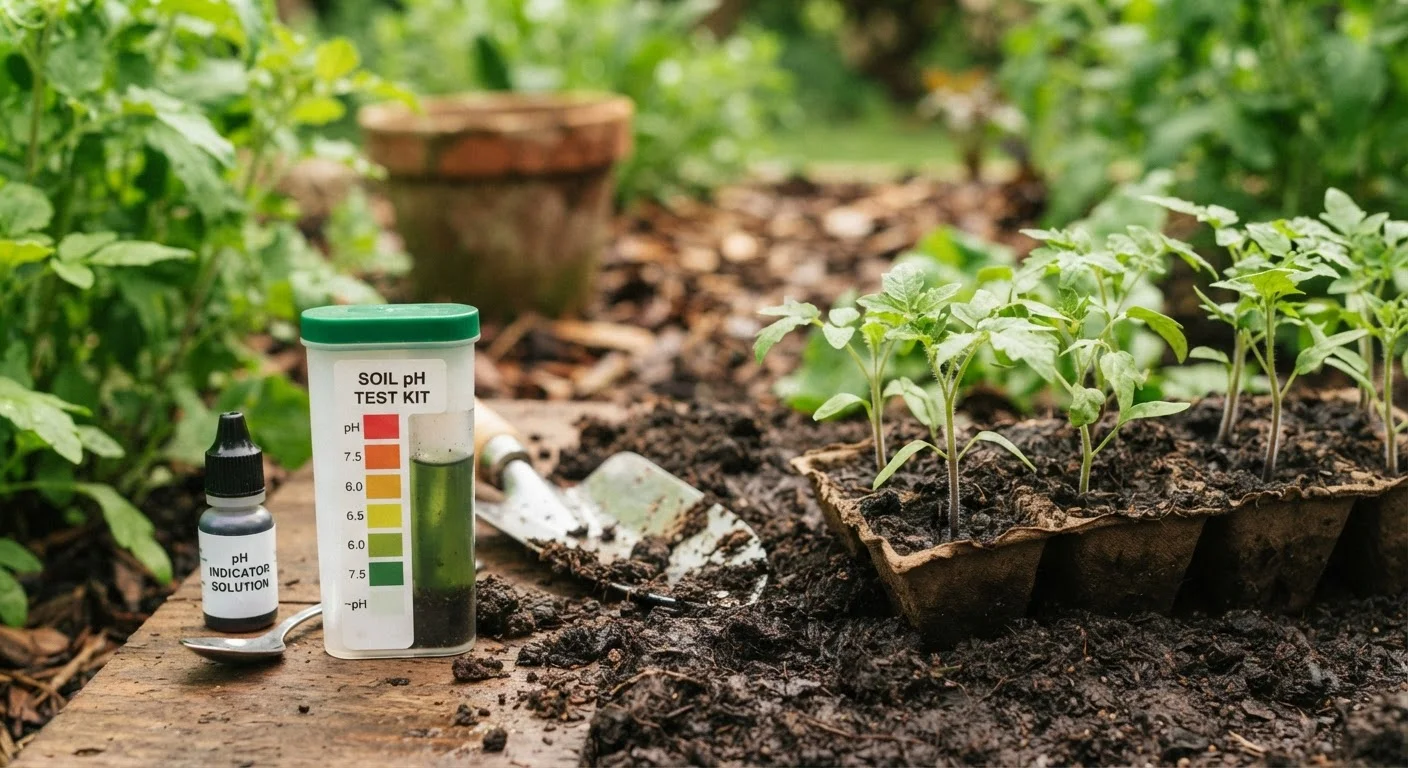
Photo: FaqsBay.com | Trending Blogs, Top Genres editorial
Key Takeaways
- Soil pH controls nutrient availability — not just what's in the soil, but what plants can actually use.
- Most vegetables and lawn grasses grow best in a slightly acidic pH range of 6.0–7.0.
- A simple soil test is the only reliable way to know your soil's actual pH.
- Lime raises soil pH; sulfur lowers it — but amendments take time and must be applied carefully.
- Even fertilizer-rich soil can starve plants if the pH is too far off for that species.
- Regular testing every two to three years helps you stay ahead of slow pH drift.
The Hidden Reason Your Plants Are Struggling
You've watered faithfully. You've added fertilizer. Yet your tomatoes look pale, your lawn has thin bare patches, and the hydrangeas you planted last spring never took off. Before you blame the weather or the seed quality, consider what's happening underground.
Soil pH is one of the most commonly overlooked variables in home gardening — and one of the most consequential. When the pH is off, even a nutrient-rich soil effectively starves your plants by locking those nutrients into chemical forms the roots cannot absorb. No amount of additional fertilizer will solve the problem until the underlying pH is addressed.
Understanding soil pH doesn't require a chemistry degree. Once you know what the scale means and how it affects your specific plants, you're equipped to diagnose problems accurately and make targeted improvements.
Soil pH Varies Across Your Yard
How pH Affects Nutrient Availability
Think of soil pH as a gatekeeper for nutrients. Essential elements like nitrogen, phosphorus, iron, and calcium are only accessible to plant roots within certain pH windows. Outside those windows, they bind to soil particles in forms plants can't use.
- Too acidic (below 6.0): Phosphorus availability drops sharply. Aluminum and manganese can reach toxic concentrations. Many beneficial soil microbes become less active.
- Too alkaline (above 7.5): Iron, manganese, zinc, and boron become scarce. Chlorosis — the yellowing of leaves — is a frequent result, even when those minerals are technically present in the soil.
This is why soil testing is the essential first step described in resources like starting a vegetable garden from scratch. You need to know your baseline before spending money on amendments or fertilizers.
It's also worth noting that fertilizer choices interact with pH. Understanding what fertilizer labels actually tell you helps you match products to your soil chemistry rather than guessing.
6.0–7.0
Optimal pH range for most vegetables and lawn grasses
This range is widely cited by university extension services and agronomists as the window where nutrient availability is broadest for common garden plants.
10×
Chemical difference per whole number on the pH scale
Each unit on the pH scale represents a tenfold change in hydrogen ion concentration, meaning a shift from 6 to 5 is far more significant than it appears.
~50%
Phosphorus availability lost below pH 5.5
Research from land-grant university extension programs shows phosphorus becomes significantly less available in strongly acidic soils, limiting plant growth even when phosphorus is physically present.
Testing Your Soil and Interpreting Results
A soil test is the only way to know where your pH stands. Options range from simple home test kits to laboratory analysis through your local cooperative extension service — a network of publicly funded agricultural resources available in every U.S. state. Extension labs typically provide not just a pH reading but actionable recommendations for your region and intended plants.
When collecting a soil sample, take small scoops from several spots across the area you're testing, mix them together, and use that composite sample. A single scoop from one corner won't represent the full picture, since pH can vary across a yard.
Once you have your results, compare them against the preferred range for what you're growing. Most lawn grasses prefer 6.0–7.0. Vegetable gardens generally thrive in the same window. Acid-loving plants like azaleas, blueberries, and rhododendrons want soil closer to 4.5–5.5.
How to Adjust Your Soil pH
If your test shows pH is off target, two primary amendments do most of the work:
- To raise pH (make soil less acidic):
- Apply agricultural lime — typically ground limestone. The amount needed depends on how much correction is required and your soil type. Clay soils need more than sandy soils to achieve the same shift. Always follow test-based recommendations rather than guessing.
- To lower pH (make soil more acidic):
- Apply elemental sulfur, which soil bacteria convert into sulfuric acid over time. This is a slower process than liming. Iron sulfate works faster but is best for smaller corrections.
A few important cautions: pH adjustment takes months, not days. Apply amendments in fall when possible so soil chemistry can stabilize before planting season. Overapplying either amendment can create new problems, so work from test results rather than guessing.
Soil health involves multiple interconnected factors. Mulching your garden beds can support microbial activity that helps buffer pH over time, while organic vs. synthetic fertilizer choices may also influence long-term soil chemistry. For a broader look at how pH fits into overall lawn health, see the complete homeowner's lawn care reference.
Test Before You Amend
Frequently Asked Questions
The content provided on our blog site traverses numerous categories, offering readers valuable and practical information. Readers can use the editorial team’s research and data to gain more insights into their topics of interest. However, they are requested not to treat the articles as conclusive. The website team cannot be held responsible for differences in data or inaccuracies found across other platforms. Please also note that the site might also miss out on various schemes and offers available that the readers may find more beneficial than the ones we cover.