
Starting a Vegetable Garden from Scratch

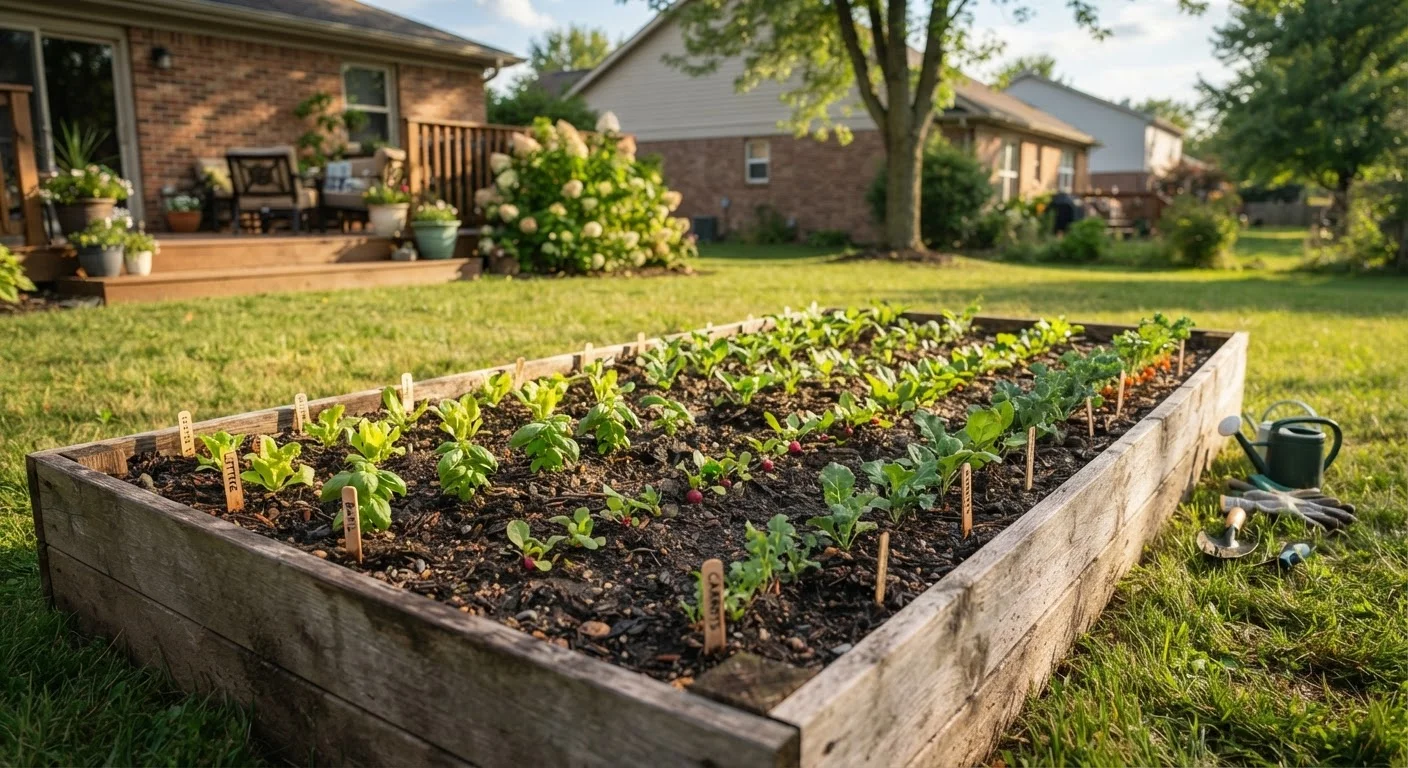
Photo: FaqsBay.com | Trending Blogs, Top Genres editorial
Key Takeaways
- Six or more hours of direct sunlight per day is the minimum threshold for most vegetable crops.
- Healthy, well-draining soil rich in organic matter is the single most important factor in a productive garden.
- Starting with a small, manageable plot prevents overwhelm and builds your confidence as a grower.
- Consistent, deep watering at soil level is far more effective than frequent shallow watering.
- Most first-year failures stem from overplanting, poor drainage, or ignoring your local frost dates.
Choosing the Right Spot
The single decision that most influences your garden's outcome is where you put it. Vegetables are sun-hungry plants — the majority need at least six hours of direct sunlight each day, and eight hours is better for fruiting crops like tomatoes, peppers, and squash. Walk your yard at midday and observe which areas stay sunny longest. Avoid spots tucked under tree canopies or against north-facing walls.
Beyond light, consider access to water. You will be watering regularly, so proximity to an outdoor spigot matters more than most beginners expect. Also look at drainage: a low-lying area that pools after rain will waterlog roots and invite disease. If your yard is mostly flat, a gentle slope or a raised bed will solve drainage problems without major landscaping work.
Finally, keep the garden visible from the house if you can. Out-of-sight plots get neglected. A bed you pass daily gets watered, weeded, and harvested on time.
Frost date
The average calendar date when temperatures in your area are expected to drop to 32°F (0°C). Last spring frost and first fall frost dates guide when to plant and harvest specific crops.
Loamy soil
A balanced mix of sand, silt, and clay particles that drains well, retains adequate moisture, and supports healthy root growth. It is generally considered the ideal texture for vegetable gardening.
pH (soil)
A measure of how acidic or alkaline your soil is, on a scale of 0 to 14. A pH of 7 is neutral; most vegetables grow best between 6.0 and 7.0.
Bolting
When a vegetable plant rapidly produces a flower stalk and seeds, usually triggered by heat or long days. Once a plant bolts, leaves often become bitter and harvest quality drops.
Organic matter
Decomposed plant and animal material — such as compost — that improves soil structure, adds nutrients, and feeds beneficial soil organisms.
Drip irrigation
A watering method that delivers water slowly and directly to the base of plants through a network of tubes or emitters, reducing evaporation and keeping foliage dry.
Preparing and Improving Your Soil
Vegetables grow in the soil, not in spite of it. Before planting a single seed, invest time in understanding and improving what you have. Loose, loamy soil rich in organic matter allows roots to penetrate easily, holds moisture without waterlogging, and hosts the microbial life that makes nutrients available to plants.
For in-ground beds, loosen the soil to a depth of 12 inches using a garden fork or tiller. Remove rocks, roots, and debris. Then work in a generous layer of compost — three to four inches mixed into the top six inches of soil is a good target. If your soil is heavy clay, adding compost over multiple seasons will progressively improve its structure. Sandy soils benefit similarly: organic matter helps them retain moisture instead of letting it drain away instantly.
A basic soil test — available through your local cooperative extension office for a modest fee — tells you the pH level and any nutrient deficiencies. Most vegetables prefer a pH between 6.0 and 7.0. Amendments like lime (to raise pH) or sulfur (to lower it) can be added based on test results. Learn how to build your own compost supply with our complementary guide: Composting at Home: Turning Kitchen Scraps into Garden Gold.
Picking Vegetables That Set You Up for Success
Resist the impulse to grow everything in your first season. A focused selection of reliable, fast-producing crops gives you early wins that build confidence and teaches you how your specific garden behaves.
Divide your choices into two broad categories based on season:
- Cool-season crops (planted in early spring or fall): lettuce, spinach, kale, radishes, peas, and broccoli. These tolerate light frost and bolt — meaning they go to seed and turn bitter — when summer heat arrives.
- Warm-season crops (planted after your last frost date): tomatoes, zucchini, cucumbers, bush beans, peppers, and basil. These need warm soil and cannot tolerate frost at any stage.
For a first garden, a practical mix might be one or two tomato plants, a short row of bush beans, a small patch of lettuce or spinach, and a zucchini plant. That combination gives you variety across the season without overextending your time or space.
Strategic plant placement also matters. Some vegetables actively support each other when grown in proximity. See our guide on companion planting to learn which pairings deter pests and make better use of limited space.
Start with transplants for warm-season crops
Watering, Feeding, and Ongoing Care
Consistent moisture is what keeps vegetables productive. The general guideline is one inch of water per week, but the actual frequency depends on your soil type, temperatures, and rainfall. Sandy soils dry out faster; clay soils hold moisture longer. A simple way to check: push your finger two inches into the soil near the base of a plant. If it feels dry at that depth, it's time to water.
Water at soil level — using a soaker hose or drip irrigation — rather than overhead. Wet foliage encourages fungal diseases like powdery mildew and blight. Watering in the morning allows any incidental leaf wetness to dry before evening. Apply two to three inches of organic mulch (straw, wood chips, or shredded leaves) around plants to slow evaporation, suppress weeds, and moderate soil temperature.
For feeding, compost incorporated at planting provides a slow, steady nutrient release throughout the season. If your plants show signs of deficiency — yellowing leaves, stunted growth — a balanced organic fertilizer applied according to package directions can help. Avoid the temptation to over-fertilize; too much nitrogen pushes leafy growth at the expense of fruit.
Common First-Year Mistakes and How to Avoid Them
Most beginner setbacks are predictable and preventable. Here are the most common pitfalls:
- Planting too much, too soon. A large, crowded garden quickly becomes unmanageable. Start small — you can expand once you know your rhythm.
- Ignoring frost dates. Planting warm-season crops too early exposes them to killing frosts. Always check your area's last spring frost date before transplanting outdoors.
- Overwatering. Soggy soil deprives roots of oxygen. If in doubt, water less frequently but more deeply.
- Skipping mulch. Without mulch, you will spend significantly more time weeding and watering.
- Not thinning seedlings. Crowded seedlings compete for light, water, and nutrients. Thin according to the spacing on your seed packet, even when it feels wasteful.
Keeping a simple garden journal — noting what you planted, when, and how it performed — makes every subsequent season easier. Gardening rewards attention and iteration more than any single technique.
If your vegetable garden shares space decisions with an existing lawn, it helps to think about both together. Our reference guide on growing and maintaining a healthy lawn covers how to manage turf alongside food-growing areas for a balanced yard.
Check local codes before building raised beds
Frequently Asked Questions
The content provided on our blog site traverses numerous categories, offering readers valuable and practical information. Readers can use the editorial team’s research and data to gain more insights into their topics of interest. However, they are requested not to treat the articles as conclusive. The website team cannot be held responsible for differences in data or inaccuracies found across other platforms. Please also note that the site might also miss out on various schemes and offers available that the readers may find more beneficial than the ones we cover.