
Companion Planting: Which Vegetables Grow Better Together

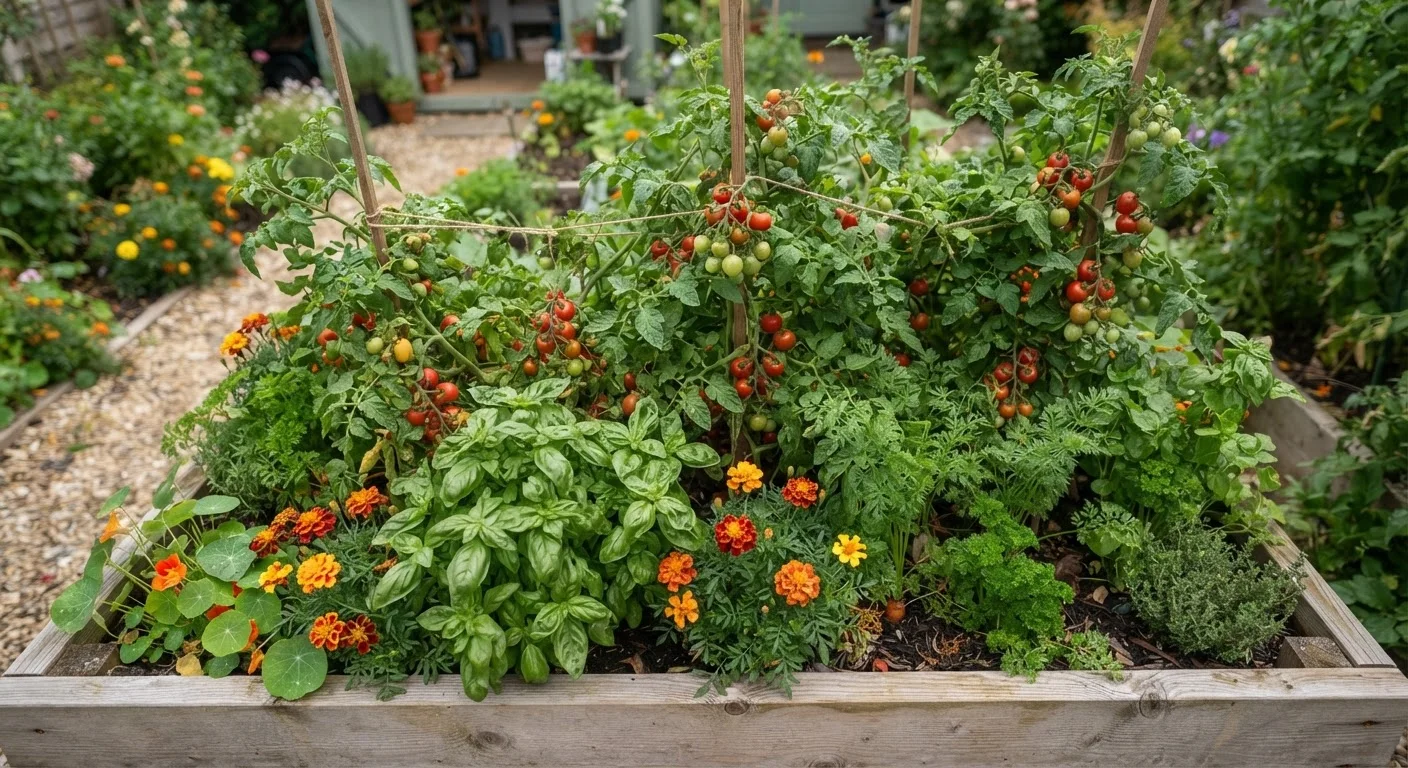
Photo: FaqsBay.com | Trending Blogs, Top Genres editorial
Key Takeaways
- Companion planting uses plant relationships to naturally deter pests, attract pollinators, and enrich soil.
- The classic 'Three Sisters' combination of corn, beans, and squash is one of the most proven pairings in vegetable gardening.
- Some plants actively inhibit their neighbors — knowing which to keep apart is just as important as knowing which to pair.
- Aromatic herbs like basil and dill do double duty as pest deterrents and pollinator attractors.
- Companion planting works best when combined with healthy soil and consistent watering practices.
Why Plant Placement in the Vegetable Garden Matters
Every plant in your garden affects the one growing beside it — sometimes for better, sometimes for worse. Companion planting is the deliberate practice of positioning vegetables, herbs, and flowers near one another to take advantage of beneficial relationships. Done thoughtfully, it can reduce pest pressure, improve pollination, maximize limited space, and even enhance flavor in some crops.
This isn't new-age gardening folklore. Many of these pairings are rooted in centuries of agricultural observation and have been studied by extension services and university horticulture programs. That said, results vary by climate, soil, and gardening conditions — think of companion planting as a useful tool in your toolkit, not a guaranteed fix.
If you're just getting started growing food, our guide on starting a vegetable garden from scratch covers the foundational steps before you plan your pairings. For experienced gardeners, pairing strategies layer on top of good soil preparation — including the kind of organic matter you'd get from composting kitchen scraps.
Tomatoes + Basil
This is one of the most popular companion pairings in North American home gardens, and for good reason. Basil is thought to repel aphids, spider mites, and tomato hornworm moths, though research on the mechanism is still evolving. What's well-established is that basil attracts pollinators when it flowers, which benefits the surrounding garden.
Plant basil 12–18 inches from tomato stems so both plants have adequate airflow. Pinching basil flowers early keeps the herb productive longer and slows bolting. As a bonus, you'll have both ingredients for a Caprese salad growing within arm's reach.
Basil attracts pollinators and is widely used alongside tomatoes to deter common pests.
Corn + Beans + Squash (The Three Sisters)
Developed by Indigenous farmers in North America over centuries, the Three Sisters system is one of the most ecologically integrated planting strategies in traditional agriculture. Corn provides a vertical trellis for pole beans to climb. Beans fix atmospheric nitrogen into the soil, feeding the heavy-feeding corn and squash. Squash sprawls along the ground, shading out weeds and retaining soil moisture with its broad leaves.
Plant corn first and allow it to reach 4–6 inches before introducing beans and squash. Space the corn in blocks rather than single rows to ensure adequate pollination. This system works best in larger garden spaces where the squash has room to spread.
The Three Sisters system integrates nitrogen fixation, weed suppression, and vertical growing in one bed.
Carrots + Onions
Carrots and onions are frequently cited as mutual pest deterrents. The strong scent of onions is thought to confuse carrot flies, while carrots may help mask onions from onion flies. Neither effect is absolute, but the pairing is space-efficient and causes no documented harm between the two crops.
Both plants are relatively shallow-rooted and can be interplanted in rows without competing excessively for nutrients. Thin carrots early so root development isn't crowded. This pairing is a practical way to double the productivity of a single bed without overcomplicating your layout.
Onions and carrots are commonly interplanted to reduce pest pressure from flies targeting each crop.
Cucumbers + Dill
Dill is a powerhouse companion herb. It attracts beneficial insects — including parasitic wasps that prey on aphids and caterpillars — and pollinators that cucumbers need to set fruit. Young dill planted near cucumbers supports both goals effectively.
One important caveat: mature dill that has gone to flower and begun setting seed can actually inhibit cucumber growth. Keep dill trimmed or stagger plantings so the dill doesn't outpace the cucumbers. Harvest dill regularly to keep it in a productive, pre-flowering state through the season.
Young dill near cucumbers draws beneficial insects, but mature seed-setting dill can inhibit cucumber growth.
Brassicas + Marigolds
Brassicas — including cabbage, broccoli, kale, and Brussels sprouts — are notoriously attractive to cabbage moths and aphids. French marigolds (Tagetes patula) are widely used around brassicas as a deterrent. Their scent is believed to confuse pests, and their roots produce a compound that suppresses certain soil nematodes.
Plant marigolds around the perimeter of your brassica patch or interplant them throughout. They require minimal care and bloom prolifically through summer. As an added benefit, marigolds attract pollinators and beneficial predatory insects that help manage garden pests more broadly.
French marigolds around brassicas are widely used to deter cabbage moths and suppress soil nematodes.
Lettuce + Tall Crops (Natural Shade Pairing)
Lettuce bolts — goes to seed and turns bitter — quickly in summer heat. Planting it in the partial shade cast by taller crops like staked tomatoes, trellised cucumbers, or corn can extend the productive window of your lettuce into warmer months.
This is a space-stacking strategy as much as a traditional companion planting technique. The taller plant uses vertical space while lettuce occupies the cooler ground-level zone beneath it. Time your lettuce succession plantings so you're harvesting before heat becomes intense, and use the tall-crop shade to buy a few extra productive weeks.
Planting lettuce beneath taller crops uses shade strategically to delay bolting in warm weather.
Pairs to Avoid: Fennel and Almost Everything
Companion planting isn't only about helpful pairings — knowing what not to plant together is equally important. Fennel is one of the most problematic plants in a mixed vegetable garden. It releases allelopathic compounds (natural chemicals that inhibit growth in neighboring plants) that can suppress tomatoes, peppers, beans, and most other vegetables.
Keep fennel isolated in its own container or a separate bed at least several feet from your main vegetable garden. Similarly, avoid planting onions near beans and peas, as alliums can stunt legume growth. And keep brassicas away from strawberries, which compete poorly alongside heavy feeders in the same soil space.
Fennel releases growth-inhibiting compounds — keep it well away from tomatoes, peppers, and beans.
Building a Smarter Garden Layout
Companion planting works best when you plan your bed layout before seeds go in the ground. Sketch out your garden, note which crops are heavy feeders versus soil builders, and consider mature plant heights so taller plants don't shade out shorter ones unnecessarily.
Plan Pairings on Paper First
Pairing strategies also integrate well with good mulching practice — keeping soil moisture consistent helps the root systems of companion plants coexist more productively. See our article on mulching your garden beds for practical application guidance.
Companion planting won't replace pest management or soil care, but it adds a layer of ecological intelligence to your garden that rewards careful observation season after season.
The content provided on our blog site traverses numerous categories, offering readers valuable and practical information. Readers can use the editorial team’s research and data to gain more insights into their topics of interest. However, they are requested not to treat the articles as conclusive. The website team cannot be held responsible for differences in data or inaccuracies found across other platforms. Please also note that the site might also miss out on various schemes and offers available that the readers may find more beneficial than the ones we cover.