
Mulching Your Garden Beds: The Science Behind the Benefits

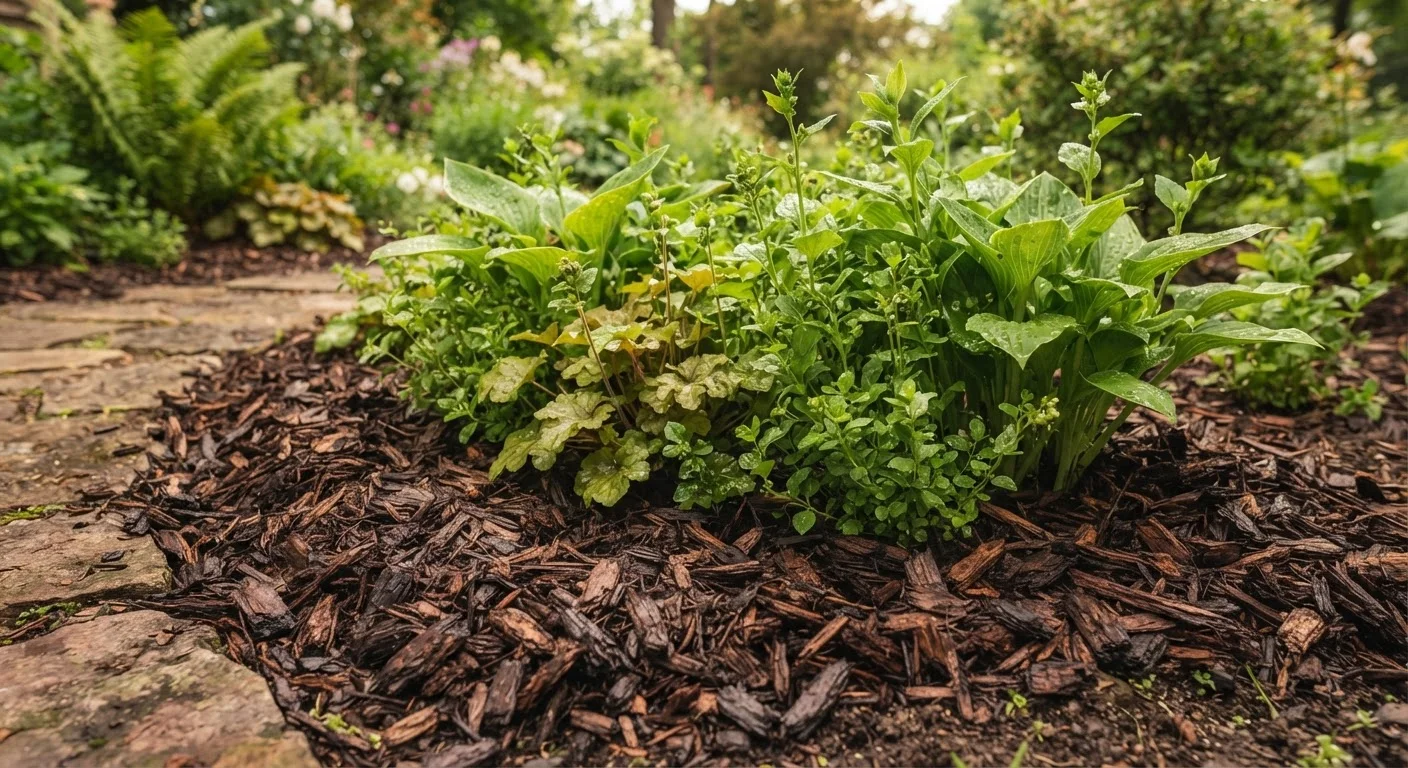
Photo: FaqsBay.com | Trending Blogs, Top Genres editorial
Key Takeaways
- Mulch reduces soil moisture loss by slowing surface evaporation, cutting watering needs significantly.
- A 2–4 inch mulch layer insulates roots against both summer heat and winter temperature swings.
- Organic mulches break down over time, feeding soil microbes and gradually improving soil structure.
- Improper mulch depth or placement — especially volcano mulching — can damage plants and invite pests.
- Choosing the right mulch type depends on your plants, climate, and whether you want long-term soil improvement.
What Mulch Actually Does Underground
Most gardeners reach for mulch to tidy up a bed or smother weeds, but the more consequential work happens at the soil surface — and just below it. Mulch acts as a physical barrier between the air and the soil, interrupting several processes that drain plant vitality.
Moisture retention is perhaps the most measurable benefit. Bare soil loses water rapidly through evaporation, especially on hot, sunny days. A mulch layer intercepts solar radiation and wind, dramatically slowing that loss. Research from university extension programs consistently shows that mulched beds can require up to 25–50% less supplemental irrigation than bare soil — a meaningful reduction for both your water bill and your plants' stress levels.
Temperature regulation is equally important. Exposed soil heats up fast in summer and cools sharply overnight. Mulch buffers those extremes, keeping the root zone more stable. In winter, it acts like insulation, protecting shallow roots from freeze-thaw cycles that heave soil and damage root systems. This is particularly useful for perennials and newly planted shrubs. For more on reducing overwatering habits, see common watering mistakes that apply to beds as well as lawns.
The Microbial Angle: How Organic Mulch Feeds Your Soil
Organic mulches — shredded leaves, wood chips, straw, bark — don't just sit on top of your soil. They decompose, and that decomposition is biologically valuable. Fungi and bacteria break down the mulch over weeks and months, cycling nutrients back into the soil in forms plants can absorb.
This process also improves soil structure. As organic matter integrates into the top layer, it creates aggregates — clusters of soil particles that hold air pockets and water simultaneously. That's the crumbly, dark texture experienced gardeners associate with healthy ground. If you're building soil from scratch, pairing mulch with homemade compost accelerates this transformation considerably. Our guide on composting at home explains how to produce a steady supply of finished compost to layer beneath your mulch.
It's also worth noting that mulch supports earthworm populations. Worms are drawn to the moist, protected environment mulch creates, and their movement through the soil further improves aeration and drainage.
Apply mulch at a consistent depth of 2–4 inches across the entire bed.
Keep mulch at least 2–3 inches away from plant stems and tree trunks.
Choose organic mulch types that match your garden's long-term soil goals.
Rake and lightly fluff existing mulch before adding a new layer each season.
Time mulch application to match your seasonal goal — warming or insulating.
Weed Suppression: How It Works and Its Limits
Mulch suppresses weeds through two mechanisms: it physically blocks light from reaching weed seeds, and it creates a surface that many seeds can't anchor into effectively. Annual weeds — the kind that germinate from seed each season — are the most reliably deterred. Perennial weeds with established root systems are more persistent and may push through even a thick mulch layer.
Depth matters here. A layer under 2 inches provides limited suppression; 3–4 inches is the practical target for most beds. Going beyond 4–5 inches can reduce oxygen exchange and trap moisture against plant stems, creating conditions favorable to rot and fungal disease.
Match Mulch Weight to Bed Use
For vegetable gardens, where you're planting and replanting frequently, lighter mulches like straw or finely shredded leaves work better than heavy wood chips, which are harder to move aside for new transplants. See our vegetable garden starter guide for soil preparation tips that pair well with mulching.
Applying Mulch Correctly: Common Mistakes to Avoid
Even well-intentioned mulching can backfire. The most widespread error is volcano mulching — piling mulch directly against tree trunks or shrub stems in a cone shape. This keeps bark perpetually moist, which encourages rot, pest colonization, and disease. Mulch should always stop 2–3 inches away from any stem or trunk.
Timing also matters. Apply mulch in spring after the soil has warmed — spreading it over cold, wet soil delays warming further. Fall applications are appropriate for protecting roots through winter, but wait until after a hard frost to avoid trapping warmth that keeps pests or rodents active beneath the surface.
Finally, refresh mulch annually. Organic materials break down and compress, reducing their effectiveness over time. Rake existing mulch before adding a fresh top layer, rather than building up an ever-thickening mat that can become hydrophobic (water-repellent) and actually shed rain rather than absorb it. Healthy soil underneath is the goal — understanding your soil's pH and nutrient profile will help you choose the mulch type that complements rather than disrupts your garden chemistry.
The content provided on our blog site traverses numerous categories, offering readers valuable and practical information. Readers can use the editorial team’s research and data to gain more insights into their topics of interest. However, they are requested not to treat the articles as conclusive. The website team cannot be held responsible for differences in data or inaccuracies found across other platforms. Please also note that the site might also miss out on various schemes and offers available that the readers may find more beneficial than the ones we cover.