
Interior Paint Finish Types Decoded

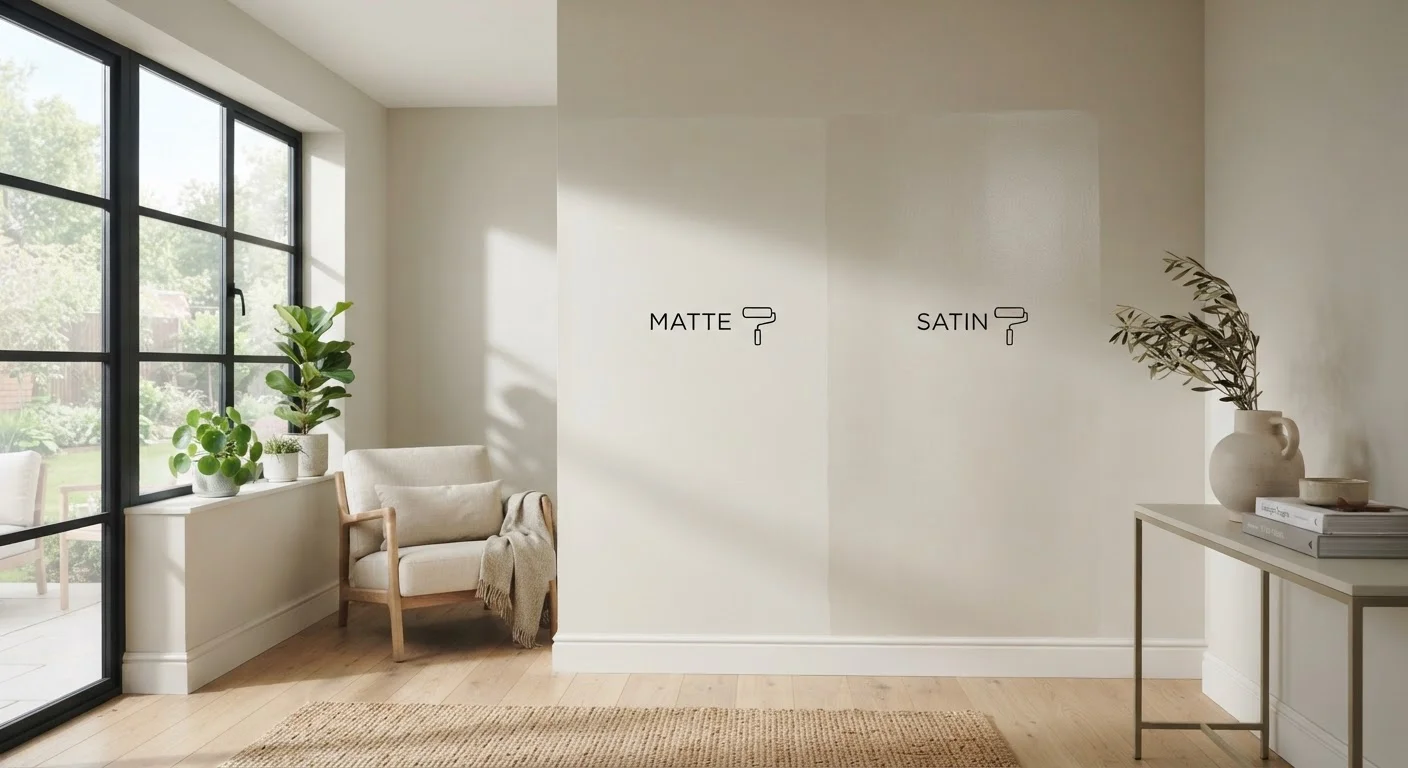
Photo: FaqsBay.com | Trending Blogs, Top Genres editorial
Key Takeaways
- Matte and flat finishes hide imperfections well but are harder to clean — best for low-traffic areas.
- Eggshell offers a subtle sheen with moderate washability, making it a popular all-purpose interior finish.
- Satin holds up to moisture and scrubbing, making it ideal for kitchens, bathrooms, and hallways.
- Semi-gloss reflects the most light among common interior finishes and is easiest to wipe clean.
- Higher sheen levels highlight surface imperfections, so wall prep matters more before applying them.
- Matching finish to function — not just aesthetics — is the key to a paint job that lasts.
Why Finish Type Is More Than a Style Choice
Most homeowners spend significant time selecting a paint color — then choose the finish almost as an afterthought. But sheen level determines how a wall holds up to steam, fingerprints, and scrubbing, and how the color appears under different lighting conditions throughout the day. Getting it wrong means repainting sooner than expected, or dealing with walls that look dingy after a few rounds of cleaning.
Think of finish as the practical layer of your paint decision. Color addresses aesthetics; finish addresses performance. The two need to work together based on what actually happens in each room of your home.
For more on how surface color choices affect a room's spatial feel, see our article on what accent walls actually do to a room's proportions.
The Four Core Interior Finish Types
Interior paints are typically grouped into four finish categories. Understanding what sets them apart makes room-by-room decisions much easier.
Flat / Matte
These finishes contain the lowest amount of light-reflective binder, producing a non-shiny, velvety surface. They hide surface imperfections better than any other finish, which is why they're common on ceilings and older walls with patchy repairs. The trade-off: they absorb stains and are difficult to clean without leaving marks. Best for: adult bedrooms, formal dining rooms, ceilings.
Eggshell
Named for the subtle, low-luster finish of a real eggshell, this is one of the most versatile interior finishes. It's noticeably easier to wipe down than matte while still soft-looking in daylight. It performs well in moderate-traffic rooms and holds color depth beautifully. Best for: living rooms, hallways, adult bedrooms.
Test Finish Samples in Real Light
Satin
Satin has a smooth, slightly pearl-like sheen that reflects enough light to feel bright without being flashy. It resists moisture and can be scrubbed — two traits that matter enormously in active rooms. It's also a go-to for trim and doors throughout the home. Best for: kitchens, bathrooms, kids' rooms, laundry rooms, trim.
Semi-Gloss
Semi-gloss is highly reflective and exceptionally durable. It's the easiest finish to wipe clean and holds up to repeated washing. The reflectivity can highlight wall imperfections, so surface preparation becomes especially important before application — something covered thoroughly in our guide to painting a room the right way. Best for: bathrooms, cabinets, doors, trim, window casings.
Room-by-Room Finish Guide
4
Core interior paint finish categories
Flat, eggshell, satin, and semi-gloss cover the vast majority of interior residential applications.
~10–15%
Price difference between finish levels
Generally, higher-sheen paints within the same product line cost only marginally more, making finish selection primarily a performance decision, not a budget one.
2–3x
More scrub cycles before surface damage
Industry testing has consistently shown satin and semi-gloss finishes withstand significantly more cleaning cycles than flat or matte surfaces before the paint breaks down.
Applying the right finish to each space saves time and money over the long run. Here's a quick-reference breakdown:
| Room | Recommended Finish | Key Reason |
|---|---|---|
| Living Room | Eggshell | Moderate durability, attractive in varied light |
| Bedroom | Matte or Eggshell | Low-traffic, hides imperfections |
| Kitchen | Satin or Semi-Gloss | Resists grease and moisture, easy to wipe |
| Bathroom | Satin or Semi-Gloss | Stands up to steam and humidity |
| Hallway | Eggshell or Satin | Handles contact and scuffs |
| Ceiling | Flat / Matte | Hides texture, minimal glare overhead |
| Trim & Doors | Semi-Gloss | Durability and clean contrast |
Mixing finishes within one room is entirely appropriate and often recommended. Using semi-gloss on door and window trim while keeping walls in eggshell creates a subtle, professional-looking contrast that highlights architectural detail without competing with the wall color.
A Note on Surface Preparation
Sheen Can Shift With Tint Color
One rule applies across every finish level: the shinier the finish, the more preparation the wall surface requires. A semi-gloss applied over patchy, unprepared walls will visually amplify every dent and seam. Satin is somewhat more forgiving, but still rewards thorough sanding and priming. Matte hides the most, but that doesn't mean skipping prep entirely — adhesion still matters for longevity.
If you're working with a previously painted surface, understanding how different finish types behave over existing layers is worth reviewing before you start. And when thinking about how paint choices interact with the rest of your room's materials, our piece on mixing wood tones throughout a home offers useful perspective on coordinating surfaces.
Frequently Asked Questions
The content provided on our blog site traverses numerous categories, offering readers valuable and practical information. Readers can use the editorial team’s research and data to gain more insights into their topics of interest. However, they are requested not to treat the articles as conclusive. The website team cannot be held responsible for differences in data or inaccuracies found across other platforms. Please also note that the site might also miss out on various schemes and offers available that the readers may find more beneficial than the ones we cover.