
Paint Finish Types Decoded: Matte, Eggshell, Satin, and Beyond

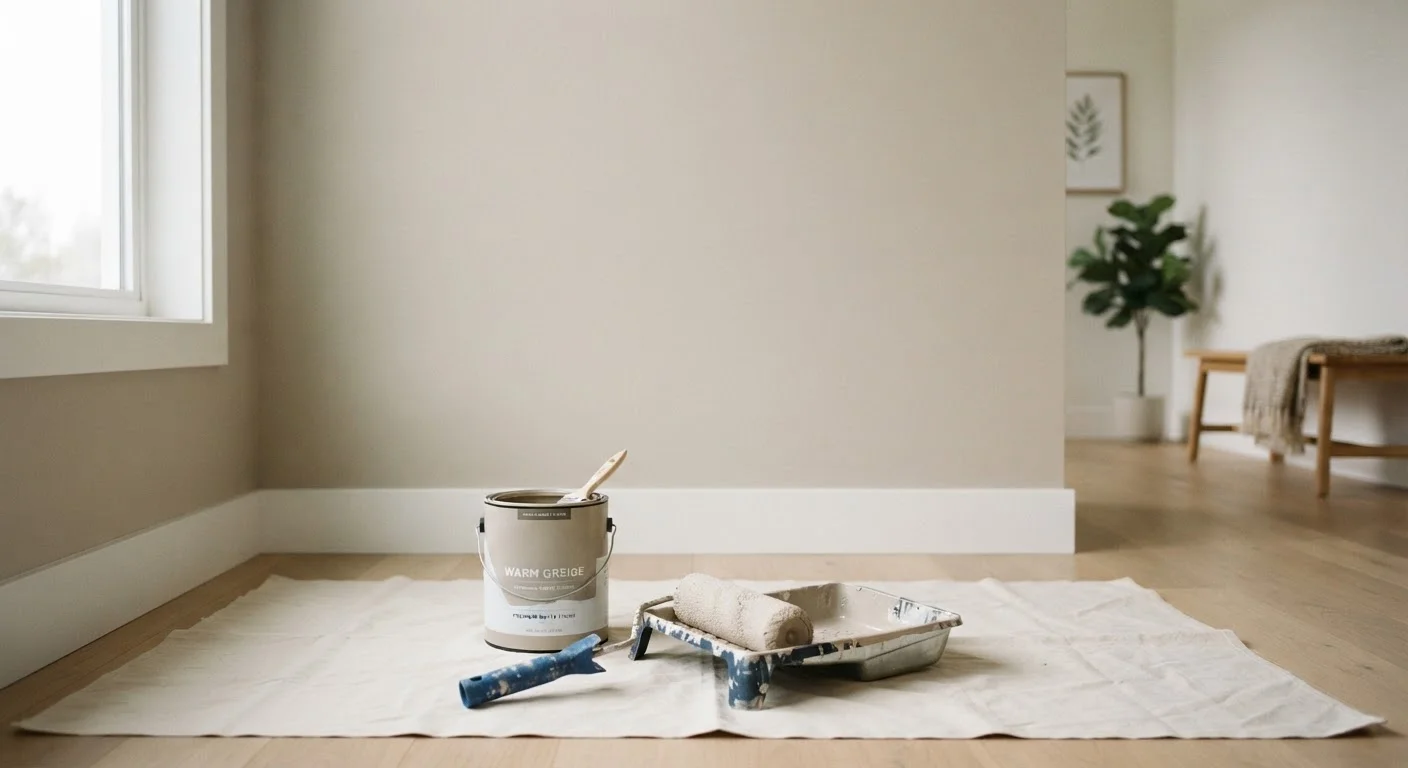
Photo: FaqsBay.com | Trending Blogs, Top Genres editorial
Why Paint Finish Matters as Much as Color
You can choose the perfect color and still end up disappointed if you pick the wrong finish. Paint sheen affects how light bounces off a surface, how durable the coating is, and how forgiving it is of imperfections on the wall. A finish that works beautifully in a living room can look harsh and clinical in a bedroom — or wear out quickly in a kitchen.
Understanding the difference between matte, eggshell, satin, semi-gloss, and gloss empowers you to make choices that hold up visually and practically over time. This guide decodes each finish and maps it to the rooms and surfaces where it performs best.
| Finish types (low to high sheen) | Flat → Matte → Eggshell → Satin → Semi-Gloss → High-Gloss |
| Best finish for ceilings | Flat or matte |
| Best finish for kitchens and bathrooms | Satin or semi-gloss |
| Best finish for trim and doors | Semi-gloss |
| Most versatile wall finish | Eggshell |
| Higher sheen effect on wall flaws | Amplifies imperfections — requires more prep work |
The Finish Spectrum: From Flat to High-Gloss
Paint finishes are organized by sheen level — essentially, how much light the dried surface reflects. Here's how each one behaves:
- Flat / Matte
- No measurable sheen. Absorbs light rather than reflecting it, which helps disguise wall texture and surface imperfections. Best used on ceilings and low-traffic walls in adult bedrooms or formal living rooms. Not washable in the traditional sense — scrubbing often removes the paint itself.
- Eggshell
- A very subtle, low sheen that resembles the surface of an eggshell. This is the workhorse of interior wall finishes. It hides minor flaws reasonably well, tolerates light cleaning, and suits most living areas, dining rooms, and hallways.
- Satin
- Noticeably smoother and slightly glossier than eggshell. It holds up well to moisture and cleaning, making it the standard choice for kitchens, bathrooms, and children's rooms. One trade-off: satin shows brush strokes and roller marks more readily, so application technique matters more.
- Semi-Gloss
- A clearly reflective finish used primarily on trim, doors, window casings, and cabinetry. It is highly durable and easy to wipe clean. On large flat walls, semi-gloss will magnify any surface imperfection — use it intentionally and selectively.
- High-Gloss
- The most reflective finish available. Used on furniture, accent pieces, and exterior doors where a lacquer-like appearance is desired. Requires very smooth, well-prepped surfaces to look intentional rather than flawed.
Sheen
The degree to which a dried paint surface reflects light. Higher sheen means more reflectivity and generally greater durability and washability.
Flat / Matte Finish
A paint finish with no measurable light reflection. It conceals surface imperfections effectively but is not suited for high-contact or high-moisture areas.
Eggshell Finish
A low-sheen finish with just enough reflectivity to tolerate light cleaning. It is the most versatile interior wall finish for general living spaces.
Satin Finish
A mid-range sheen finish that resists moisture and cleans up well. Commonly used in kitchens, bathrooms, and family rooms.
Semi-Gloss Finish
A noticeably reflective finish used primarily on trim, doors, and cabinetry. Very durable and easy to wipe clean, but amplifies surface imperfections on walls.
High-Gloss Finish
The highest sheen level available. Produces a hard, lacquer-like surface ideal for furniture, accent details, and exterior doors on well-prepped surfaces.
Matching Finish to Room: A Practical Reference
A simple rule of thumb: the more moisture, traffic, or contact a surface gets, the higher the sheen you should choose. Here's how that plays out room by room:
- Ceilings: Flat or matte exclusively — sheen on a ceiling reads as uneven and draws attention to imperfections.
- Bedrooms: Matte or eggshell. These rooms see low traffic and benefit from a softer, non-reflective look.
- Living and dining rooms: Eggshell is the standard. Satin works if the room has children or pets.
- Kitchens and bathrooms: Satin or semi-gloss. Moisture resistance and cleanability matter here more than hiding wall texture.
- Trim, doors, and baseboards: Semi-gloss throughout the home. It defines architectural detail and withstands repeated contact.
- Accent walls: Match the sheen to the room's overall finish, or go one step higher on the accent wall for subtle visual punch. See our guide to accent walls for how finish interacts with proportion.
Higher Sheen Means More Surface Prep
Before buying, always confirm the paint is primed and prepped correctly — sheen amplifies surface flaws. Our room painting prep guide walks through each step in order.
The content provided on our blog site traverses numerous categories, offering readers valuable and practical information. Readers can use the editorial team’s research and data to gain more insights into their topics of interest. However, they are requested not to treat the articles as conclusive. The website team cannot be held responsible for differences in data or inaccuracies found across other platforms. Please also note that the site might also miss out on various schemes and offers available that the readers may find more beneficial than the ones we cover.