
What to Do Immediately After a Car Accident-Before You Call Your Insurer

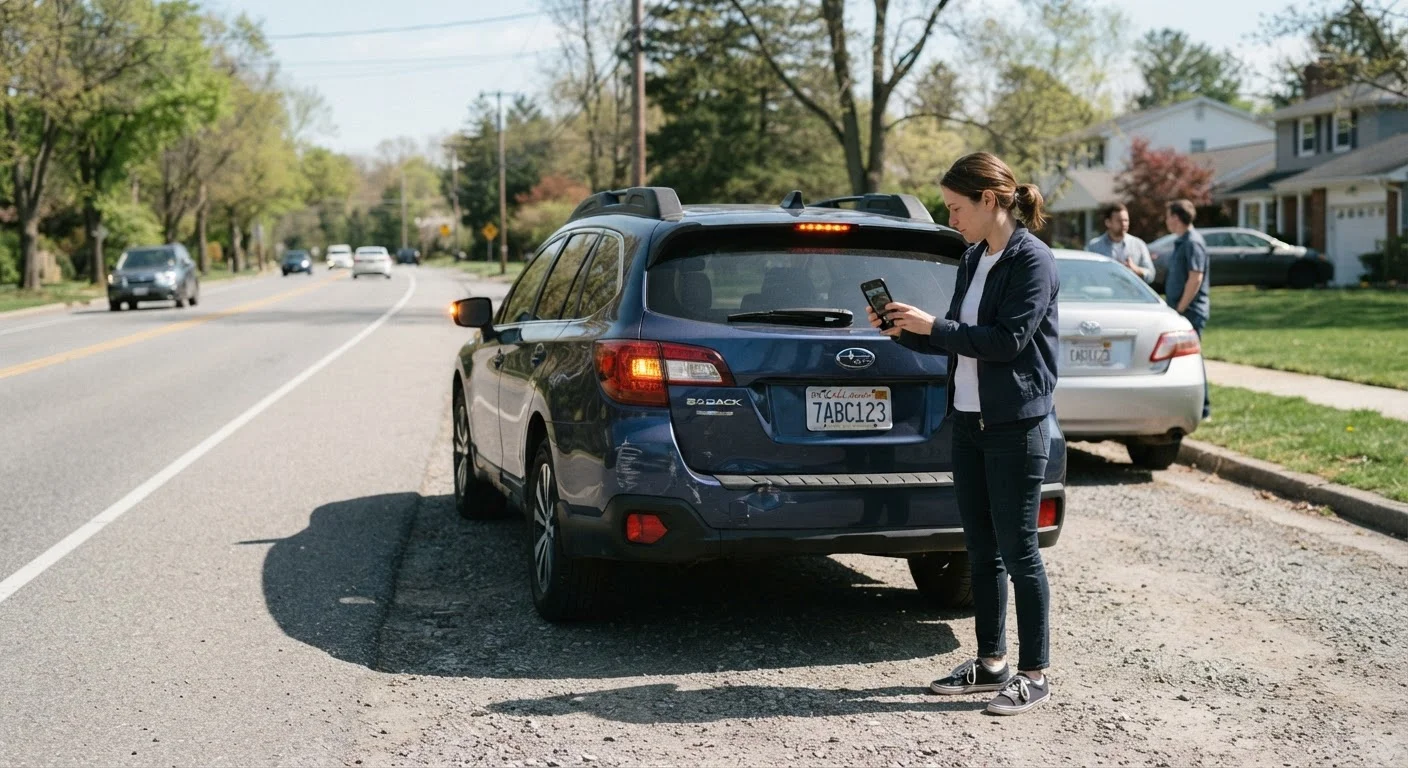
Photo: FaqsBay.com | Trending Blogs, Top Genres editorial
Key Takeaways
- Move to safety first - never stand in active traffic lanes after a collision.
- Call 911 even for minor accidents; a police report often strengthens your insurance claim.
- Photograph everything before vehicles are moved whenever it is safe to do so.
- Collect the other driver's insurance information, not just their contact details.
- Avoid admitting fault or making informal payment agreements at the scene.
- Notify your insurer promptly - most policies require timely reporting to preserve your coverage.
Why the First Few Minutes Matter More Than You Think
A car accident is disorienting. Adrenaline spikes, other drivers may be upset, and the instinct is often to sort things out quickly and move on. But the decisions you make in those first minutes - and the information you collect or fail to collect - directly influence your physical safety, your legal standing, and the outcome of any insurance claim you file later.
This checklist walks you through every step in the order it should happen, from the moment of impact through the point where you're ready to contact your insurer. Understanding how your policy works beforehand helps enormously; if you haven't already reviewed your coverage, the plain-language breakdown of how auto insurance works is a good starting point.
Immediate Safety
Emergency Response
Information Exchange
Documentation
What to Avoid at the Scene
What to Gather Before You Leave the Scene
Once immediate safety is addressed, your job is documentation. Courts, insurers, and your own memory will rely on what you capture now rather than what you try to reconstruct later. The other driver's insurance card is a minimum - you need the insurer name, policy number, and their vehicle's make, model, and license plate. Your own declarations page includes your policy number and emergency contact, so having it accessible in your glove box or a phone screenshot saves time at the scene.
Do Not Rely Solely on Memory
For photographs, work from wide-angle shots (the overall scene, road markings, traffic signs) down to close-ups of all vehicle damage, airbag deployment if applicable, and any skid marks. Note the time, weather, and lighting. If there are witnesses, ask for a name and phone number - a neutral account can carry significant weight with an adjuster.
Understanding which coverage types apply to your situation also helps you ask the right questions when you do call your insurer. The breakdown of liability, collision, and comprehensive coverage explains when each applies and how they interact.
When You're Ready to File Your Claim
The on-scene checklist is only the first half of the process. Once you're safe and have all your documentation, notify your insurer as soon as practical - most policies specify a reasonable timeframe, and delays can complicate coverage. For a clear walkthrough of what happens from that first call through settlement, see the step-by-step guide to the auto insurance claims process.
Timely Reporting Is a Policy Requirement
If you're uncertain whether an incident falls under collision or comprehensive - for example, if another object struck your parked car - the collision vs. comprehensive explainer clarifies the distinction before you file under the wrong coverage type.
This article provides general information about steps commonly taken after a vehicle accident and is not legal, insurance, or medical advice. Coverage terms, claim procedures, and legal requirements vary by state and by policy. Always consult your policy documents, a licensed insurance agent, and, where injuries are involved, a qualified medical or legal professional.
The content provided on our blog site traverses numerous categories, offering readers valuable and practical information. Readers can use the editorial team’s research and data to gain more insights into their topics of interest. However, they are requested not to treat the articles as conclusive. The website team cannot be held responsible for differences in data or inaccuracies found across other platforms. Please also note that the site might also miss out on various schemes and offers available that the readers may find more beneficial than the ones we cover.