
Collision vs. Comprehensive Coverage: Knowing the Difference Could Save You Confusion

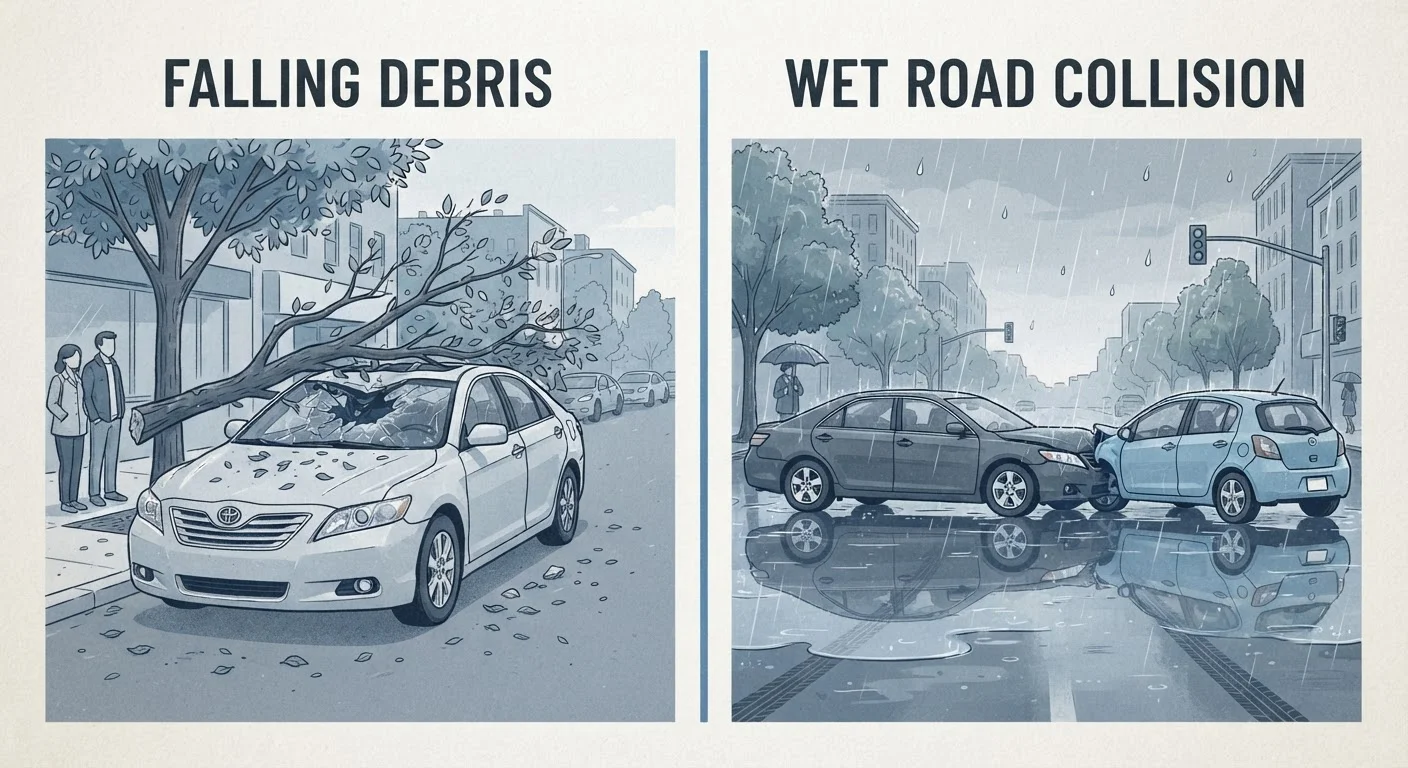
Photo: FaqsBay.com | Trending Blogs, Top Genres editorial
Key Takeaways
- Collision coverage pays for damage caused by your car striking another vehicle or object.
- Comprehensive coverage pays for damage from non-collision events like theft, hail, or animal strikes.
- Both coverages are optional unless required by a lender or leasing company.
- Each coverage carries its own deductible, which you pay before the insurer covers the rest.
- Your vehicle's value is a key factor in deciding whether either or both coverages make financial sense.
What Each Coverage Actually Does
Despite their similar-sounding names, collision and comprehensive coverage respond to entirely different situations. Understanding the distinction is one of the more practical things a driver can do before an incident forces the question.
Collision coverage applies when your vehicle makes contact with another vehicle or a fixed object - think a rear-end accident, a collision with a guardrail, or backing into a concrete pillar. It doesn't matter whether you were at fault; collision coverage can help pay for repairs to your own vehicle in these scenarios (minus your deductible).
Comprehensive coverage - sometimes called "other than collision" coverage - handles a wider range of incidents that don't involve a moving-vehicle crash. This includes damage from hail, flooding, fire, falling objects, vandalism, and theft. It also covers animal strikes, such as hitting a deer, which surprises many drivers who assume that's a collision claim.
For a fuller look at how these two fit alongside liability protection, see our guide on collision, comprehensive, and liability.
| Criterion | Collision Coverage | Comprehensive Coverage |
|---|---|---|
| What triggers a claim | Contact with another vehicle or object | Theft, weather, fire, vandalism, animal strike |
| At-fault requirement | Not required - covers regardless of fault | Not applicable - non-collision events |
| Deductible applies | Yes | Yes |
| Maximum payout | Actual cash value of vehicle | Actual cash value of vehicle |
| Required by law | No (lenders may require it) | No (lenders may require it) |
| Deer strike covered | No | Yes |
| Hail or flood damage | No | Yes |
| Backing into a pole | Yes | No |
Deductibles, Limits, and What You'll Actually Receive
Both coverages come with a deductible - the amount you agree to pay out of pocket before your insurer covers the remainder. Common deductible choices range from $250 to $1,500. A higher deductible typically lowers your premium but means more upfront exposure when a claim occurs.
Neither coverage pays out more than your vehicle's actual cash value (ACV) - the market value of the car at the time of the loss, factoring in depreciation. If your car is totaled in a collision, you'll receive the ACV minus your deductible, not the original purchase price or what it would cost to buy a comparable new vehicle.
~6%
Share of comprehensive claims involving animal strikes
Animal collisions - particularly deer - are among the most common comprehensive claims filed, especially in rural and suburban states, according to insurance industry data.
$500
Most common collision deductible chosen
Industry surveys consistently show $500 as the most frequently selected deductible for both collision and comprehensive coverage among US drivers.
This ACV cap is a meaningful limitation for owners of newer or higher-value vehicles. Some drivers add gap insurance - a separate product that covers the difference between what you owe on a loan and what the insurer pays if the car is a total loss. Your policy's declarations page will show your elected coverages and deductibles clearly; reading your declarations page is a smart habit any time you renew.
When You Need One, Both, or Neither
Neither collision nor comprehensive is required by state law - unlike liability coverage, which most states mandate. However, if you're financing or leasing a vehicle, your lender will almost certainly require both as a condition of the loan or lease.
If you own your vehicle outright, the decision becomes a cost-benefit question. Consider the vehicle's current market value, how much your combined premiums cost annually, and what your deductibles are. A general rule of thumb: if the vehicle's value is not significantly higher than the cost of your annual premiums plus your deductible, carrying one or both coverages may not be financially advantageous - though this is a personal calculation, not a guaranteed formula.
Drivers who park outdoors in areas with frequent hailstorms, who live near wildlife corridors, or who reside in neighborhoods with higher vehicle theft rates may find comprehensive particularly worth carrying. Those with longer daily commutes or who drive frequently in congested areas may lean toward prioritizing collision. For a broader view of how these coverages interact with overall policy structure, our article on minimum vs. full coverage trade-offs provides useful context.
If you're ever uncertain which coverage applies after an incident, knowing what to document before calling your insurer can make the claims process much smoother. And to understand other gaps that may exist in your policy, see coverage gaps drivers often discover too late.
This article is for general informational purposes only and does not constitute personalized insurance advice. Coverage terms, availability, and requirements vary by insurer, policy, and state. Consult a licensed insurance professional and review your actual policy documents before making coverage decisions.
The content provided on our blog site traverses numerous categories, offering readers valuable and practical information. Readers can use the editorial team’s research and data to gain more insights into their topics of interest. However, they are requested not to treat the articles as conclusive. The website team cannot be held responsible for differences in data or inaccuracies found across other platforms. Please also note that the site might also miss out on various schemes and offers available that the readers may find more beneficial than the ones we cover.