
Filing an Auto Insurance Claim: What the Process Actually Looks Like

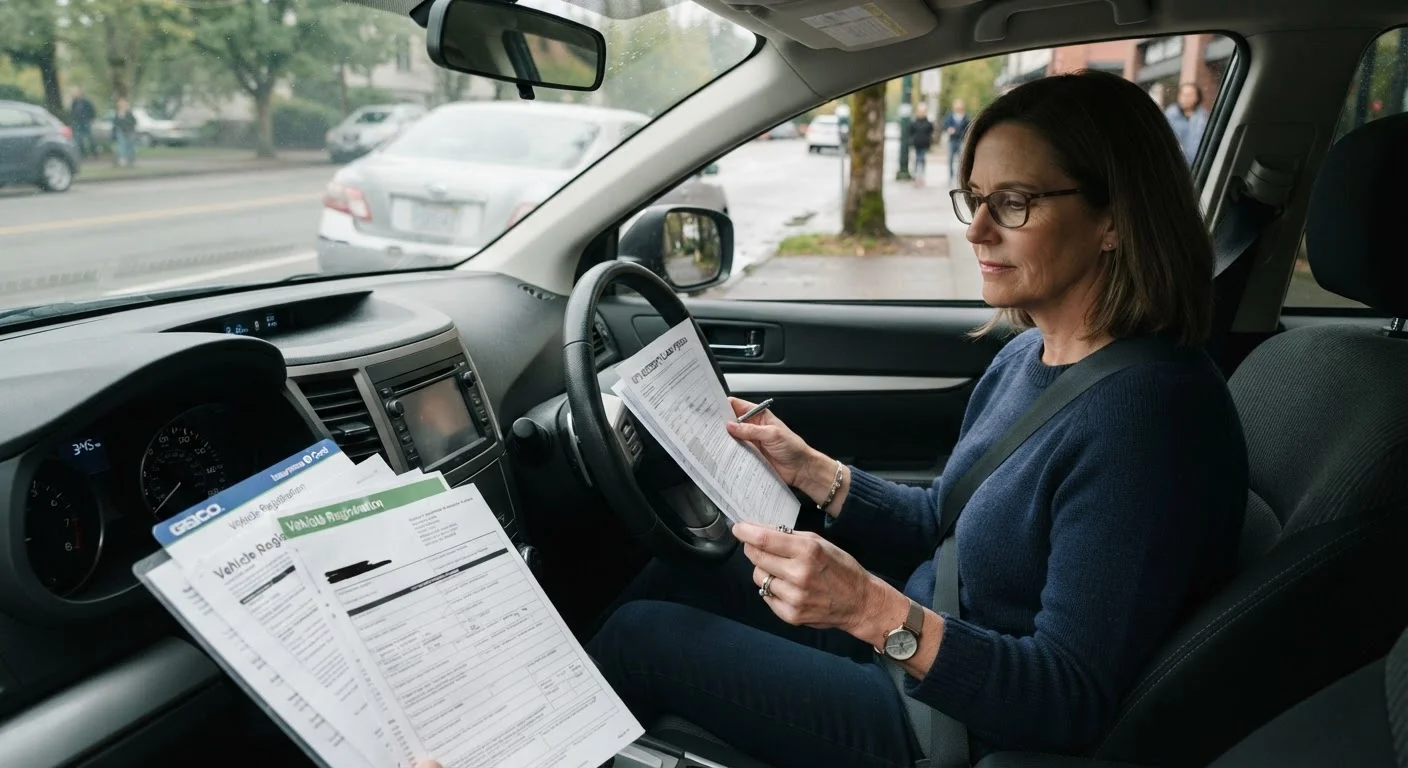
Photo: FaqsBay.com | Trending Blogs, Top Genres editorial
Key Takeaways
- Filing a claim starts with notifying your insurer promptly - delays can complicate the process.
- An adjuster evaluates the damage and determines what your policy will cover.
- Understanding your deductible before filing helps you decide whether a claim is worth making.
- Settlement offers can sometimes be questioned; you have the right to provide additional documentation.
- Coverage type - liability, collision, or comprehensive - determines who pays and how.
Why Understanding the Process Matters Before You Need It
Filing an auto insurance claim for the first time - often while dealing with the stress of an accident or theft - can feel disorienting. The terminology is specific, the timelines aren't always clear, and it's easy to make decisions quickly that you later wish you'd approached differently.
A working knowledge of how claims move from report to resolution puts you in a much stronger position. You'll know what questions to ask, what documents to keep, and what to watch for at each stage. For a broader grounding in how auto insurance works before you get to the claims stage, see our overview: Car Insurance Decoded.
What you will need
The steps below walk through a typical private-passenger auto insurance claim in the United States. Your specific experience may vary by insurer, policy type, and state regulations.
This article provides general information about the auto insurance claims process and is not a substitute for reading your actual policy or consulting a licensed insurance professional about your specific situation. Coverage, terms, and procedures vary by insurer and state.
What You'll Need Before You Start
Having the right information at hand before you contact your insurer reduces back-and-forth and helps the claim open cleanly. Most insurers will ask for your policy number, a description of the incident, and basic details about any other parties involved.
Insurance declarations page
Confirms your coverage types, limits, and deductible amounts before you file.
Smartphone camera
Used to photograph damage, license plates, and the accident scene for your claim file.
Claim tracking number
Assigned by your insurer after you report the incident; use it to check claim status.
Repair estimates
Written estimates from one or more repair shops help you evaluate the adjuster's damage assessment.
If you're not sure how to locate your deductible or coverage limits quickly, your declarations page is the fastest reference. It's typically the first page of your policy documents.
Don't Delay Reporting an Incident
How to File Your Claim Step by Step
Document Everything at the Scene
Confirm what your policy covers
Before filing, pull out your declarations page or check your insurer's app to confirm which coverages apply to your situation. A collision claim works differently from a comprehensive claim, and liability coverage only pays for damage you cause to others - not your own vehicle. If you need a refresher, our article on liability, collision, and comprehensive coverage explains the distinctions clearly.
Also note your deductible - the amount you pay out of pocket before your insurer contributes. If the repair cost is close to or below your deductible, filing a claim may not make financial sense.
Notify your insurer and open a claim
Contact your insurance company through their preferred channel - phone, mobile app, or website. You'll typically provide your policy number, a description of what happened, the date and location of the incident, and information about any other parties involved. The insurer will assign you a claim number; keep this handy for all future communication.
If another driver was at fault, you may file with their liability insurer instead. Your own insurer can often guide you through this if the situation is unclear.
Work with the claims adjuster
After you file, a claims adjuster - either employed by your insurer or an independent contractor - will be assigned to evaluate the damage and determine coverage. They may inspect your vehicle in person, review photos you submit, or use a combination of both.
The adjuster will compare their damage assessment against your policy terms and calculate what the insurer owes, minus your deductible. Ask questions if any part of the assessment is unclear. You are entitled to understand how the figure was reached.
Get your vehicle repaired
Depending on your insurer, you may be directed to a preferred repair network or given freedom to choose your own shop. Using an insurer-approved shop can simplify the payment process, but you are generally not required to use one - check your policy language to be certain.
Your insurer typically pays the shop directly, minus your deductible. In some cases, you may receive a check and arrange payment yourself. Clarify this with your adjuster before authorizing any repair work.
Review and respond to the settlement offer
For total-loss situations - where repair costs exceed the vehicle's value - the insurer will make a settlement offer based on your car's actual cash value (ACV) at the time of loss, not its original purchase price. If you believe the valuation is too low, you can provide supporting evidence such as comparable vehicle listings or a recent independent appraisal.
For repair claims, review the itemized payout carefully before signing any release documents. Once you accept and sign, the claim is typically closed.
Accepting a Settlement Is Usually Final
After the Claim: What to Keep in Mind
Once a claim is resolved, it's a good time to revisit your coverage to make sure it still fits your needs. Claims history can affect future premiums, and your vehicle's value changes over time - both of which are worth factoring in at your next renewal. Our guide on reviewing your car insurance policy at renewal outlines what to examine each time your policy comes up for renewal.
If the claim involved another driver and liability was disputed, you may want to document all communications and outcomes for your records. In complex situations - particularly those involving injuries or significant property damage - consulting a licensed insurance professional or attorney is advisable.
The content provided on our blog site traverses numerous categories, offering readers valuable and practical information. Readers can use the editorial team’s research and data to gain more insights into their topics of interest. However, they are requested not to treat the articles as conclusive. The website team cannot be held responsible for differences in data or inaccuracies found across other platforms. Please also note that the site might also miss out on various schemes and offers available that the readers may find more beneficial than the ones we cover.