
Fall Foliage Drives vs. Summer National Park Routes: Picking the Right Season for Your Trip

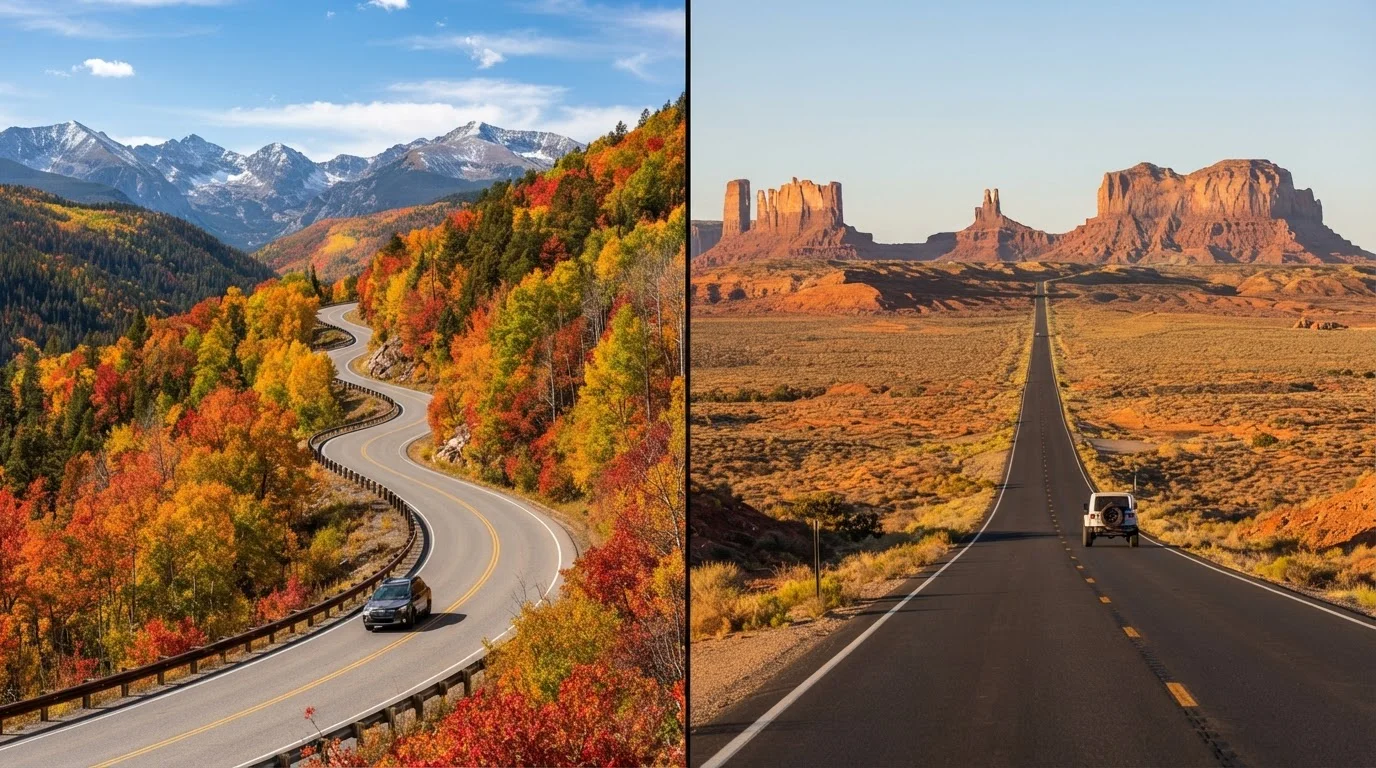
Photo: FaqsBay.com | Trending Blogs, Top Genres editorial
Key Takeaways
- Fall foliage drives peak between late September and early November, varying significantly by region and elevation.
- Summer national park routes offer longer daylight hours and fuller access but come with peak crowds and higher costs.
- Shoulder seasons like early June or late September can deliver the best of both worlds for flexible travelers.
- Booking accommodations weeks or months in advance is strongly advisable for either peak-season window.
- Weather, road accessibility, and park entry reservations should be verified with official sources before departure.
The Core Experience: What Each Season Actually Delivers
A fall foliage road trip is fundamentally a visual experience. Routes like Vermont's Route 100, North Carolina's Blue Ridge Parkway, and Michigan's Upper Peninsula transform into rolling galleries of crimson, amber, and gold. The draw is passive in the best possible way — you drive, you pull over, you absorb. Temperatures are cooler (often 40–60°F in New England), crowds thin compared to summer peaks, and the landscape does the heavy lifting.
Summer national park routes operate on a different energy. Think Zion, Yellowstone, Rocky Mountain, and Grand Teton — landscapes built for exploration. Longer daylight (sometimes 15+ hours in northern parks) means more time on the trail, more wildlife sightings at dusk, and the ability to tackle ambitious multi-stop itineraries. The trade-off is real: summer is peak season, and popular parks can feel genuinely crowded at major viewpoints and trailheads.
For a deeper look at what separates a forgettable drive from a truly memorable one, see our guide to America's most scenic drives.
| Fall Foliage Drives | Summer National Park Routes | |
|---|---|---|
| Peak timing | Late September – early November | Memorial Day – Labor Day |
| Crowd levels | Moderate (busy on peak weekends) | High at major parks and viewpoints |
| Typical costs | Lower overall; spikes on foliage weekends | Higher lodging, gas, and demand prices |
| Road access | Some high routes close mid-fall | High-elevation roads fully open |
| Advance booking needed | Moderate lead time advised | Months ahead for popular parks |
| Activity focus | Scenic driving, photography, small towns | Hiking, wildlife, multi-park itineraries |
| Weather predictability | Variable; early snow possible at elevation | Generally stable; heat in desert parks |
Planning Demands: How Much Lead Time You Actually Need
Summer park trips require the most advance planning of any domestic driving vacation. Timed-entry reservations — now required at parks including Yosemite, Glacier, and Arches — can book out months in advance. Campsite reservations at flagship parks like Yellowstone typically open in the spring and fill rapidly. If spontaneity is your style, summer peak season will test your patience.
Fall foliage trips carry their own planning wrinkle: timing the color. Peak leaf season is notoriously hard to predict and shifts by elevation and latitude. Northern New England typically peaks in early-to-mid October; the Southern Appalachians can hold color well into November. Booking lodging in foliage hotspots (like Stowe, Vermont, or Asheville, North Carolina) still requires lead time, since leaf season is popular, but the reservation pressure is generally less acute than summer parks.
Our article on spontaneous vs. pre-planned road trips breaks down how planning approach affects real costs either way.
Time Your Foliage Research Right
Costs, Crowds, and the Shoulder-Season Sweet Spot
Summer is the most expensive window for both lodging and park fees near major national parks. Gas prices also tend to be higher in peak summer months. Fall, especially after Labor Day, generally brings lower nightly rates at motels and inns along foliage routes, and many park entrance fees remain the same year-round — meaning the overall trip cost can be meaningfully lower in autumn.
That said, leaf-peeping towns in prime regions do spike in price on peak weekends. The real value play is shoulder timing: late May to early June (before the summer rush fully arrives) and late September to mid-October (as summer crowds leave but color is beginning) often offer the best balance of access, weather, and value.
Seasonality shapes far more than scenery — it shapes your entire budget. Our breakdown of how seasonality affects destination costs is worth a read before you book.
For those choosing iconic routes in either season, our comparison of the Pacific Coast Highway vs. the Blue Ridge Parkway offers useful context on route character and pacing.
Road Access and Safety Considerations
Summer opens high-elevation roads that are simply closed in other seasons. Going-to-the-Sun Road in Glacier National Park, Trail Ridge Road in Rocky Mountain, and Tioga Pass in Yosemite typically open fully only in summer. If those routes are on your bucket list, summer is non-negotiable.
Fall brings its own access variables. Mountain foliage routes can see early snowfall at elevation — sometimes as early as October in the Rockies — and some scenic byways begin closing sections after Columbus Day weekend. Always verify current road conditions with the relevant state DOT or national park service before departure. Weather windows in fall are genuinely unpredictable, especially at altitude.
To understand how the national park road network connects as a driving system, see our guide to national parks by car.
Road conditions, park entry requirements, and seasonal access schedules can change. Always verify current information with official park service and state transportation sources before you travel.
The content provided on our blog site traverses numerous categories, offering readers valuable and practical information. Readers can use the editorial team’s research and data to gain more insights into their topics of interest. However, they are requested not to treat the articles as conclusive. The website team cannot be held responsible for differences in data or inaccuracies found across other platforms. Please also note that the site might also miss out on various schemes and offers available that the readers may find more beneficial than the ones we cover.