
Why Your Packing List Is Longer Than It Needs to Be

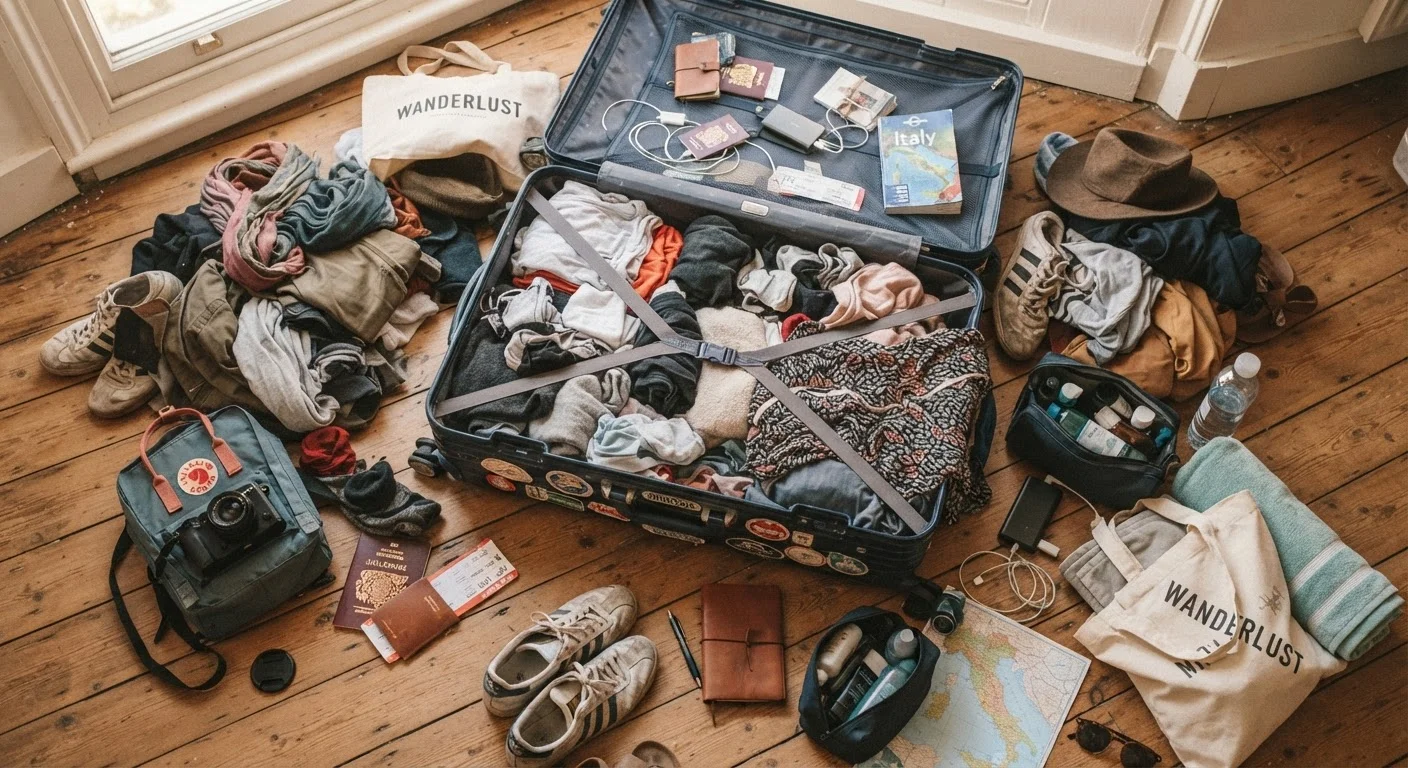
Photo: FaqsBay.com | Trending Blogs, Top Genres editorial
Key Takeaways
- Most overpacking stems from worst-case-scenario thinking, not actual trip needs.
- Packing for every possible outfit occasion leads to decision fatigue and baggage fees.
- Toiletries, shoes, and 'just in case' items are the most common culprits of bloated bags.
- A shorter, more intentional packing list leads to faster airport experiences and less stress.
- Most destinations allow you to buy or access forgotten items locally.
The Real Reason Your Bag Is Always Too Heavy
Overpacking isn't a logistical problem — it's a psychological one. Most travelers aren't packing for the trip they're actually taking; they're packing for every version of that trip that could theoretically happen. A sudden black-tie event. A week of cold rain in a warm-weather destination. A medical situation requiring every OTC remedy known to humanity.
The result is a 50-pound bag for a four-day city break. And once you're hauling it through a crowded airport or up four flights of European stairs, the regret is immediate.
The fix isn't a specific packing list — it's a shift in how you make packing decisions. If you're also prone to over-scheduling once you arrive, our guide on building a trip itinerary that doesn't burn you out covers the same principle applied to your daily plans.
Baggage Fees Add Up Fast
The Most Common Overpacking Mistakes — and How to Fix Them
These six mistakes account for the vast majority of unnecessary weight in travelers' bags. Recognizing them is the first step; the fixes are genuinely simple once you know what you're looking for.
Packing for worst-case scenarios that almost never happen.
Bringing a different outfit for every single day without considering repeats.
Overstocking a personal toiletry kit with full-sized products.
Packing three or more pairs of shoes 'just in case.'
Duplicating items already available at your accommodation.
Starting to pack too early and adding items in a low-focus mindset.
For a broader look at what genuinely belongs in your bag — especially for road trips — see everything you should pack before leaving the driveway.
How to Audit Your List Before You Pack
Once you've built a packing list, treat it like a rough draft — not a final decision. Run every item through three quick questions:
- Do I have a confirmed plan that requires this? If it's speculative, cut it.
- Can I get this at my destination if I genuinely need it? If yes and it's not a specialty item, consider leaving it.
- Have I already packed something that does the same job? Duplicates are a quiet form of overpacking.
If you want to go further and ensure your essential items — documents, bookings, health prep — are actually covered, the pre-trip planning checklist for smarter travelers is a useful companion resource.
Don't Rely on 'I'll Buy It There'
Traveling with prescription medications adds another layer of planning that's easy to overlook. The overlooked logistics of traveling with medications covers documentation, storage, and what to verify before crossing borders.
And if you want to make carry-on-only travel a realistic goal — not just an aspiration — what it really takes to pack light for any trip lays out the principles that actually make it work.
~50%
Packed items never used on trips
Travel industry surveys consistently find that roughly half of what travelers pack goes unused — a strong case for paring down before you zip up.
2–3 pairs
Shoes most travelers pack vs. need
Footwear is routinely cited as the single heaviest category in checked luggage, yet most travelers report only actively using one or two pairs per trip.
The content provided on our blog site traverses numerous categories, offering readers valuable and practical information. Readers can use the editorial team’s research and data to gain more insights into their topics of interest. However, they are requested not to treat the articles as conclusive. The website team cannot be held responsible for differences in data or inaccuracies found across other platforms. Please also note that the site might also miss out on various schemes and offers available that the readers may find more beneficial than the ones we cover.