
The Complete Picture of Puppy Socialization

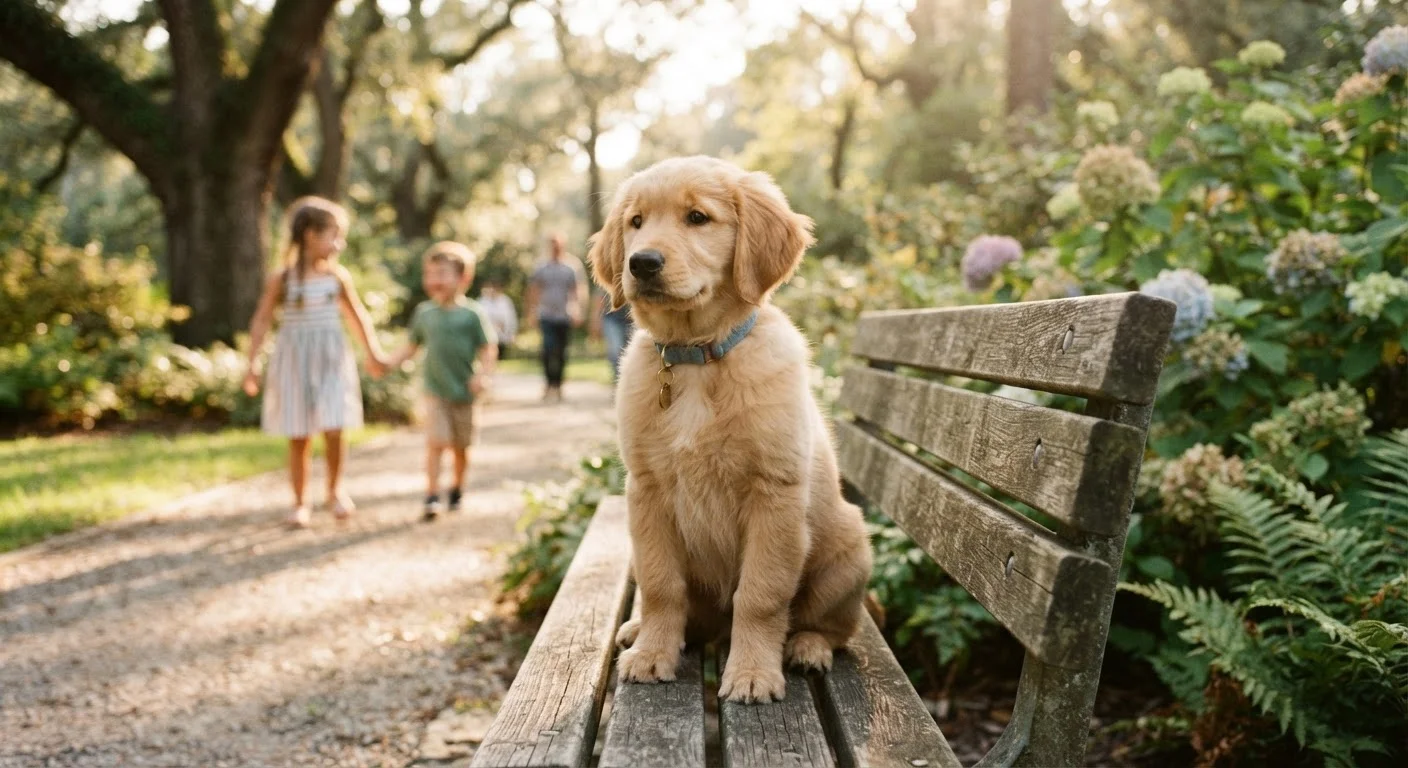
Photo: FaqsBay.com | Trending Blogs, Top Genres editorial
Key Takeaways
- The primary socialization window closes around 12–16 weeks — earlier than most owners expect.
- Quality of exposure matters more than quantity; one frightening experience can be counterproductive.
- Socialization means introducing stimuli gradually and pairing them with positive associations, not just exposure.
- Incomplete vaccination does not mean zero socialization — risk must be balanced against behavioral development.
- Socialization work continues past puppyhood, but early experiences form the most durable behavioral foundation.
Why the Socialization Window Matters
Canine behavioral research consistently identifies a sensitive period — roughly 3 to 12 weeks of age — during which a puppy's brain is uniquely primed to accept new experiences as normal. The American Veterinary Society of Animal Behavior (AVSAB) notes that this window begins narrowing well before most puppies even reach their new homes. By 16 weeks, the window has largely closed, meaning neural pathways associated with fear and novelty become significantly harder to override.
This timeline has a practical consequence: puppies who miss broad, positive exposure during this period are statistically more likely to develop fear-based behaviors, anxiety, and aggression as adults. Behavioral problems remain one of the leading reasons dogs are surrendered to shelters. Understanding the window isn't alarmist — it's the foundation of responsible early ownership.
See the first-year health and care roadmap for a broader look at the behavioral and medical milestones that run alongside socialization.
3–12 wks
Primary canine socialization window
Behavioral research identifies this as the peak sensitive period, after which fear responses become progressively harder to modify.
~50%
Of shelter surrenders linked to behavior problems
Multiple shelter intake studies indicate behavioral issues — many rooted in early experience deficits — are among the most common reasons for relinquishment.
16 weeks
Age by which socialization window largely closes
AVSAB guidance emphasizes that socialization should be actively prioritized before this age, even before vaccination is complete.
What Puppies Need to Experience
Socialization is not simply about meeting other dogs. A thorough socialization plan covers several distinct categories:
- People: Adults, children, people wearing hats, sunglasses, uniforms, and those using mobility aids. Varied appearance and movement matter.
- Animals: Other dogs of different sizes and energy levels, cats, and ideally other species your puppy may encounter in its life.
- Environments: Urban streets, suburban yards, tile floors, gravel, stairs, elevators, and moving vehicles at a distance.
- Sounds: Traffic, thunder recordings, vacuum cleaners, appliances, and crowd noise — introduced at low volume initially.
- Handling: Ear checks, paw touching, nail handling, and mouth inspections. This directly supports veterinary and grooming cooperation later.
- Alone time: Brief, positive separations teach a puppy that being alone is safe. This is relevant to preventing the patterns described in our article on separation anxiety in dogs.
Each category should be introduced at a pace the puppy can handle — watch for relaxed body language, curiosity, and willingness to engage as signs of comfort.
How to Socialize Safely and Effectively
The vaccination-versus-socialization dilemma is real, but solvable. AVSAB guidance supports beginning socialization before a puppy's full vaccine series is complete, provided settings are chosen carefully. Puppy classes held in cleaned, indoor facilities with health-screened dogs carry a low disease risk and a high behavioral benefit — a trade-off most veterinary behaviorists consider worthwhile.
Keep your first puppy class sessions short — 15 to 20 minutes of structured exposure is more effective than an hour of chaos. Puppies tire quickly, and a fatigued puppy stops learning and starts reacting.
Use a 'three-second rule' when introducing your puppy to strangers: allow the puppy to approach, observe for three seconds, then let it retreat if it chooses. Never force a greeting.
For outdoor settings, avoid areas with high dog traffic and unknown vaccination histories (dog parks, pet store entrances) until the vaccine series is complete. Carry the puppy in environments where ground contact is risky so exposure still happens without direct contact.
The pairing principle is central to effectiveness: every new experience should be linked to something the puppy already enjoys — a high-value treat, calm praise, or gentle play. Neutral or pleasant associations, repeated consistently, build the confidence that makes a dog resilient throughout its life. This approach aligns with the day-one training fundamentals that form the bedrock of a puppy's behavioral education.
Common Socialization Mistakes to Avoid
Well-intentioned owners can inadvertently set puppies back. The most common errors include:
- Flooding: Placing a puppy directly into an overwhelming situation — a crowded dog park, a loud event — and waiting for it to cope. This approach frequently triggers fear rather than acceptance.
- Reassuring fearful reactions: Soothing a frightened puppy with prolonged comfort can inadvertently reinforce the fearful response. Instead, redirect calmly and increase distance from the trigger.
- Skipping handling practice: Puppies that are never routinely touched on their paws, ears, or mouths often become difficult to examine at the vet — a manageable problem that compounds over years.
- Treating socialization as a one-time task: A single puppy class is not sufficient. Frequent, varied, low-intensity exposures across the entire sensitive period build durable confidence.
Avoid Forcing Your Puppy Through Fear
When planning multi-pet households, the guide to introducing a new pet to a resident animal offers structured protocols that complement early socialization work.
Socialization Beyond the Critical Period
The close of the sensitive period does not mean behavioral development stops. Adolescent dogs (roughly 6–18 months) continue to process social information, and ongoing exposure to varied environments prevents previously learned confidence from eroding through disuse. Regular, positive outings, continued handling practice, and training classes all serve to maintain and deepen what early socialization established.
For puppies adopted after the window has closed — older rescues, undersocialized dogs — desensitization and counter-conditioning protocols can still produce meaningful improvement, though progress typically requires more time and professional guidance. A certified applied animal behaviorist or veterinary behaviorist is the appropriate resource in those cases.
Socialization also intersects with nutrition — a puppy under chronic nutritional stress may show blunted learning capacity. Our guide to puppy-through-senior nutrition covers what developmental feeding should look like. Similarly, preparing your home before your puppy arrives sets the physical environment that makes early socialization safer and more manageable.
This article provides general educational information about canine behavioral development and is not a substitute for guidance from a licensed veterinarian or certified animal behaviorist. Consult a qualified professional for advice specific to your puppy's health and behavioral needs.
The content provided on our blog site traverses numerous categories, offering readers valuable and practical information. Readers can use the editorial team’s research and data to gain more insights into their topics of interest. However, they are requested not to treat the articles as conclusive. The website team cannot be held responsible for differences in data or inaccuracies found across other platforms. Please also note that the site might also miss out on various schemes and offers available that the readers may find more beneficial than the ones we cover.