
Your New Pet's First Year: A Health and Care Roadmap

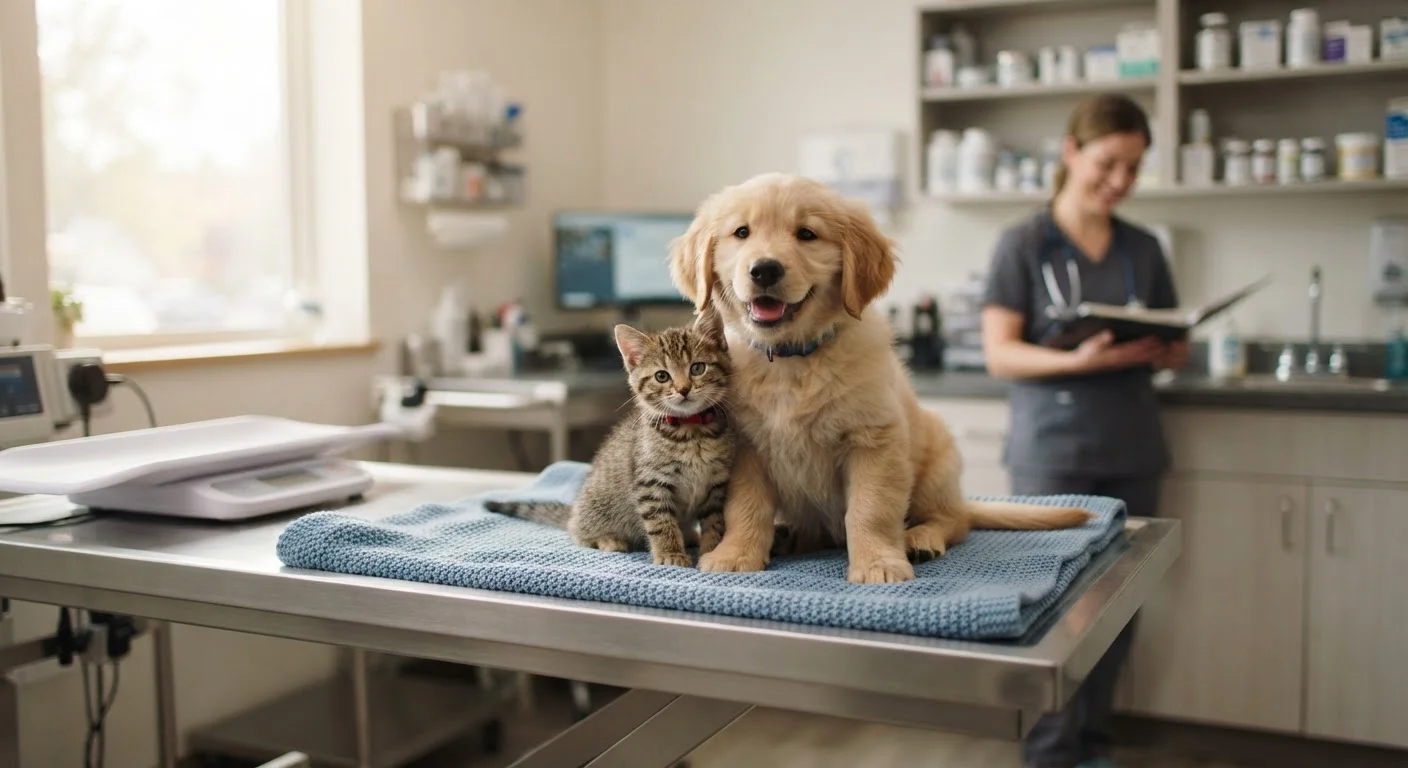
Photo: FaqsBay.com | Trending Blogs, Top Genres editorial
Key Takeaways
- Schedule a veterinary exam within the first week of bringing a new pet home.
- Core vaccines follow a specific schedule during the first year — missing them has real health consequences.
- Life-stage nutrition matters: puppies and kittens need different formulas than adult animals.
- The first 12–16 weeks are a critical socialization window for dogs and cats.
- Early, consistent training shapes behavior that lasts a lifetime.
- Routine preventive care — parasite control, dental checks, spay/neuter — saves money and improves outcomes.
The First Vet Visit: What to Expect
Bringing a new pet home is exciting, but the single most important action you can take in those first days is scheduling a veterinary exam. A vet will perform a full physical assessment, screen for intestinal parasites, check for congenital abnormalities, and review the pet's health records from the breeder, shelter, or rescue. This visit also establishes a baseline — a record of your pet's weight, heart rate, and overall condition that future visits will reference.
Bring any paperwork you received at adoption, including vaccination records and deworming history. Be prepared to describe your pet's diet, activity level, and any behavioral observations you've already made. Your vet will likely discuss spay or neuter timing, flea and tick prevention, and the vaccination schedule going forward. This is also the right moment to ask about pet insurance coverage, which can significantly reduce the financial burden of unexpected illness during that unpredictable first year.
Core vaccines
Vaccines recommended for all pets of a given species, regardless of lifestyle, because the diseases they prevent are widespread or severe. Examples include parvovirus for dogs and panleukopenia for cats.
AAFCO
The Association of American Feed Control Officials — a US body that sets nutritional standards for pet foods. A food labeled as meeting AAFCO standards for 'growth' has been formulated or tested for puppies and kittens.
Socialization window
A developmentally sensitive period early in a pet's life when positive experiences most effectively shape long-term behavior. Exposures during this time have an outsized influence on how the animal responds to the world as an adult.
Obligate carnivore
An animal that must obtain certain nutrients — like taurine — from animal-based foods because their bodies cannot synthesize them in adequate quantities. Cats are obligate carnivores; dogs are not.
Preventive care
Routine veterinary services — such as vaccinations, parasite control, and wellness exams — designed to prevent disease or catch problems early before they become serious.
Resource guarding
A behavior in which a pet becomes defensive or aggressive around food, toys, or spaces. It is common in young animals and manageable with early, consistent behavioral intervention.
Vaccinations and Preventive Care
Vaccines protect your pet from serious, often life-threatening diseases — and the first year involves the most concentrated schedule your pet will ever follow. For dogs, core vaccines include distemper, parvovirus, adenovirus, and rabies. For cats, the core set covers feline herpesvirus, calicivirus, panleukopenia, and rabies. Non-core vaccines — such as Bordetella for dogs or feline leukemia virus for cats — are recommended based on your pet's lifestyle and exposure risk.
The standard puppy and kitten series begins at 6–8 weeks and is given in 3–4 week intervals until 16 weeks, then followed by a booster at 12 months. Missing or delaying doses leaves a gap in protection during a vulnerable developmental period.
Preventive care also includes monthly parasite control for fleas, ticks, and heartworm (where applicable). Intestinal parasites are extremely common in young animals; your vet will test a stool sample and recommend deworming as needed. Dental health is often overlooked at this stage, but starting toothbrushing habits early makes lifelong oral care far easier.
Keep a Health Journal for Your Pet
Nutrition in the First Year
Growth-stage nutrition is not optional — feeding an adult formula to a growing puppy or kitten can result in nutrient deficiencies that affect bone development, immune function, and organ health. Choose a food labeled as meeting AAFCO nutritional standards for growth or all life stages, and verify it suits your pet's species and expected adult size.
Large and giant breed puppies, for instance, require controlled calcium-to-phosphorus ratios to prevent developmental orthopedic disease. Kittens are obligate carnivores and need high animal-protein diets with adequate taurine. Portion sizes matter too — overfeeding during the first year is a common driver of obesity, which carries long-term health consequences.
Transition to a new food gradually over 7–10 days to avoid gastrointestinal upset. For comprehensive guidance on species-appropriate feeding, the Pet Nutrition & Diet hub offers in-depth, vet-informed resources across pet types.
Behavioral Milestones and Early Training
A pet's brain is remarkably plastic during the first months of life. For puppies, the socialization window — the period when positive experiences most durably shape behavioral responses — generally closes around 12–16 weeks. For kittens, it closes even earlier, around 7–9 weeks. Positive, low-stress exposures to people, surfaces, sounds, and other animals during these windows build resilience and reduce fear-based reactivity later on.
Training should begin immediately, not after the pet has "settled in" for a few weeks. Basic cues like sit, stay, and come — paired with reward-based reinforcement — establish communication and trust. Cats benefit from litter training confirmation, carrier acclimation, and scratch-post reinforcement in the first weeks. For a structured, species-by-species approach, see pet training from day one.
Separation anxiety, resource guarding, and excessive vocalization often emerge in the first year. Identifying and addressing these patterns early — ideally with guidance from a certified applied animal behaviorist or veterinary behaviorist — prevents them from becoming entrenched. Visit the Pet Training & Behavior hub for practical, evidence-based strategies.
Socialization, Safety, and Setting Routines
Consistency is the quiet engine behind a well-adjusted pet. Feeding at the same times each day, establishing a predictable sleep area, and using the same cues for commands all reduce anxiety and accelerate learning. Pets thrive on routine — and the habits you set in year one tend to persist.
Pet-proof your home before bringing a new animal in. Common household hazards include certain houseplants (many are toxic to cats and dogs), exposed electrical cords, small objects that can be swallowed, and unsecured trash. Outdoor safety means ensuring fencing is secure, preventing access to toxic garden chemicals, and keeping ID tags and microchip registration current.
The first year is also when your pet's temperament becomes clearer. Note any behavioral shifts, unusual fear responses, or physical changes and bring them up at scheduled wellness visits. As your pet approaches their first birthday and transitions into adulthood, their veterinary, nutritional, and behavioral needs will shift. Looking ahead, senior pet care after age seven becomes relevant down the road — but the quality of care in year one directly influences how well pets age.
This article is for general informational and educational purposes only. It is not a substitute for professional veterinary advice, diagnosis, or treatment. Always consult a licensed veterinarian for guidance specific to your pet's health and circumstances.
Frequently Asked Questions
The content provided on our blog site traverses numerous categories, offering readers valuable and practical information. Readers can use the editorial team’s research and data to gain more insights into their topics of interest. However, they are requested not to treat the articles as conclusive. The website team cannot be held responsible for differences in data or inaccuracies found across other platforms. Please also note that the site might also miss out on various schemes and offers available that the readers may find more beneficial than the ones we cover.