
Introducing a New Pet to a Resident Animal

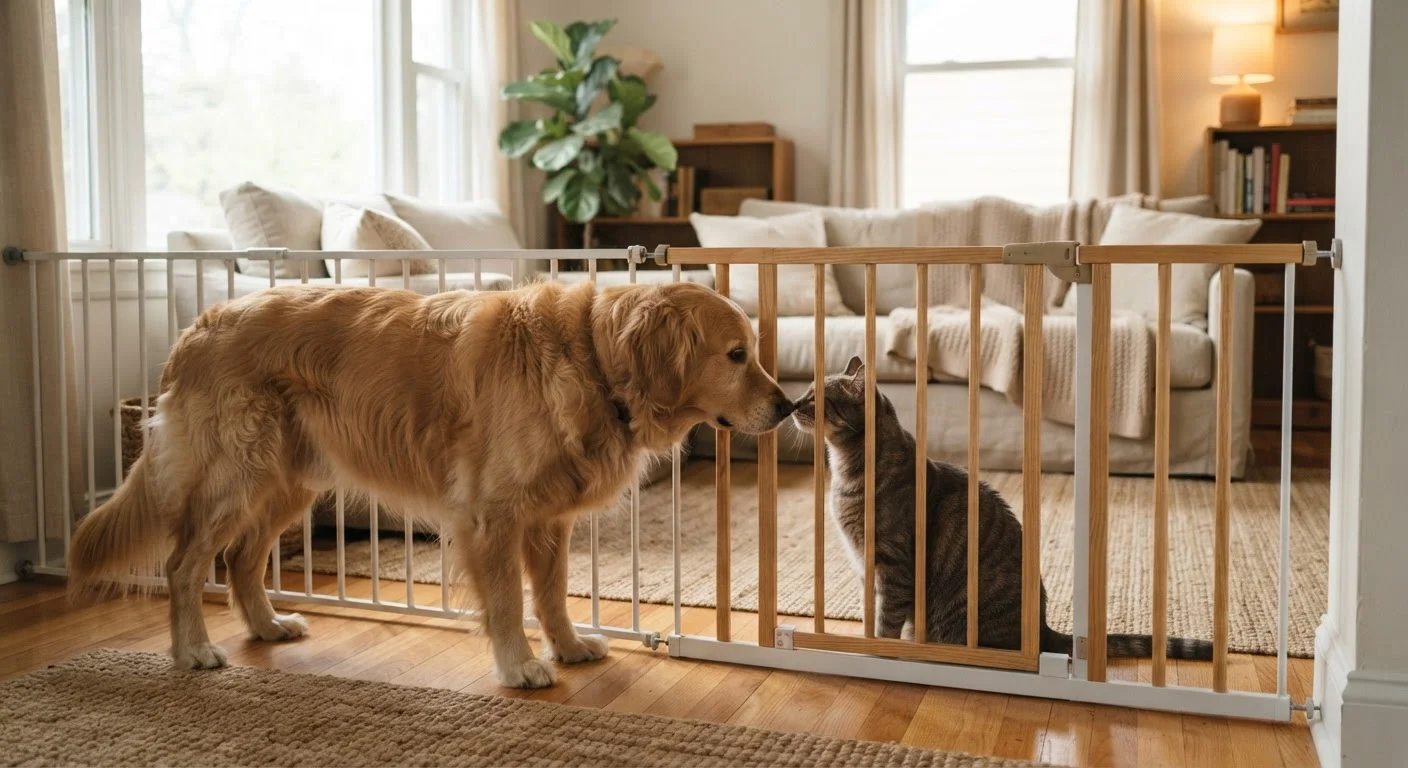
Photo: FaqsBay.com | Trending Blogs, Top Genres editorial
Key Takeaways
- Rushing an introduction is the most common mistake owners make — slow and steady reduces conflict.
- Scent swapping before any face-to-face contact is a proven, behaviorist-recommended first step.
- Each animal needs its own safe retreat space throughout the transition period.
- Positive reinforcement during introductions builds lasting calm associations between animals.
- Signs of stress or aggression should pause the process — regression is normal and manageable.
- Most healthy introductions take days to several weeks, not hours.
Why Introductions Fail — and How to Prevent It
Most multi-pet household conflicts trace back to a single avoidable cause: introductions that moved too fast. When animals are placed in direct contact before they have had time to process each other's scent, movement, and presence, the brain's threat-detection systems kick in — and first impressions shaped by fear or aggression are notoriously hard to reverse.
Animal behaviorists consistently recommend a phased approach rooted in desensitization and counter-conditioning. Rather than hoping two animals will simply "work it out," a structured introduction systematically lowers each animal's stress response while pairing the other's presence with calm or positive experiences. The result is a relationship built on neutral or positive associations rather than territorial conflict.
This checklist covers the full process — from preparing your home before the new pet arrives, through scent introduction, visual exposure, first contact, and long-term cohabitation management. It applies broadly to dog-dog, cat-cat, and dog-cat pairings, though the pace and specific methods will vary by species, individual temperament, and history. For guidance on what comes next after your animals have settled in together, see our pet training fundamentals guide.
Never Force Animals Together
Regression Is Normal — But Monitor Closely
How to Use This Checklist
Work through each group in order — the phases are designed to build on each other, and skipping ahead is the most common source of setbacks. Each item is labeled by priority: must items are non-negotiable for a safe introduction, should items are strongly recommended for most situations, and nice-to-have items add value but are genuinely optional.
Gather your tools and supplies before the new pet arrives so the environment is set up correctly from day one. Most healthy introductions between two animals with no prior aggression history take anywhere from a few days to several weeks of gradual exposure. If your resident animal is a senior pet, keep in mind that older animals often need additional time and more conservative pacing — for guidance on their specific needs, the senior pet care guide offers useful context.
Parasite and Health Screening Comes First
This checklist focuses on social introduction. Once your new pet is settled and coexisting calmly, you may also want to address their nutritional needs — our new pet diet checklist walks through food selection and transition step by step.
Baby gate or pet barrier
Creates a physical boundary that allows scent and visual exposure without enabling direct contact during early introduction stages.
Separate bedding sets
Used for scent-swapping exercises so each animal can safely familiarize themselves with the other's smell before meeting.
High-value treats
Paired with the presence of the other animal during introductions to build positive associations using classical conditioning.
Standard leash and flat collar or harness
Keeps dogs under calm, loose control during the first off-barrier meetings without causing fear or restriction.
Exercise pen or playpen
Provides a portable, adjustable barrier option useful for controlled visual introductions in different rooms or outdoor spaces.
Calming pheromone diffuser
Species-specific synthetic pheromone products (such as feline facial pheromone or dog appeasing pheromone analogs) may help reduce ambient stress; discuss use with your veterinarian first.
The Checklist
Use the checklist below to track your progress at each phase. Check off items as you complete them, and resist the urge to advance to the next group until both animals are consistently relaxed with the current level of exposure.
Before the New Pet Arrives
Scent Introduction Phase
Controlled Visual Introduction
First Shared-Space Meeting
Ongoing Management and Integration
This article is for general informational purposes only and does not constitute veterinary or behavioral advice. Always consult a licensed veterinarian or certified animal behaviorist for guidance specific to your pets' health, history, and temperament.
The content provided on our blog site traverses numerous categories, offering readers valuable and practical information. Readers can use the editorial team’s research and data to gain more insights into their topics of interest. However, they are requested not to treat the articles as conclusive. The website team cannot be held responsible for differences in data or inaccuracies found across other platforms. Please also note that the site might also miss out on various schemes and offers available that the readers may find more beneficial than the ones we cover.