
Raw Diets for Dogs and Cats: Weighing the Evidence

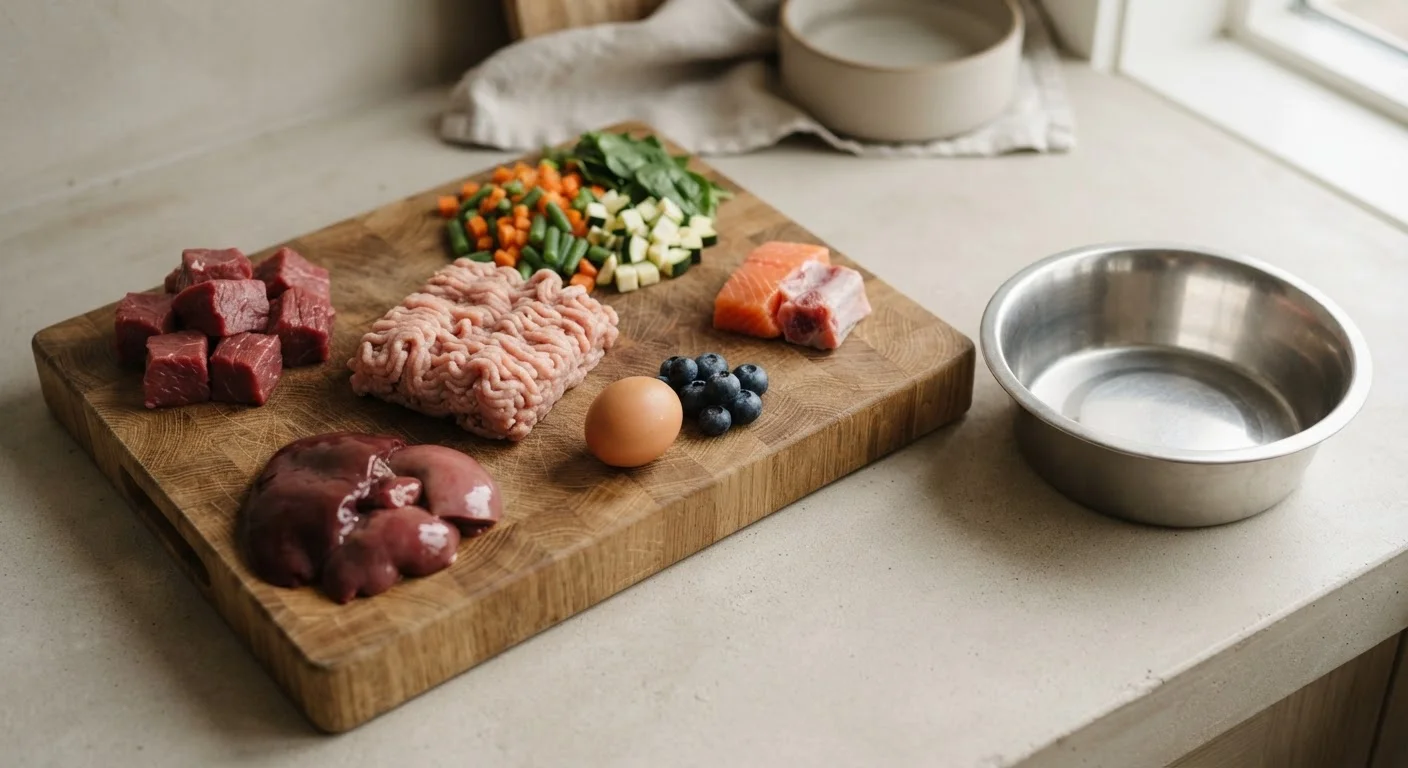
Photo: FaqsBay.com | Trending Blogs, Top Genres editorial
Key Takeaways
- Raw diets may offer some benefits but carry real, documented risks including bacterial contamination.
- Major veterinary organizations do not currently recommend raw feeding due to safety concerns.
- Nutritional imbalances are common in home-prepared raw diets without expert formulation.
- Household members and immunocompromised individuals can be exposed to pathogens from raw pet food.
- Always consult a veterinary nutritionist before making significant changes to your pet's diet.
Higher moisture content supports urinary health
Raw meat is naturally high in moisture, which can contribute to better hydration — particularly relevant for cats, who have a low thirst drive and are prone to urinary tract issues on dry-food-only diets.
Fewer artificial additives and fillers
Raw diets, when well-constructed, can avoid the artificial preservatives, colors, and starchy fillers sometimes found in lower-quality commercial foods, which some owners prefer for transparency.
High bioavailable animal protein
Uncooked animal proteins retain their native amino acid structures, and some proponents argue this improves digestibility — though robust comparative studies in companion animals are still limited.
Potential improvements in coat and stool quality
Many owners report firmer stools and improved coat condition after switching to raw, likely reflecting reduced fiber and filler intake; however, these outcomes are largely anecdotal rather than clinically validated.
Greater owner awareness of ingredients
Preparing or sourcing raw food encourages owners to scrutinize what their pets eat, which can lead to more informed dietary decisions overall.
Documented risk of bacterial contamination
Multiple studies have detected Salmonella, Listeria, and E. coli in commercial and home-prepared raw pet foods. These pathogens can infect pets and spread to humans through contact with food, bowls, or pet feces.
Nutritional imbalances are extremely common
Peer-reviewed analyses of home-prepared raw diet recipes — including those published online — have found that the large majority fail to meet established nutrient requirements for dogs or cats.
Risk of parasites in uncooked meat
Raw meat can harbor parasites including Toxoplasma gondii and Neospora caninum; freezing reduces but does not eliminate all parasitic risk, and some parasites pose zoonotic (transmissible to humans) concern.
Bone-related injury hazards
Whole and crushed raw bones carry risks of dental fractures, gastrointestinal perforation, and obstruction; these injuries can be serious and may require emergency veterinary intervention.
Significantly higher cost than standard kibble
Commercially prepared raw diets are often several times more expensive per meal than well-formulated dry or wet foods, making long-term raw feeding a substantial financial commitment.
Not recommended for immunocompromised pets
Pets undergoing chemotherapy, those with chronic illness, or very young and senior animals are at heightened risk from the pathogen load in raw food and are typically advised to avoid raw diets entirely.
Public health risk extends to human household members
Children, elderly adults, pregnant individuals, and immunocompromised people sharing a home with a raw-fed pet face elevated exposure risk through environmental contamination even without direct contact with the food.
What Raw Diets Actually Are
Raw feeding — often called a BARF diet (Biologically Appropriate Raw Food, or Bones and Raw Food) — typically consists of uncooked muscle meat, organ meat, raw meaty bones, eggs, and sometimes raw fruits or vegetables. Commercial frozen raw and freeze-dried raw products also fall under this umbrella. The premise is that minimally processed food more closely resembles what dogs and cats ate before domestication.
It's worth understanding the key distinction: home-prepared raw diets are assembled by owners from whole ingredients, while commercial raw diets are manufactured products that may or may not be tested for pathogens or nutritional adequacy. These two categories carry different — though overlapping — risk profiles. The discussion here covers both. For context on how raw compares with another hands-on feeding style, see our home-cooked pet meals overview.
The Case for Raw Feeding
Proponents point to several potential benefits, many of which are reported anecdotally by owners or observed in limited studies. It's important to note that high-quality, peer-reviewed evidence is still relatively sparse in this area.
Higher moisture content supports urinary health
Raw meat is naturally high in moisture, which can contribute to better hydration — particularly relevant for cats, who have a low thirst drive and are prone to urinary tract issues on dry-food-only diets.
Fewer artificial additives and fillers
Raw diets, when well-constructed, can avoid the artificial preservatives, colors, and starchy fillers sometimes found in lower-quality commercial foods, which some owners prefer for transparency.
High bioavailable animal protein
Uncooked animal proteins retain their native amino acid structures, and some proponents argue this improves digestibility — though robust comparative studies in companion animals are still limited.
Potential improvements in coat and stool quality
Many owners report firmer stools and improved coat condition after switching to raw, likely reflecting reduced fiber and filler intake; however, these outcomes are largely anecdotal rather than clinically validated.
Greater owner awareness of ingredients
Preparing or sourcing raw food encourages owners to scrutinize what their pets eat, which can lead to more informed dietary decisions overall.
Some research does suggest that certain minimally processed diets may support digestive health markers, and cats — as obligate carnivores — have a metabolic architecture that is particularly protein-focused. Our article on species-specific nutritional differences explains why this distinction matters when evaluating any diet.
The Risks: What the Evidence Shows
The documented concerns around raw diets are where the veterinary consensus is clearest and most consistent.
Documented risk of bacterial contamination
Multiple studies have detected Salmonella, Listeria, and E. coli in commercial and home-prepared raw pet foods. These pathogens can infect pets and spread to humans through contact with food, bowls, or pet feces.
Nutritional imbalances are extremely common
Peer-reviewed analyses of home-prepared raw diet recipes — including those published online — have found that the large majority fail to meet established nutrient requirements for dogs or cats.
Risk of parasites in uncooked meat
Raw meat can harbor parasites including Toxoplasma gondii and Neospora caninum; freezing reduces but does not eliminate all parasitic risk, and some parasites pose zoonotic (transmissible to humans) concern.
Bone-related injury hazards
Whole and crushed raw bones carry risks of dental fractures, gastrointestinal perforation, and obstruction; these injuries can be serious and may require emergency veterinary intervention.
Significantly higher cost than standard kibble
Commercially prepared raw diets are often several times more expensive per meal than well-formulated dry or wet foods, making long-term raw feeding a substantial financial commitment.
Not recommended for immunocompromised pets
Pets undergoing chemotherapy, those with chronic illness, or very young and senior animals are at heightened risk from the pathogen load in raw food and are typically advised to avoid raw diets entirely.
Public health risk extends to human household members
Children, elderly adults, pregnant individuals, and immunocompromised people sharing a home with a raw-fed pet face elevated exposure risk through environmental contamination even without direct contact with the food.
What Major Veterinary Bodies Currently Say
Organizations including the American Veterinary Medical Association (AVMA) and the American Animal Hospital Association (AAHA) have published position statements discouraging the feeding of raw or undercooked animal proteins to pets, citing public health and animal health risks. These are not fringe views — they reflect a review of available safety evidence.
Nutritional adequacy is a separate but equally serious concern. Studies analyzing home-prepared raw diets have repeatedly found that the majority are deficient in one or more essential nutrients. Without formulation by a board-certified veterinary nutritionist, owners often unknowingly feed unbalanced meals over months or years. If you're considering supplementing to fill gaps, our guide to pet supplements outlines where evidence does and doesn't support their use.
How It Compares to Other Feeding Approaches
Raw feeding exists on a spectrum alongside other feeding choices. Well-formulated commercial kibble and wet food meet established nutritional standards set by bodies such as the Association of American Feed Control Officials (AAFCO). That doesn't make them perfect — processing does affect some nutrient profiles — but it does mean nutritional completeness is systematically tested. For a direct comparison of those options, see our kibble vs. wet food breakdown.
74%
Home-prepared raw recipes with nutritional deficiencies
A 2019 study published in the Journal of Nutritional Science found that nearly three-quarters of home-prepared raw dog diet recipes analyzed were deficient in multiple essential nutrients.
~20–30%
Commercial raw products testing positive for pathogens
Various studies and regulatory surveys have found pathogen contamination rates in commercial raw pet food products ranging from roughly 20 to 30 percent, depending on the pathogen and product type.
Cost is another practical consideration. Raw diets — especially commercially prepared ones — tend to be substantially more expensive per meal than standard kibble. Owners drawn to the transparency of knowing exactly what's in their pet's food can achieve some of that goal without raw-feeding risks. Our budget-conscious pet feeding guide covers evidence-based ways to prioritize quality without premium price tags.
Making an Informed Decision
If you're seriously considering a raw diet for your dog or cat, the single most important step is consulting a board-certified veterinary nutritionist (Diplomate of the American College of Veterinary Nutrition). Generic online recipes — even those that appear professionally designed — frequently fail to meet AAFCO nutrient profiles. A nutritionist can formulate a diet specific to your pet's species, life stage, and health status.
Strict food-handling hygiene is non-negotiable. This means treating raw pet food with the same precautions as raw meat for human consumption: dedicated cutting boards, thorough handwashing, and careful management of surfaces and storage. Households with young children, pregnant individuals, elderly family members, or anyone with a compromised immune system face elevated risk and should weigh that seriously.
This article is for general informational purposes only and does not constitute veterinary or medical advice. Always consult a licensed veterinarian or board-certified veterinary nutritionist before making changes to your pet's diet.
The content provided on our blog site traverses numerous categories, offering readers valuable and practical information. Readers can use the editorial team’s research and data to gain more insights into their topics of interest. However, they are requested not to treat the articles as conclusive. The website team cannot be held responsible for differences in data or inaccuracies found across other platforms. Please also note that the site might also miss out on various schemes and offers available that the readers may find more beneficial than the ones we cover.