
Protein Sources in Pet Food: A Field Guide

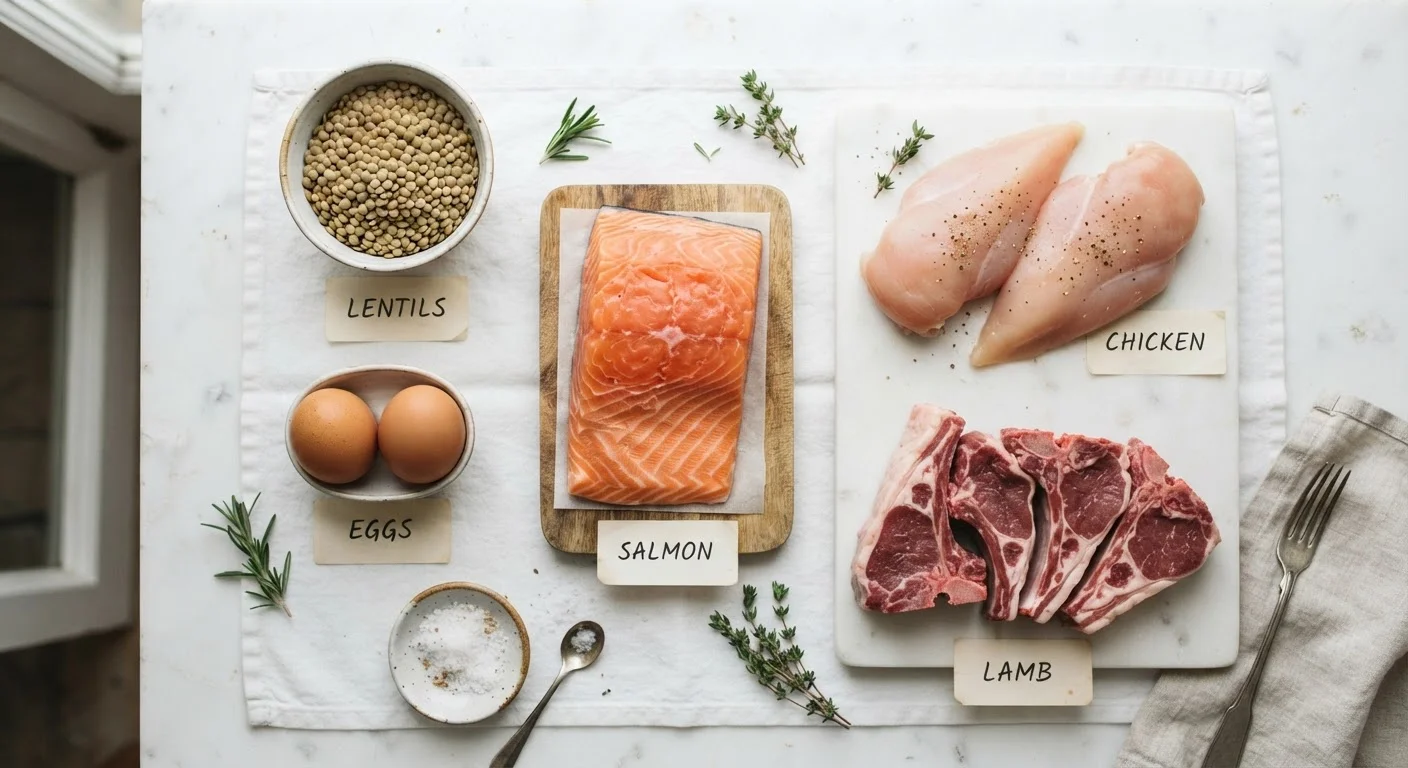
Photo: FaqsBay.com | Trending Blogs, Top Genres editorial
Why Protein Source Matters More Than Just Protein Percentage
The guaranteed analysis on a pet food bag tells you the minimum crude protein percentage — but it says nothing about where that protein comes from or how well your pet can actually use it. Two foods listing 30% protein can deliver very different nutritional outcomes depending on the amino acid profile and digestibility of their protein sources.
Proteins are built from amino acids. Dogs require 10 essential amino acids; cats require 11, including taurine, which they cannot synthesize adequately on their own. Not every protein source supplies all of these in the right proportions, which is why protein quality matters alongside quantity. For deeper context on how labels present this information, see what pet food labels are actually telling you.
| Essential amino acids (dogs) | 10 (National Research Council, Nutrient Requirements of Dogs and Cats) |
| Essential amino acids (cats) | 11, including taurine (National Research Council, Nutrient Requirements of Dogs and Cats) |
| Protein digestibility range | 60–90%+ depending on source and processing (Generally accepted veterinary nutrition references) |
| Moisture in fresh chicken (pre-cooking) | Approximately 70–75% (USDA Food Data Central) |
| Protein in chicken meal (dry matter) | Approximately 65% (Standard industry composition reference) |
Common Animal-Based Protein Sources Decoded
Animal proteins are generally considered complete proteins — they supply all essential amino acids in proportions that closely match a pet's physiological needs. Here is what specific terms on ingredient lists actually mean:
- Chicken / beef / lamb (fresh or whole): Named whole meats before processing. High moisture content means the actual protein contribution after cooking is lower than it appears by weight — a factor called the moisture dilution effect.
- Chicken meal / salmon meal: Rendered, moisture-removed versions of a single named protein source. Pound for pound, meals deliver more concentrated protein than fresh meat and are a legitimate, nutrient-dense ingredient despite their less appealing name.
- Meat byproducts: Organ meats, bone, and other parts excluded from human cuts. Named byproducts (e.g., chicken liver) are nutritionally valuable; generic "meat byproducts" offer less transparency about the source.
- Fish and fish meal: Rich in omega-3 fatty acids alongside protein. Quality varies significantly by species and sourcing.
- Egg product: Highly digestible, excellent amino acid profile. Often used to complement other protein sources.
Named sources — those that specify the animal (chicken, salmon, lamb) — give you far more information than generic terms like "poultry" or "animal protein." Reading ingredient lists critically can help you spot the difference.
Crude protein
A laboratory measurement of total nitrogen content in food, used to estimate protein level. It reflects quantity, not quality or digestibility.
Meat meal
A rendered, dried protein concentrate made from a named animal source with most moisture removed. It provides more concentrated protein by weight than fresh meat.
Biological value (BV)
A measure of how efficiently a protein source's amino acids are absorbed and used by the body. Higher BV indicates better utilization.
Taurine
An amino acid essential for cats that must be supplied through diet. Found primarily in animal tissues; cats cannot synthesize adequate amounts on their own.
Rendering
A heat-based processing method that separates fat from protein and removes moisture from animal tissue, producing concentrated meal ingredients.
AAFCO
The Association of American Feed Control Officials. It sets nutritional profiles and labeling standards used as a benchmark for commercial pet foods sold in the US.
Plant-Based Proteins: What They Contribute and Where They Fall Short
Plant proteins — including peas, lentils, chickpeas, potato protein, and soy — appear in many commercial pet foods, sometimes as primary protein contributors. They are not inherently harmful, but they carry important caveats for carnivore physiology.
For dogs, plant proteins can form part of a balanced diet when formulated carefully to cover all essential amino acids. For cats, whose metabolism is adapted to animal-source nutrition, heavy reliance on plant proteins raises more significant questions — particularly around taurine adequacy and digestibility.
One practical concern: high levels of legume-based proteins have been under regulatory scrutiny in relation to dilated cardiomyopathy (DCM) in dogs. Research is ongoing and causation has not been established, but it is a reasonable factor to raise with your veterinarian when evaluating food choices.
This article provides general nutritional information and is not a substitute for veterinary advice. Consult your veterinarian before making significant changes to your pet's diet.
How to Evaluate Protein Quality When Comparing Foods
No single number on the label tells the whole protein quality story. Use these practical checkpoints instead:
- Named protein in the first ingredient: Look for a specific named animal source — not a generic blend — near the top of the ingredient list.
- Multiple protein sources: A food drawing protein from whole meat plus a meal plus egg product is likely covering amino acid requirements more comprehensively than one relying on a single source.
- AAFCO nutritional adequacy statement: Confirms the food is formulated to meet established minimum nutrient profiles for your pet's life stage. It does not guarantee optimal quality but is a meaningful baseline. See our guide on reading pet food labels without the guesswork for a full breakdown of what AAFCO statements actually mean.
- Avoid over-relying on crude protein percentage: High percentages inflated by poorly digestible sources provide less usable nutrition than moderate percentages from high-quality animal proteins.
If you are considering preparing meals at home, understand that balanced protein coverage is achievable but requires careful planning — home-cooked pet meals carry real nutritional risks if not formulated with veterinary nutritionist guidance.
The content provided on our blog site traverses numerous categories, offering readers valuable and practical information. Readers can use the editorial team’s research and data to gain more insights into their topics of interest. However, they are requested not to treat the articles as conclusive. The website team cannot be held responsible for differences in data or inaccuracies found across other platforms. Please also note that the site might also miss out on various schemes and offers available that the readers may find more beneficial than the ones we cover.