
Native Plants for US Home Gardens: Regional Benefits and Considerations

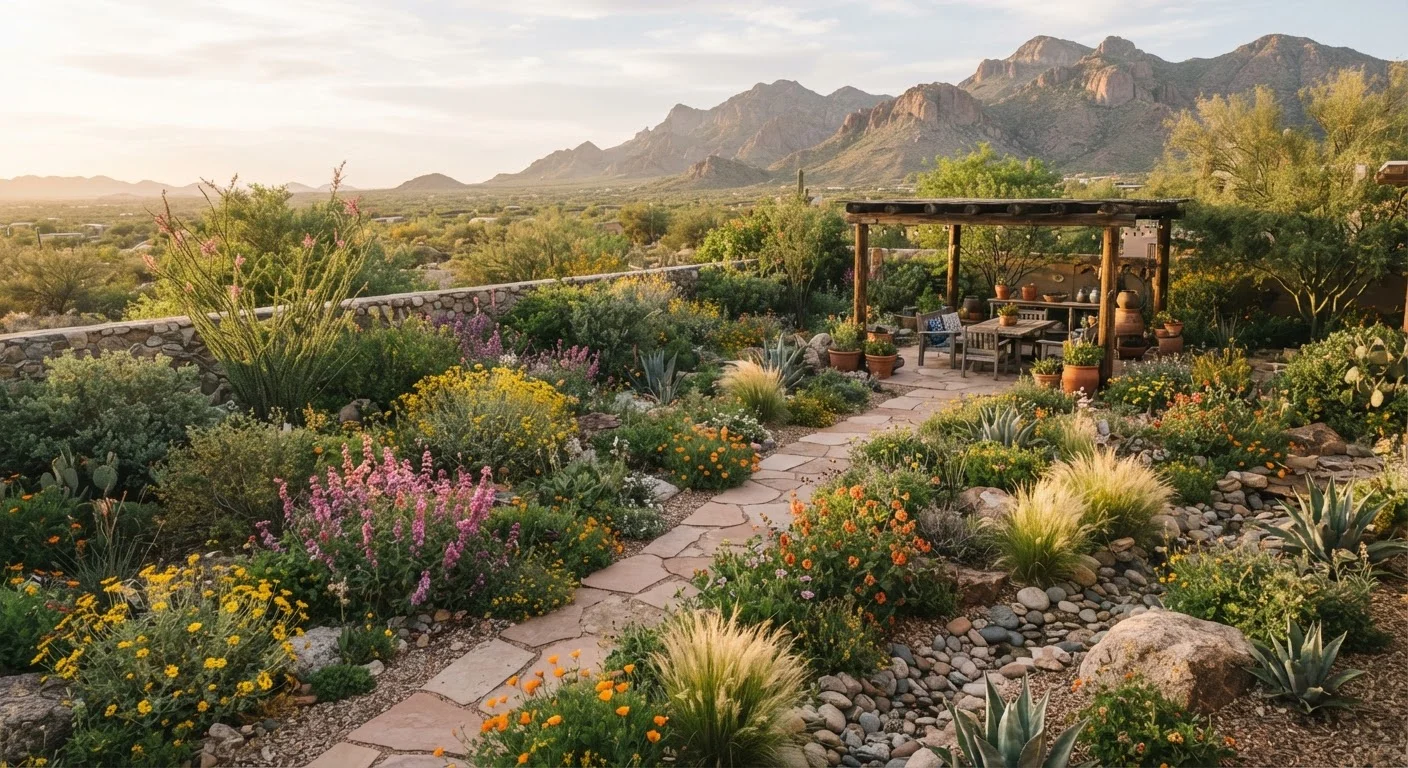
Photo: FaqsBay.com | Trending Blogs, Top Genres editorial
Key Takeaways
- Native plants are adapted to local soils and climates, reducing the need for supplemental watering and fertilizers.
- Regional variation matters — a plant native to the Pacific Northwest may not thrive in the Southeast.
- Native gardens actively support local pollinators, birds, and beneficial insects.
- Initial sourcing and establishment can require patience and upfront planning.
- Mixing natives with existing landscapes requires research to avoid introducing invasive lookalikes.
Reduced water needs once established
Native plants are adapted to local precipitation patterns, meaning they typically require little to no supplemental irrigation after their first year in the ground.
Minimal fertilizer or soil amendment needed
Because natives evolved in local soils, they don't generally require the nutrient amendments that exotic species often demand to perform well.
Strong support for local wildlife and pollinators
Native plants have co-evolved with regional insects, birds, and other wildlife, making them far more valuable as habitat and food sources than non-native ornamentals.
Greater resilience to local pests and disease
Many native plants have developed natural defenses against region-specific pests, reducing the need for chemical pesticide intervention over time.
Lower long-term maintenance requirements
Once established, a well-chosen native garden generally requires less pruning, spraying, and replanting than gardens built around non-native species.
Slow establishment period in the first season
Native perennials in particular spend their first year developing root systems rather than producing showy above-ground growth, which can look underwhelming initially.
Limited or inconsistent availability at nurseries
True native cultivars can be harder to source than common exotic ornamentals, and mislabeling at garden centers means buyers need to verify provenance carefully.
Requires region-specific research before planting
A native plant in one US region can be a non-native — or even invasive — in another, so generic gardening advice doesn't always translate across state lines.
Some natives spread aggressively if unchecked
Certain native species — like wild ginger or some native mints — spread vigorously by rhizome and may outcompete other garden plants without periodic management.
What Counts as a Native Plant?
A native plant is one that evolved naturally in a specific region before European settlement — without human introduction. In practice, this means a plant is considered native relative to a defined geography: a species native to the tallgrass prairies of Illinois is not necessarily native to the Georgia Piedmont, even though both are in the US.
This distinction matters when making garden decisions. Many nurseries use terms like "wildflower" or "natural" loosely, so it's worth confirming that a plant is genuinely indigenous to your ecoregion. Resources such as the USDA PLANTS Database or your state's native plant society are reliable starting points. For broader landscaping context, the complete homeowner's lawn care reference also covers plant-soil compatibility that applies here.
Cultivars vs. True Natives: Know the Difference
The Advantages of Going Native
The ecological and practical case for native plants is well-supported. Here's a breakdown of the key benefits homeowners commonly experience:
Reduced water needs once established
Native plants are adapted to local precipitation patterns, meaning they typically require little to no supplemental irrigation after their first year in the ground.
Minimal fertilizer or soil amendment needed
Because natives evolved in local soils, they don't generally require the nutrient amendments that exotic species often demand to perform well.
Strong support for local wildlife and pollinators
Native plants have co-evolved with regional insects, birds, and other wildlife, making them far more valuable as habitat and food sources than non-native ornamentals.
Greater resilience to local pests and disease
Many native plants have developed natural defenses against region-specific pests, reducing the need for chemical pesticide intervention over time.
Lower long-term maintenance requirements
Once established, a well-chosen native garden generally requires less pruning, spraying, and replanting than gardens built around non-native species.
70%
Water savings compared to conventional lawns
The EPA estimates that conventional landscape irrigation accounts for nearly one-third of residential water use, and native plant gardens can significantly reduce that demand.
4x
More native bee species supported vs. non-native landscapes
Research from the Xerces Society and associated university studies has consistently found that native plantings attract substantially more pollinator diversity than exotic ornamental plantings.
Native plants also tend to integrate well with other sustainable practices. Pairing them with proper mulching — covered in our guide on mulching garden beds — helps retain soil moisture during the establishment phase and suppresses weeds that compete with new plantings.
Real Limitations to Consider
Native gardening is not without its challenges. Understanding these upfront helps set realistic expectations and leads to better outcomes.
Slow establishment period in the first season
Native perennials in particular spend their first year developing root systems rather than producing showy above-ground growth, which can look underwhelming initially.
Limited or inconsistent availability at nurseries
True native cultivars can be harder to source than common exotic ornamentals, and mislabeling at garden centers means buyers need to verify provenance carefully.
Requires region-specific research before planting
A native plant in one US region can be a non-native — or even invasive — in another, so generic gardening advice doesn't always translate across state lines.
Some natives spread aggressively if unchecked
Certain native species — like wild ginger or some native mints — spread vigorously by rhizome and may outcompete other garden plants without periodic management.
Irrigation during the first growing season is often necessary while root systems establish — the comparison of drip irrigation and sprinkler systems is a useful resource for choosing a targeted, water-efficient approach for that transitional period.
Planning a Regional Native Garden
Success with native plants depends heavily on matching species to your specific region. The US spans dozens of distinct ecoregions, each with different rainfall patterns, soil types, and seasonal temperatures.
- Northeast & Mid-Atlantic: Black-eyed Susans, eastern red columbine, and inkberry thrive in these variable climates.
- Southeast: Beautyberry, native azaleas, and switchgrass suit the humid, warm conditions.
- Midwest/Great Plains: Coneflowers, wild bergamot, and big bluestem grass are prairie staples.
- Southwest/Arid West: Desert marigold, agave, and native sages handle heat and dry spells well.
- Pacific Northwest: Red flowering currant, Oregon grape, and native ferns favor cool, moist conditions.
Consider how your native selections interact with each other, too. Some natives fix nitrogen in soil or attract specific pollinators that benefit nearby plants — a concept that overlaps with companion planting strategies worth exploring for mixed gardens.
The content provided on our blog site traverses numerous categories, offering readers valuable and practical information. Readers can use the editorial team’s research and data to gain more insights into their topics of interest. However, they are requested not to treat the articles as conclusive. The website team cannot be held responsible for differences in data or inaccuracies found across other platforms. Please also note that the site might also miss out on various schemes and offers available that the readers may find more beneficial than the ones we cover.