
Drip Irrigation vs. Sprinkler Systems for Home Gardens

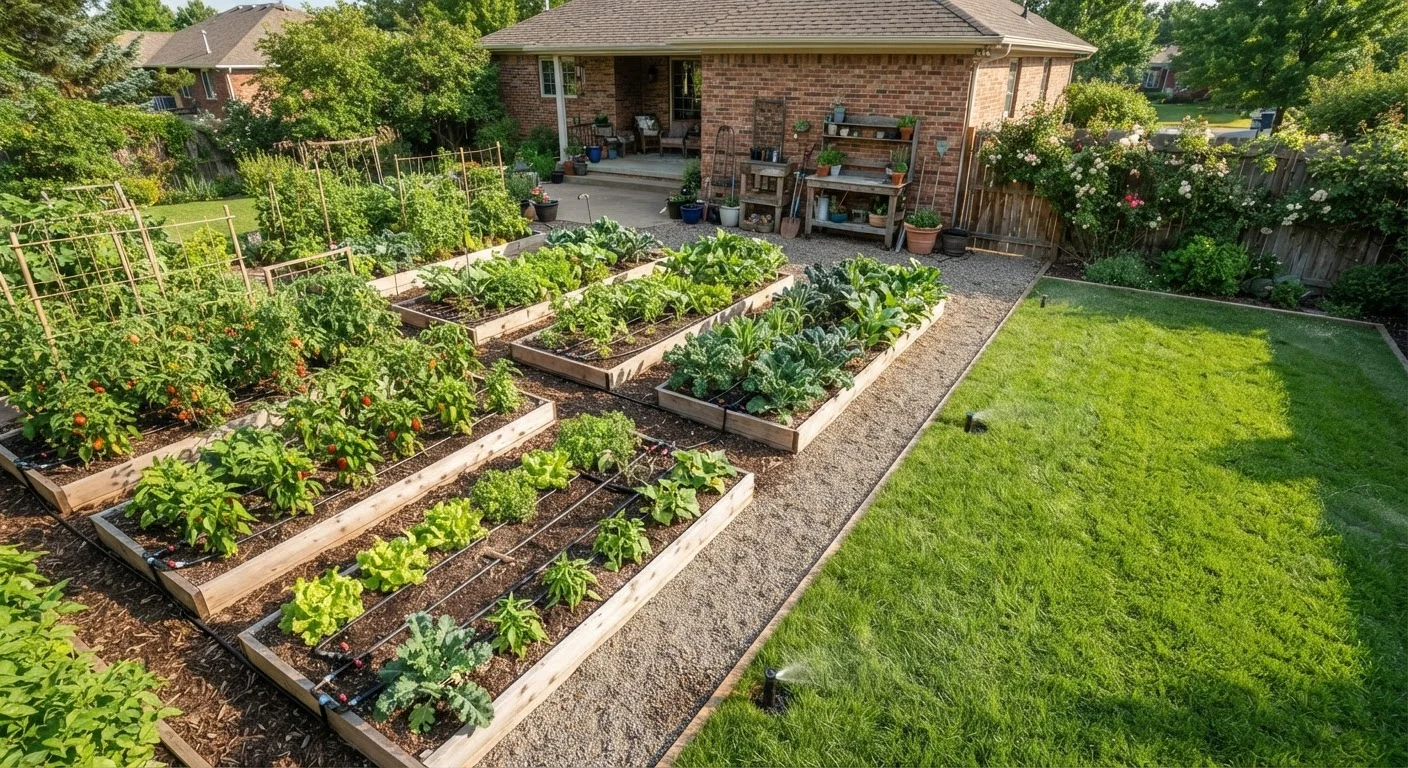
Photo: FaqsBay.com | Trending Blogs, Top Genres editorial
Key Takeaways
- Drip irrigation delivers water directly to root zones, significantly reducing evaporation and runoff compared to sprinklers.
- Sprinkler systems cover large areas quickly but are less efficient on slopes, windy sites, or densely planted beds.
- Drip systems typically require more upfront planning but lower ongoing water use; sprinklers are faster to install for lawns.
- Foliar diseases are more common with overhead sprinklers; drip keeps foliage dry, reducing fungal risk in vegetable gardens.
- Both systems can be automated with timers, but optimal scheduling differs significantly between the two approaches.
- Most homeowners with diverse yards benefit from using both systems in different zones rather than choosing just one.
How Each System Works
Understanding the mechanics of each system helps clarify why they perform so differently in the garden.
Drip irrigation delivers water through a network of flexible tubing and small emitters placed at or near the base of individual plants. Water seeps slowly and directly into the root zone, keeping the surrounding soil and foliage largely dry. Systems typically operate at low pressure and can be configured with emitters of different flow rates to match the needs of specific plants.
Sprinkler systems distribute water through pressurized heads that spray or rotate across a defined area. Pop-up heads are flush with the ground when idle and rise when the system activates — a practical design for lawns. Rotor heads cover wider radii, while fixed spray heads suit smaller zones. Both types deliver water overhead, meaning the entire plant surface and surrounding soil gets wet.
This fundamental difference — targeted delivery versus broadcast coverage — drives most of the practical distinctions between the two approaches. For a broader look at how watering method affects plant and lawn health, see common watering mistakes homeowners make.
Water Efficiency and Plant Health
Water efficiency is one of the clearest differentiators between these systems.
30–50%
Potential water savings with drip vs. sprinklers
The US Environmental Protection Agency (EPA) estimates drip irrigation can use 30–50% less water than conventional overhead irrigation in comparable garden applications.
50%
Outdoor water lost to inefficiency
According to the EPA's WaterSense program, roughly half of all outdoor residential water use is lost to evaporation, wind, or runoff due to inefficient irrigation.
Drip irrigation directs water to root zones with minimal waste. There is no overspray onto pavement or mulch paths, and because delivery is slow, the soil has time to absorb moisture before it can run off. On sloped terrain or in arid regions, this makes a meaningful practical difference to both water use and plant survival.
Sprinklers, by contrast, lose a meaningful share of water to evaporation — especially when running during warmer parts of the day. Wind can carry spray off-target. On uneven terrain, water pools in low spots and runs off high ones. For established turf grass, however, uniform overhead coverage is still the most practical way to keep an entire lawn evenly hydrated.
From a plant health perspective, drip has a clear advantage in vegetable and ornamental beds. Keeping foliage dry reduces the risk of fungal diseases such as powdery mildew and botrytis, which thrive when leaves stay damp overnight. If you are choosing plants that are already well-adapted to your region's natural rainfall patterns, native plants paired with drip irrigation can significantly lower your overall watering demand.
Installation, Cost, and Maintenance
Both systems involve upfront investment, though in different forms.
| Criterion | Drip Irrigation | Sprinkler Systems |
|---|---|---|
| Water efficiency | High — minimal evaporation and runoff | Moderate — overspray and evaporation losses |
| Best plant types | Vegetables, shrubs, trees, raised beds | Turf grass, ground covers, open beds |
| Installation complexity | Moderate — emitter layout planning required | Higher for in-ground; low for portable |
| Typical upfront cost | Lower for garden zones | Higher for full in-ground systems |
| Foliar disease risk | Low — foliage stays dry | Higher — overhead wetting of leaves |
| Maintenance | Emitter flushing, tubing checks | Head adjustment, winterization needed |
| Automation compatibility | Yes — timers and sensors supported | Yes — timers and sensors supported |
Drip systems require more planning at the design stage — mapping emitter placement, calculating flow rates, and ensuring adequate pressure regulation. Emitters can clog over time and may need periodic flushing or replacement. Tubing exposed to sunlight degrades eventually, so placing lines under mulch extends their lifespan. That said, once a drip system is dialed in, day-to-day maintenance is minimal.
Sprinkler systems involve trenching for underground supply lines if you are installing a permanent in-ground setup. Professional installation is common for full-yard systems and may require permits in some localities — always check local codes before beginning any in-ground work. Above-ground oscillating sprinklers are a lower-cost alternative but lack the convenience of automation. In-ground heads can shift or break over time and require seasonal winterization in freezing climates to prevent pipe damage.
For a wider look at how these watering decisions fit into overall yard planning, the complete homeowner's lawn reference covers soil prep, grass types, and seasonal routines in detail.
Which System Fits Your Garden?
The honest answer for most homeowners with mixed yards is: both, in different zones.
Zoning Your Yard Is Worth the Planning Time
Use drip irrigation in vegetable beds, raised planters, fruit trees, shrubs, and perennial borders where precise delivery saves water and protects plant health. Pair it with a sprinkler system on your lawn, where broad overhead coverage is simply more practical for turf grass.
If you are starting fresh with a new planting area and weighing whether turf or alternative ground covers make sense, grass seed vs. sod can help you decide before you commit to an irrigation layout. The irrigation approach you choose should follow the plant type, not the other way around.
Automation helps both systems perform at their best. Smart timers and soil moisture sensors prevent both under- and over-watering — a common source of lawn and garden problems that common lawn myths often reinforce rather than correct. Whatever system you install, watering deeply and infrequently — rather than shallowly and often — encourages deeper root development and more drought-resilient plants over time.
The content provided on our blog site traverses numerous categories, offering readers valuable and practical information. Readers can use the editorial team’s research and data to gain more insights into their topics of interest. However, they are requested not to treat the articles as conclusive. The website team cannot be held responsible for differences in data or inaccuracies found across other platforms. Please also note that the site might also miss out on various schemes and offers available that the readers may find more beneficial than the ones we cover.