
Grass Seed vs. Sod: Which Approach Actually Works for Your Yard

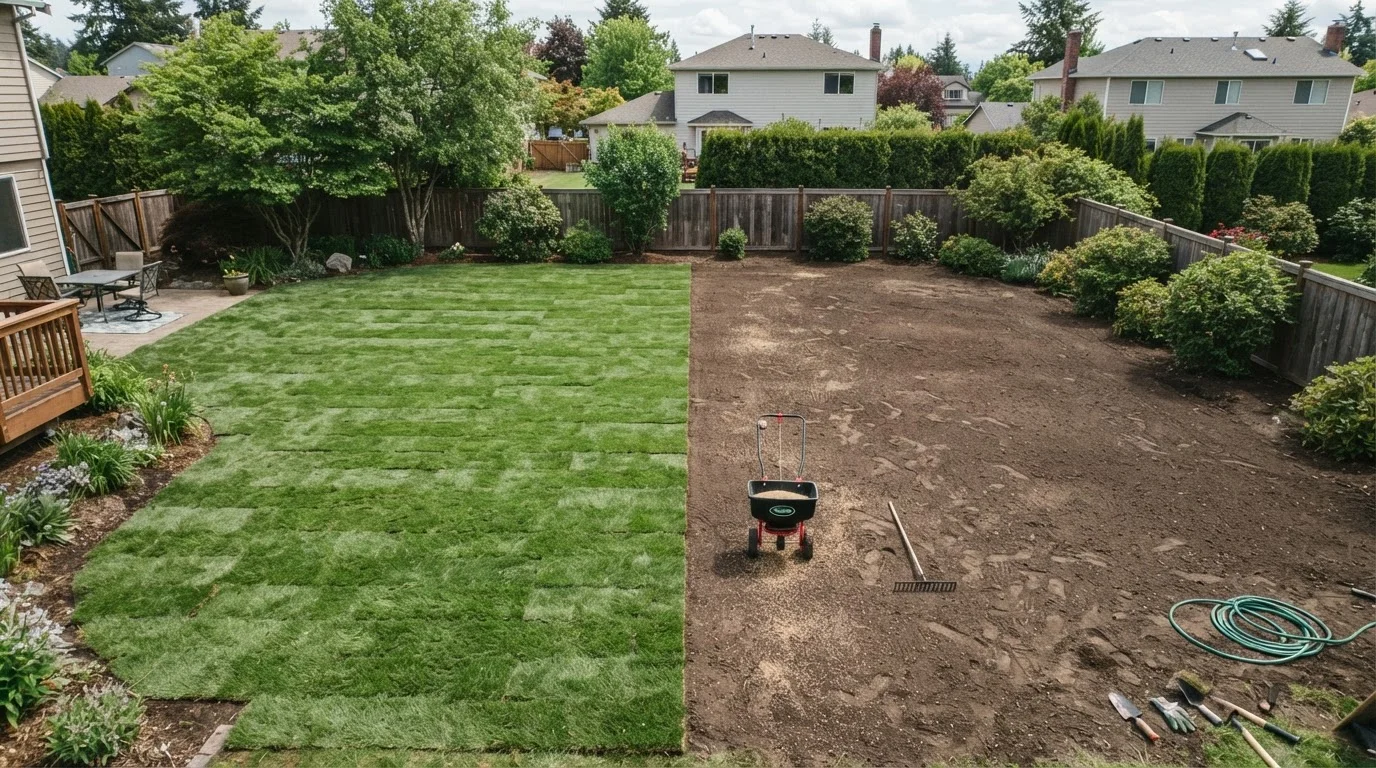
Photo: FaqsBay.com | Trending Blogs, Top Genres editorial
Key Takeaways
- Grass seed costs significantly less upfront but requires weeks to months before it becomes usable.
- Sod provides near-instant ground cover but comes at a substantially higher material and labor cost.
- Soil preparation is equally critical for both methods and should not be skipped.
- Timing matters: cool-season grasses seed best in fall; sod can be laid in most seasons with adequate water.
- Long-term lawn quality depends more on ongoing care than on which method was used to establish it.
Cost: The Gap Is Wider Than You Might Expect
Grass seed and sod diverge sharply on price. Seed typically runs from a few cents to around thirty cents per square foot depending on the grass species, while sod commonly ranges from forty cents to over a dollar per square foot for materials alone — and professional installation can double or triple that figure. For a 1,500-square-foot lawn, that cost difference can easily run into the thousands of dollars.
That said, seed isn't entirely without hidden costs. You may need a broadcast spreader or slice seeder (often rented), starter fertilizer, straw mulch for coverage, and a commitment to watering multiple times per day for the first several weeks. Factor in your time, water bill, and any equipment rental before assuming seed is always the cheaper path — though it usually still wins on total spend.
| Criterion | Grass Seed | Sod |
|---|---|---|
| Typical material cost | Low (cents per sq ft) | Moderate–high (40¢–$1+ per sq ft) |
| Time to usable lawn | 2–3 months | 2–4 weeks |
| Installation labor | Low–moderate (DIY-friendly) | High (heavy rolls, precise laying) |
| Grass variety options | Very wide selection | Limited to local availability |
| Erosion control | Poor until established | Immediate |
| Best planting season | Species-dependent (fall or spring) | Most seasons with irrigation |
| Watering intensity (first month) | Very high (multiple times daily) | High (daily until rooted) |
| Long-term lawn quality | Equal (maintenance-dependent) | Equal (maintenance-dependent) |
Timeline and Effort: Patience vs. Immediate Payoff
Sod's biggest advantage is speed. Within a day or two of installation, your yard looks finished. Most sod can handle light foot traffic in two to four weeks once roots knit into the underlying soil. Seed, by contrast, requires germination (typically seven to twenty-one days depending on species), then several more weeks of fragile establishment during which the lawn is essentially off-limits and highly vulnerable to foot traffic, birds, and uneven watering.
That establishment window is also where seed demands the most effort. Watering mistakes are especially damaging at this stage — letting seedlings dry out even briefly can kill germinating grass before it anchors. Sod still requires consistent watering in its first two to three weeks, but the consequences of minor lapses are less severe since the plant is already established.
Seeding in Fall: Why Timing Is Critical
Timing, Soil Prep, and Grass Type Selection
Regardless of method, soil preparation is non-negotiable. Loosen the top three to four inches of soil, remove debris and weeds, grade for drainage away from structures, and amend with compost if your soil is compacted or nutrient-poor. Skipping this step is one of the most common reasons new lawns fail — and it applies equally to seed and sod.
Timing depends on your grass type. Cool-season grasses (fescues, bluegrass, ryegrass) establish best when seeded in early fall across most of the US, when soil is still warm but air temperatures have dropped. Warm-season grasses (bermuda, zoysia, centipede) prefer late spring through early summer. Sod is more forgiving of timing but still requires heat and consistent irrigation to root properly — avoid laying sod in midsummer heat extremes or frozen ground. For more context on how grass types and seasonal care interact, see the complete homeowner's lawn reference.
Seed wins on variety: you can select cultivars bred for shade tolerance, drought resistance, or high traffic, whereas sod availability in your region is limited to what local growers produce. If your yard has challenging conditions, seed may give you a more targeted match.
Long-Term Results: Does It Matter How You Started?
Once either method is fully established — typically by the end of the first full growing season — the lawns are largely indistinguishable. Long-term lawn health depends far more on how you maintain it: mowing height, watering habits, fertilization, and aeration. Understanding common lawn myths can help you avoid the routines that waste effort and resources once your lawn is up and growing.
One genuine long-term consideration is root depth. Grass grown from seed develops roots that grow naturally into your specific soil from the start. Sod was grown in a different soil profile — usually a sandy growing medium — and its roots must transition into your native soil. In most cases this transition happens without issue, but on problematic soils (heavy clay, for example), root integration can be slower. Proper soil prep before laying sod reduces this risk considerably.
For fertilization strategy once your lawn matures, understanding the difference between organic and synthetic fertilizers can help you make an informed choice for your soil type and maintenance goals.
~10×
Cost difference: sod vs. seed per sq ft
General industry estimates suggest sod materials alone cost roughly ten times more per square foot than comparable grass seed, before factoring in installation labor.
7–21 days
Typical grass seed germination window
Germination speed varies widely by species — perennial ryegrass germinates in as few as five to seven days, while Kentucky bluegrass can take up to three weeks under ideal conditions.
2–4 weeks
Time for sod to root into native soil
University extension guidelines generally indicate sod roots into underlying soil within two to four weeks when properly watered, though full knitting may take longer in clay-heavy soils.
The content provided on our blog site traverses numerous categories, offering readers valuable and practical information. Readers can use the editorial team’s research and data to gain more insights into their topics of interest. However, they are requested not to treat the articles as conclusive. The website team cannot be held responsible for differences in data or inaccuracies found across other platforms. Please also note that the site might also miss out on various schemes and offers available that the readers may find more beneficial than the ones we cover.