
Common Lawn Myths That Waste Time and Water

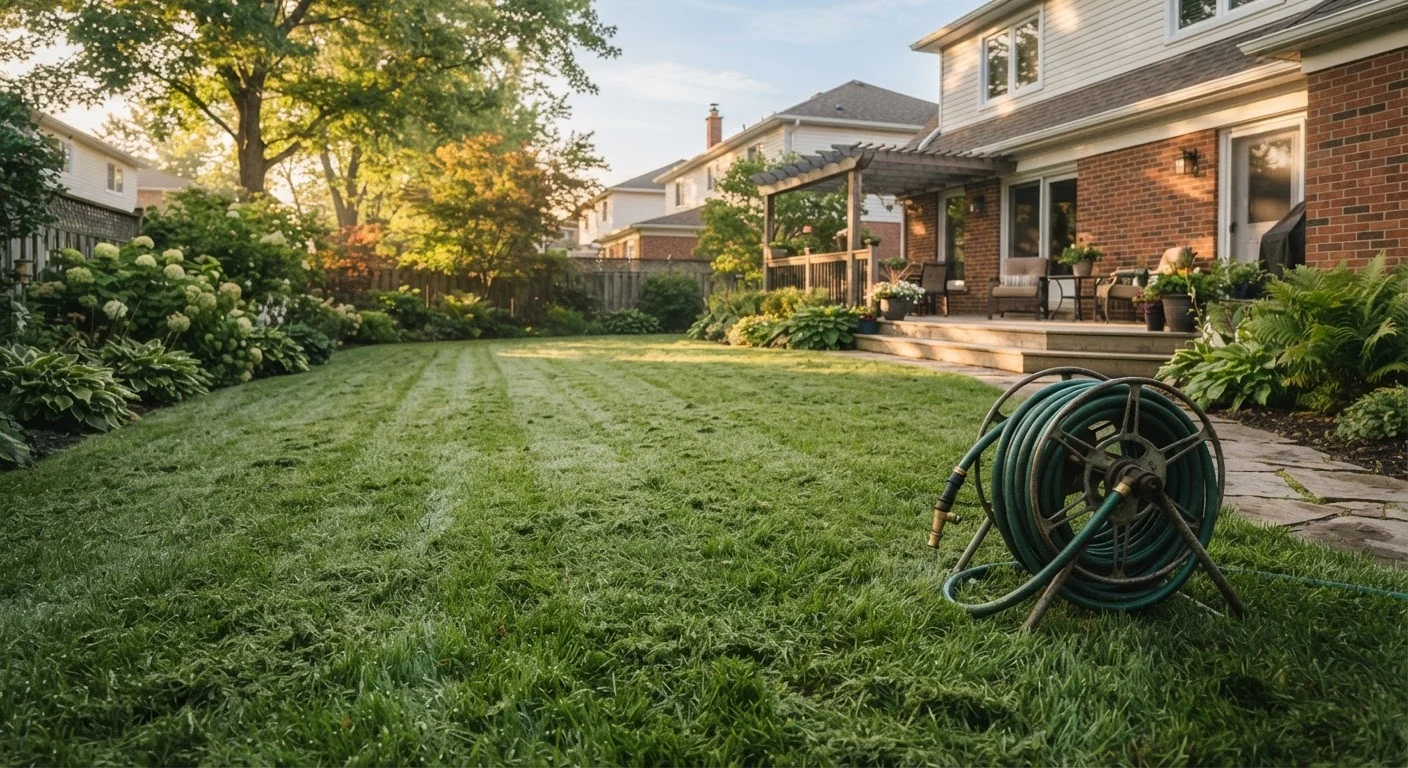
Photo: FaqsBay.com | Trending Blogs, Top Genres editorial
Key Takeaways
- Cutting grass very short ('scalping') stresses roots and encourages weeds, not a healthier lawn.
- Grass clippings left on the lawn return nutrients to the soil and do not cause thatch buildup.
- Watering deeply and infrequently promotes stronger, deeper root systems than daily light watering.
- More fertilizer does not mean greener grass — overfertilizing can burn turf and pollute waterways.
- Lawn care myths cost homeowners real time, money, and water every season.
Why Lawn Myths Persist — and Why They Matter
Lawn care advice gets passed down through neighborhoods like family recipes — well-intentioned, often repeated, and sometimes completely wrong. The problem is that acting on bad information has real consequences: wasted water, stressed grass, higher water bills, and lawns that never quite thrive despite all the effort.
Most myths stick around because they contain a grain of logic — or because they worked for someone once, in a specific climate, with a specific grass type. But lawn science has evolved considerably, and the research-backed answers are often the opposite of conventional wisdom. The myth-busting guide below covers the most common misconceptions so you can stop working against your lawn and start working with it.
For a full seasonal framework, see our year-round lawn care calendar.
Myth
Cutting grass as short as possible means you won't have to mow as often.
Fact
Scalping your lawn removes most of the leaf blade, which the grass uses for photosynthesis — it stresses roots, invites weeds, and often forces you to mow more frequently as the lawn struggles to recover.
Grass plants store energy in their leaf blades. When you remove too much at once — a common guideline is to never cut more than one-third of the blade length in a single mowing — the plant diverts resources from root development to emergency regrowth. Shallow, stressed roots are more vulnerable to drought, disease, and weed encroachment. Keeping grass at a slightly taller height shades the soil surface, which actually suppresses weed germination and retains soil moisture.
Myth
Grass clippings left on the lawn cause thatch and should always be bagged.
Fact
Grass clippings are mostly water and decompose quickly. They do not meaningfully contribute to thatch, which is primarily made up of stems, roots, and other woody plant material.
Thatch is a layer of partially decomposed organic matter — mainly lignin-rich stems and roots — that builds up between the soil surface and the green grass blades. Freshly cut leaf blades are composed of roughly 80–85% water and break down rapidly when left on the lawn. Bagging clippings routinely removes a free source of nitrogen and organic matter. If clippings are very thick due to infrequent mowing, raking or mowing again to disperse them is a better solution than permanent bagging.
Myth
Watering a little every day keeps grass green and healthy.
Fact
Frequent, shallow watering trains roots to stay close to the surface, making grass more vulnerable to drought and heat stress.
When water is available at the soil surface daily, grass roots have little incentive to grow deeper in search of moisture. The result is a shallow root system that wilts quickly when watering stops or temperatures spike. Deep, infrequent watering — applying enough to penetrate 6–8 inches into the soil — encourages roots to follow the water downward, building drought resilience over time. Early morning watering is also preferable to evening, as it allows leaf blades to dry before nightfall, reducing fungal disease risk.
Myth
Applying more fertilizer gives you a greener, thicker lawn faster.
Fact
Overfertilizing — especially with fast-release nitrogen — can burn grass, promote disease, and contribute to nutrient runoff into local waterways.
High concentrations of nitrogen salts draw moisture out of grass roots through osmosis, producing the brown, scorched patches homeowners sometimes call "fertilizer burn." Excess fertilizer that isn't absorbed also washes into storm drains, contributing to algae blooms in local ponds and waterways. Most lawns need far less fertilizer than manufacturers' labels suggest as a maximum. A soil test takes the guesswork out of the equation and helps you apply only what the lawn actually needs.
Myth
Brown grass in summer is dead and needs to be replaced.
Fact
Many cool-season grass species enter summer dormancy when stressed by heat and drought — the roots remain alive, and the lawn typically greens up again with cooler temperatures or consistent rainfall.
Dormancy is a survival mechanism, not a death sentence. Cool-season grasses such as Kentucky bluegrass and fine fescues naturally slow growth and lose color when summer heat peaks. As long as the crown of the plant (the growing point just above the soil) remains intact, the grass can recover. Allowing a lawn to go dormant rather than forcing it to stay green with heavy summer watering is often a more resource-efficient strategy. However, dormant lawns should still receive occasional deep watering (roughly once every two to three weeks) during extended dry spells to keep crowns and roots viable.
Myth
You only need to water after it visibly wilts or turns a dull color.
Fact
Waiting until grass shows clear stress signs means the roots have already been under significant moisture pressure — proactive, scheduled watering is more effective than reactive watering.
Visible wilting — a blue-gray tint or footprints that stay compressed — indicates the grass is already under meaningful stress. While the lawn can recover from occasional wilting, consistently waiting for stress signals before watering trains shallow roots and keeps the plant in a cycle of drought stress and recovery. Monitoring local rainfall totals and supplementing as needed, rather than waiting for distress cues, produces a more consistently healthy lawn. A simple rain gauge is an inexpensive tool that removes the guesswork.
Smarter Watering and Mowing Habits to Adopt
Correcting these myths points toward a simpler, more effective routine. Here's what the evidence actually supports:
~50%
Of residential water use dedicated to landscaping
The U.S. Environmental Protection Agency estimates that landscape irrigation accounts for nearly half of residential outdoor water use, much of it wasted through inefficient practices.
25%
Nitrogen returned to lawn via grasscycling
University cooperative extension research suggests that returning clippings to the lawn through regular grasscycling can supply roughly 25% of a lawn's annual nitrogen needs.
1–1.5 in.
Weekly water needed by most established lawns
Most turfgrass specialists recommend 1 to 1.5 inches of water per week, including rainfall, delivered in one or two deep sessions rather than daily light applications.
- Mow at the right height for your grass type. Cool-season grasses like tall fescue generally do best at 3–4 inches; warm-season grasses like bermuda can be kept shorter. When in doubt, stay in the upper third of your grass's recommended range.
- Leave clippings where they fall. A mulching mower chops clippings finely so they decompose quickly. This is sometimes called "grasscycling" and can meaningfully reduce the amount of nitrogen fertilizer your lawn needs.
- Water deeply, not daily. Most established lawns need roughly 1 to 1.5 inches of water per week, including rainfall. Delivering that in one or two sessions encourages roots to chase moisture downward rather than stay shallow. See common watering mistakes homeowners make for more detail.
- Test your soil before fertilizing. An inexpensive soil test — available through many cooperative extension offices — tells you exactly what your lawn is lacking. This prevents wasteful over-application and targets your investment where it counts.
Over-Watering Is the Leading Lawn Mistake
If you're weighing a lawn renovation, our seed vs. sod comparison walks through the real-world tradeoffs of each approach. And for a deeper dive into building a healthy lawn from the ground up, visit our complete homeowner's lawn care reference.
The content provided on our blog site traverses numerous categories, offering readers valuable and practical information. Readers can use the editorial team’s research and data to gain more insights into their topics of interest. However, they are requested not to treat the articles as conclusive. The website team cannot be held responsible for differences in data or inaccuracies found across other platforms. Please also note that the site might also miss out on various schemes and offers available that the readers may find more beneficial than the ones we cover.