
Fall Lawn Prep: What to Do Before the First Frost

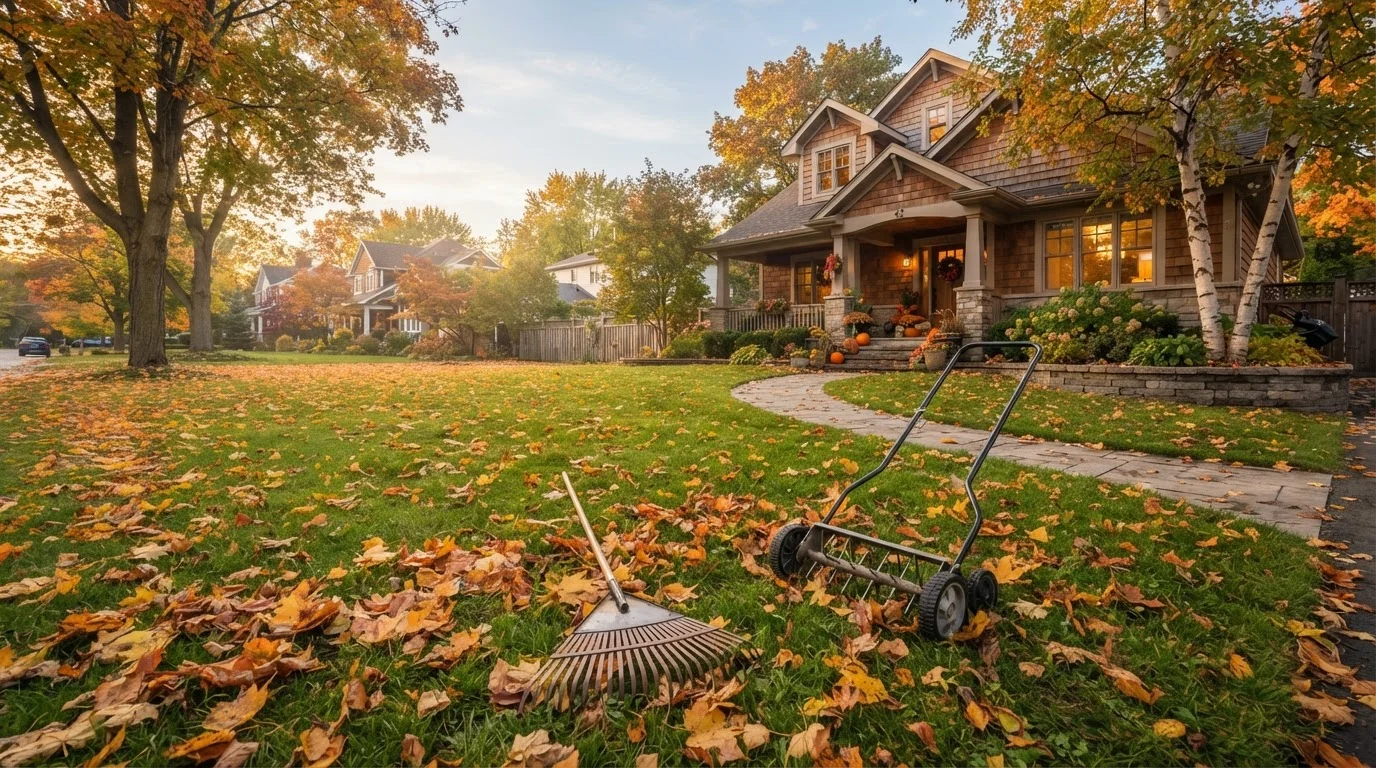
Photo: FaqsBay.com | Trending Blogs, Top Genres editorial
Key Takeaways
- Aerating compacted soil in fall improves root development before winter dormancy sets in.
- Overseeding cool-season grasses in early fall gives new seed time to establish before frost.
- A fall fertilizer application focused on phosphorus and potassium strengthens roots, not just blades.
- Clearing leaves and debris before the ground freezes prevents mold and disease from smothering grass.
- Mowing to the right height for your grass type before the last cut reduces winter damage.
- Timing matters: most fall lawn tasks should be completed 4–6 weeks before your expected first frost date.
Why Fall Is the Most Important Season for Lawn Care
Many homeowners pour energy into their lawns in spring and summer, then let things slide once temperatures cool. That's a missed opportunity. Fall — specifically the 6-week window before your region's first frost — is when cool-season grasses like Kentucky bluegrass, tall fescue, and perennial ryegrass are actively storing nutrients and growing roots. Warm-season grasses like Bermuda and zoysia, meanwhile, need to be wound down carefully so they enter dormancy in good shape.
Completing the right tasks now directly affects how quickly and fully your lawn bounces back in spring. For a full seasonal perspective on timing your lawn care efforts, see our year-round lawn care calendar.
Below you'll find every task worth doing before that first frost, organized by category. Work through them in roughly the order listed for the best results.
Core (plug) aerator
Removes small plugs of soil to relieve compaction and improve water and nutrient absorption — rentable from most hardware stores.
Broadcast or drop spreader
Distributes grass seed and granular fertilizer evenly across the lawn.
Soil pH test kit
Helps you determine whether lime or sulfur is needed before applying amendments.
Leaf rake or blower
Clears fallen leaves and debris that can smother grass and promote disease over winter.
Lawn mower with adjustable deck
Allows you to gradually lower cutting height for the season's final mows.
Garden hose with adjustable nozzle
Provides gentle, consistent watering for newly overseeded areas.
Compost or topdressing mix
Applied after aeration to improve soil structure and introduce organic matter.
Tools and Supplies You'll Need
Before you start, gather your equipment. Having everything ready means you can work through the checklist efficiently across one or two weekends rather than stopping and starting. See the tool list above for what to have on hand.
Soil & Aeration
Overseeding
Fertilizing
Mowing & Cleanup
Equipment Winterization
Critical Timing and Common Mistakes
The single biggest mistake homeowners make is starting too late. Overseeding within three weeks of your first frost date gives new grass almost no time to develop roots before the ground hardens. Check your local Cooperative Extension service or a regional weather resource for average first frost dates — they vary widely, from mid-September in northern Minnesota to late November in the Carolinas.
Don't Miss the Overseeding Window
Another frequent error is over-applying nitrogen fertilizer in fall. A high-nitrogen feed at this time of year forces lush top growth that becomes vulnerable to frost damage. Instead, choose a fall-specific formulation with a higher middle and last number on the label (phosphorus and potassium), which support root strength rather than blade growth. For more on fertilizer myths and watering habits that quietly undermine your effort, see common lawn myths worth knowing and what homeowners get wrong about watering.
Avoid Late-Season Nitrogen Applications
Putting It All Together
Think of fall lawn prep as an investment with a guaranteed spring return — not in terms of any specific outcome, but in the sense that a lawn entering winter in good condition consistently outperforms one that's been neglected. Compacted soil loosened by aeration, seed making root contact, and a clean surface free of smothering debris all give your grass the best possible start when temperatures rise again.
If you're also looking to expand your outdoor growing beyond grass, starting a vegetable garden from scratch covers the same principles of thoughtful seasonal preparation. And for an end-to-end lawn reference you can return to throughout the year, our complete homeowner's lawn care guide covers grass types, soil prep, and everything in between.
The content provided on our blog site traverses numerous categories, offering readers valuable and practical information. Readers can use the editorial team’s research and data to gain more insights into their topics of interest. However, they are requested not to treat the articles as conclusive. The website team cannot be held responsible for differences in data or inaccuracies found across other platforms. Please also note that the site might also miss out on various schemes and offers available that the readers may find more beneficial than the ones we cover.