
Decorating With Plants: Aesthetic Choices That Also Affect Maintenance

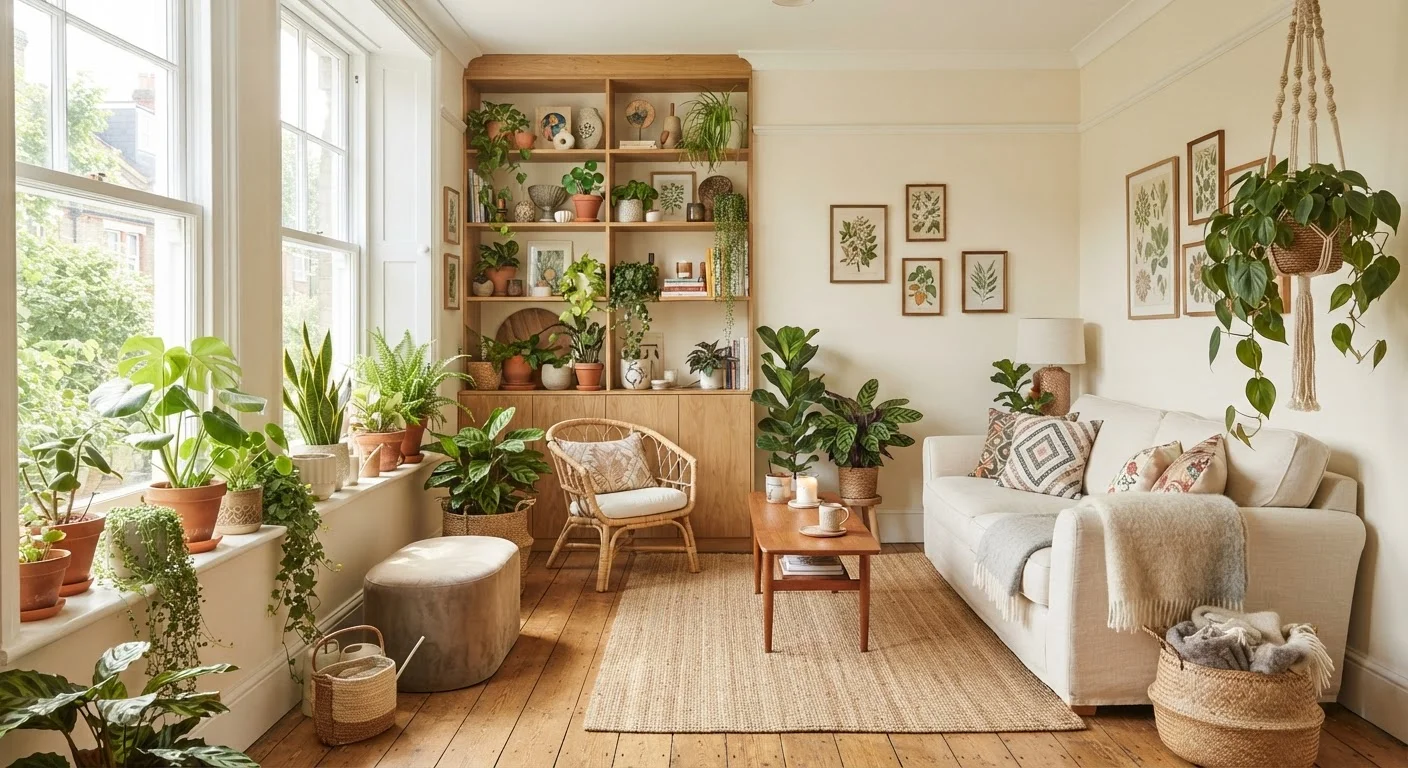
Photo: FaqsBay.com | Trending Blogs, Top Genres editorial
Key Takeaways
- Where you place a plant affects both its visual impact and how often you'll need to water and prune it.
- Low-light corners may look dramatic with tall plants, but limit your species options significantly.
- Grouping plants together improves humidity but also increases the risk of pests spreading.
- Elevated or hanging placements look striking but make routine watering and inspection harder.
- Matching plant species to actual light conditions — not just aesthetic preference — is the most reliable way to keep plants alive.
- Choosing the right container material affects soil moisture, weight, and how a plant fits a room's style.
Adds texture, color, and organic visual interest
Plants introduce shapes and hues that are difficult to replicate with manufactured décor items. A mix of leaf sizes and growth habits — trailing, upright, rosette — creates layered visual depth.
Can define or soften zones in open-plan spaces
A row of tall plants can act as a soft divider between a living area and a home office, creating a sense of separation without walls or heavy furniture.
Low cost relative to other décor elements
A healthy pothos or spider plant can be propagated from cuttings and shared among friends at no cost, making plants one of the most budget-accessible ways to refresh a room.
Adaptable to seasonal décor changes
Plants can anchor a room year-round while you swap surrounding décor elements for seasonal variety. See seasonal décor swap strategies for ideas on pairing plants with other rotating elements.
Naturally draws the eye to intended focal points
A well-placed statement plant — near a reading chair, flanking a fireplace — reinforces the room's intended gathering spots without requiring additional furniture.
Low-light placements drastically limit viable species
Dramatic corners and hallways that look ideal for a lush plant often lack the light most species need. Forcing a light-hungry plant into a dim spot almost always results in decline.
Trailing and hanging plants are harder to water consistently
Macramé hangers and ceiling hooks look striking, but watering a hanging plant without dripping on floors or furniture requires planning. Many people underwater these plants simply because access is inconvenient.
Grouping plants increases pest transmission risk
When one plant in a cluster develops spider mites or fungus gnats, the problem spreads quickly to neighbors. Aesthetically pleasing clusters require more vigilant inspection.
Large statement plants can overwhelm small rooms
A plant that looks proportionate in a showroom may dominate a smaller residential space. Overscaling plants is a common décor misstep — one flagged in our look at decorating myths that waste money.
Some aesthetically popular species are toxic to pets or children
Pothos, philodendrons, and peace lilies — all widely recommended for their looks — are toxic if ingested by cats, dogs, or small children. Placement must account for household safety, not just visual appeal.
Decorative containers without drainage cause root rot
Choosing a pot for its look rather than its function is one of the most common reasons healthy plants fail. A beautiful pot without drainage holes can quietly kill a plant over weeks.
Why Plant Placement Is a Décor and Care Decision at Once
Plants have become a staple of modern interior design — and for good reason. They add organic texture, soften hard edges, and bring color into spaces that feel flat. But unlike a throw pillow or a framed print, a plant is a living thing with real environmental needs. That means every placement decision is simultaneously an aesthetic choice and a maintenance commitment.
Before you position a large fiddle-leaf fig in a dim corner because it looks dramatic, it's worth knowing that same plant needs bright, indirect light to survive. Ignoring the mismatch doesn't just hurt the plant — it creates ongoing frustration and eventually a dead plant that has to be replaced. The good news: when you think through both dimensions at once, you end up with a space that looks intentional and plants that actually thrive.
If you're approaching a broader room refresh, the Room Refresh Checklist is a useful starting point before introducing new elements like plants.
The Pros of Decorating With Plants
When plant selection and placement are done thoughtfully, the benefits extend well beyond aesthetics.
Adds texture, color, and organic visual interest
Plants introduce shapes and hues that are difficult to replicate with manufactured décor items. A mix of leaf sizes and growth habits — trailing, upright, rosette — creates layered visual depth.
Can define or soften zones in open-plan spaces
A row of tall plants can act as a soft divider between a living area and a home office, creating a sense of separation without walls or heavy furniture.
Low cost relative to other décor elements
A healthy pothos or spider plant can be propagated from cuttings and shared among friends at no cost, making plants one of the most budget-accessible ways to refresh a room.
Adaptable to seasonal décor changes
Plants can anchor a room year-round while you swap surrounding décor elements for seasonal variety. See seasonal décor swap strategies for ideas on pairing plants with other rotating elements.
Naturally draws the eye to intended focal points
A well-placed statement plant — near a reading chair, flanking a fireplace — reinforces the room's intended gathering spots without requiring additional furniture.
Plants also work particularly well in small or challenging spaces. A tall, columnar plant like a snake plant can draw the eye upward in a compact room, reinforcing vertical space without taking up floor area. For more ideas on making tight spaces work, see décor principles for small spaces.
The Cons: Aesthetic Choices That Complicate Care
Many popular plant-décor trends create maintenance challenges that aren't obvious until you're living with them. Understanding these trade-offs before you commit saves money and effort.
Low-light placements drastically limit viable species
Dramatic corners and hallways that look ideal for a lush plant often lack the light most species need. Forcing a light-hungry plant into a dim spot almost always results in decline.
Trailing and hanging plants are harder to water consistently
Macramé hangers and ceiling hooks look striking, but watering a hanging plant without dripping on floors or furniture requires planning. Many people underwater these plants simply because access is inconvenient.
Grouping plants increases pest transmission risk
When one plant in a cluster develops spider mites or fungus gnats, the problem spreads quickly to neighbors. Aesthetically pleasing clusters require more vigilant inspection.
Large statement plants can overwhelm small rooms
A plant that looks proportionate in a showroom may dominate a smaller residential space. Overscaling plants is a common décor misstep — one flagged in our look at decorating myths that waste money.
Some aesthetically popular species are toxic to pets or children
Pothos, philodendrons, and peace lilies — all widely recommended for their looks — are toxic if ingested by cats, dogs, or small children. Placement must account for household safety, not just visual appeal.
Decorative containers without drainage cause root rot
Choosing a pot for its look rather than its function is one of the most common reasons healthy plants fail. A beautiful pot without drainage holes can quietly kill a plant over weeks.
A Note on Pet and Child Safety
It's also worth noting that some visually appealing plant groupings can work against you. Clustering plants in a humid bathroom or low-light hallway can look lush, but it also creates conditions where fungal issues and pests spread easily between plants. Regularly inspect grouped plants — not just the ones that look unhealthy.
Light Is the Non-Negotiable Factor
Of all the variables in plant care, light is the one most often sacrificed for aesthetics — and the one plants are least forgiving about. A spot that looks perfect from a design standpoint may receive far less natural light than it appears to, especially in north-facing rooms or spaces with small windows.
Before placing a plant, observe the spot at different times of day. Bright indirect light typically means a location near — but not directly in — a south or east-facing window. Low light refers to areas several feet from windows or rooms with northern exposure. Most popular houseplants sold as "low light" tolerant (pothos, ZZ plants, cast iron plants) can survive in dim conditions, but few truly thrive in near-darkness.
6–8 hrs
Daily indirect light most tropical houseplants need
General horticultural guidance suggests most popular tropical species — including pothos, monsteras, and peace lilies — perform best with six to eight hours of indirect light daily.
~90%
Of houseplant deaths attributed to watering problems
Horticultural educators and extension services commonly cite overwatering, underwatering, or poor drainage as the leading cause of houseplant failure in home environments.
Lighting also affects how plants look as décor. A plant that's light-deprived often grows leggy and lopsided as it reaches toward the nearest window — which rarely looks intentional. Rotating plants quarterly helps even out growth and keeps them looking full. This also connects to how you think about your room's overall lighting — the guide to layering light can help you assess whether supplemental grow lighting might be a practical option in low-light rooms.
Container Choice: Where Style Meets Function
The pot or planter you choose matters more than most people realize. Terracotta is porous, which allows soil to dry out faster — beneficial for cacti and succulents, but it means more frequent watering for moisture-loving plants. Glazed ceramic and plastic containers retain moisture longer, which suits ferns and tropical plants but can lead to root rot if you're heavy-handed with watering.
Visually, large statement planters add weight and grounding to a room. But a heavy ceramic pot on a high shelf creates real safety and access concerns. Lightweight alternatives like fiberglass or resin planters can mimic stone or ceramic finishes while being far more practical for elevated placements. If you're incorporating plants into open shelving arrangements, the trade-offs of open shelving are worth reviewing — water drips and soil debris can damage shelving materials over time.
Always use a pot with drainage holes and a matching saucer, even when it complicates the look. Overwatering is among the most common reasons houseplants die, and drainage is your primary safeguard against it. Some decorative cachepots (outer pots without drainage) work well if you keep the plant in a grower's pot inside — just check regularly for standing water at the bottom.
The content provided on our blog site traverses numerous categories, offering readers valuable and practical information. Readers can use the editorial team’s research and data to gain more insights into their topics of interest. However, they are requested not to treat the articles as conclusive. The website team cannot be held responsible for differences in data or inaccuracies found across other platforms. Please also note that the site might also miss out on various schemes and offers available that the readers may find more beneficial than the ones we cover.