
Your Car's Warning Lights, Decoded

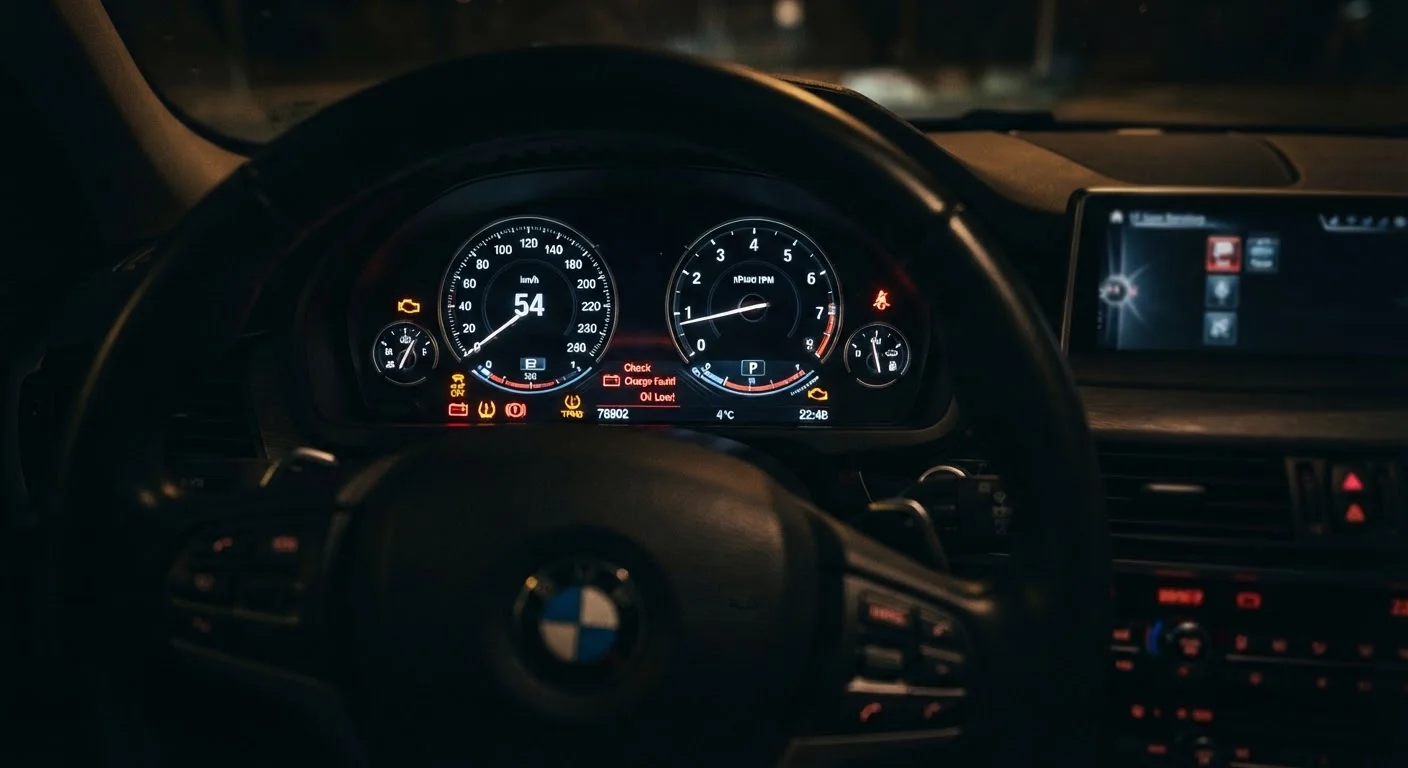
Photo: FaqsBay.com | Trending Blogs, Top Genres editorial
Why Dashboard Lights Exist - and Why You Shouldn't Ignore Them
Modern vehicles communicate through a network of sensors that feed data to an onboard computer. When something falls outside normal operating parameters, that computer triggers a dashboard warning light. Think of these lights as your car's way of flagging a problem before it becomes a breakdown - or a safety hazard.
Not all warning lights carry equal urgency. A few demand immediate action; others simply remind you that routine maintenance is due. Knowing the difference helps you respond appropriately rather than either panicking over a minor alert or ignoring something genuinely serious.
For a broader introduction to how your car's key systems work together, see our first-timer's guide to car maintenance.
| Total dashboard warning lights (typical modern vehicle) | 50-100+ symbols |
| Red light meaning | Stop or act immediately - safety or major system issue |
| Amber/yellow light meaning | Service needed soon - not immediately dangerous |
| TPMS required on US vehicles since | 2008 model year (National Highway Traffic Safety Administration (NHTSA)) |
| OBD-II required on US vehicles since | 1996 model year (US Environmental Protection Agency (EPA)) |
| Best resource for your specific symbols | Your vehicle's owner's manual |
Common Warning Lights and What They're Telling You
The lights below appear on the majority of US passenger vehicles. Always consult your owner's manual for the exact meaning of each symbol on your specific make and model.
MIL (Malfunction Indicator Light)
The formal name for the check engine light. It's triggered by the onboard diagnostics system (OBD-II) when a sensor detects a fault outside acceptable limits. A diagnostic scan tool reads the specific trouble code to identify the cause.
TPMS
Tire Pressure Monitoring System. A federally required system on US vehicles manufactured after 2008 that uses sensors to monitor tire inflation and alert the driver when pressure drops dangerously low.
OBD-II
On-Board Diagnostics, second generation - the standardized vehicle diagnostic interface required on all US cars since 1996. Mechanics and scan tools connect here to read trouble codes stored by the car's computer.
Alternator
A generator driven by the engine that recharges the battery and powers the electrical system while the car is running. A failing alternator is a common trigger for the battery warning light.
Catalytic Converter
An exhaust system component that converts harmful combustion gases into less harmful emissions. A misfiring engine can damage it quickly, which is why a flashing check engine light requires prompt attention.
Oil Pressure
The force at which engine oil circulates through internal passages to lubricate moving parts. Low oil pressure - distinct from simply being low on oil - can cause rapid engine damage if not addressed immediately.
Brake System Warning
A red circle with an exclamation point (sometimes labeled BRAKE) can mean the parking brake is engaged, brake fluid is low, or there's a fault in the brake system itself. If the parking brake is off and the light stays on, have the vehicle inspected promptly - brake failure is a serious safety risk. For more on what worn brakes look and sound like, read Brake Maintenance: What the Squeal, Grind, and Pull Are Telling You.
Battery / Charging System
A red battery icon means the charging system isn't maintaining proper voltage. Possible causes include a failing alternator, a dying battery, or a loose connection. If this light appears while driving, limit electrical load and head to a shop soon - the car may not restart once the engine is off.
Temperature Warning
A thermometer submerged in wavy lines (usually red) signals the engine is overheating. Pull over safely as soon as possible, turn off the engine, and do not open the radiator cap while the engine is hot. Driving on an overheated engine can cause severe and expensive damage.
Lights That Allow More Time - But Still Need Attention
These amber or yellow indicators typically signal a maintenance need or a developing issue rather than an immediate danger. Promptly scheduling service is still wise.
Check Engine (MIL)
The malfunction indicator light - often shaped like an engine silhouette - is one of the most misunderstood lights on the dash. It can range from a loose gas cap to a misfiring cylinder. A steady check engine light warrants a diagnostic scan within a few days. A flashing check engine light indicates an active misfire that can damage the catalytic converter - reduce speed and seek service the same day.
TPMS (Tire Pressure Monitoring System)
An exclamation point inside a tire cross-section means at least one tire is significantly under-inflated (typically 25% or more below recommended pressure). Low tire pressure reduces fuel efficiency, affects handling, and increases blowout risk. Check pressures with a gauge and inflate to the PSI listed on the sticker inside your driver's door - not the maximum listed on the tire sidewall.
Oil Pressure Warning
A dripping oil can icon (usually red) means oil pressure has dropped to a dangerous level. Stop the engine safely and check the oil level. Running an engine with low oil pressure even briefly can cause catastrophic internal damage. This is different from the oil change reminder light, which is typically amber and text-based.
Your Owner's Manual Is the Definitive Source
When to Drive to the Shop vs. Call for a Tow
A useful rule of thumb: red lights generally mean stop; amber lights mean schedule service soon. That said, context matters. A red brake light with spongy pedal feel warrants calling a tow truck. A red temperature light while idling in traffic may resolve if you turn off the AC and let the engine cool slightly - but it still requires same-day inspection.
If multiple warning lights illuminate simultaneously, or if lights appear alongside unusual sounds, smells, or handling changes, treat the combination as urgent. Don't rely solely on the light color - always factor in what you're experiencing while driving. Staying on top of small issues flagged by amber lights often prevents the emergencies that trigger red ones. Routine attention to easy-to-overlook parts also plays a role; wiper blades, cabin filters, and similar components affect more than most drivers realize.
The content provided on our blog site traverses numerous categories, offering readers valuable and practical information. Readers can use the editorial team’s research and data to gain more insights into their topics of interest. However, they are requested not to treat the articles as conclusive. The website team cannot be held responsible for differences in data or inaccuracies found across other platforms. Please also note that the site might also miss out on various schemes and offers available that the readers may find more beneficial than the ones we cover.