
Why Your Car's Cooling System Matters More Than You Think

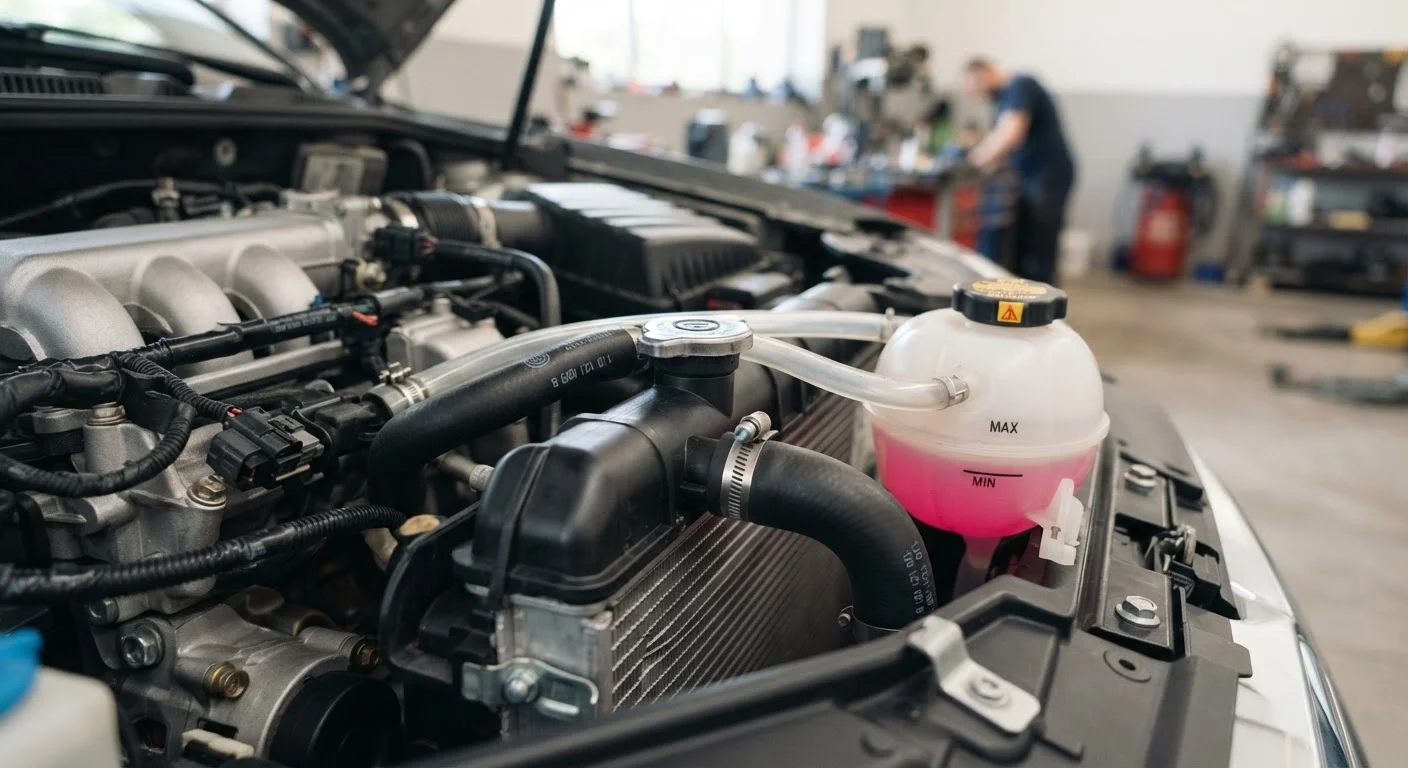
Photo: FaqsBay.com | Trending Blogs, Top Genres editorial
Key Takeaways
- Overheating is among the most expensive engine failures a driver can face.
- The cooling system depends on several components working together - one weak link can cause the whole system to fail.
- Coolant degrades over time and needs to be flushed and replaced on a schedule.
- Warning signs like a rising temperature gauge or sweet-smelling steam should never be ignored.
- Preventive maintenance on the cooling system is far less costly than engine repair or replacement.
How the Cooling System Actually Works
Your engine generates an enormous amount of heat - combustion temperatures inside the cylinders can exceed 4,500°F. The cooling system's job is to carry that heat away before it causes damage. Here's the basic flow:
- Coolant is pumped through channels in the engine block by the water pump.
- As coolant circulates, it absorbs heat from the engine.
- The hot coolant travels to the radiator, a large heat exchanger at the front of the vehicle, where airflow (assisted by a cooling fan) pulls the heat away.
- The cooled fluid loops back through the engine and the process repeats.
A thermostat acts as a gatekeeper - it stays closed when the engine is cold to help it warm up quickly, then opens once the engine reaches operating temperature to allow coolant to flow freely. The coolant reservoir (also called the overflow tank) accommodates the fluid's expansion as it heats up.
Each of these parts depends on the others. A stuck thermostat, a cracked hose, or a failing water pump can compromise the entire system - which is why understanding the whole picture matters. See our guide to fluid checks for a practical look at checking coolant levels at home.
Why Cooling System Neglect Is Costly
Engine overheating is not a minor inconvenience - it is one of the most destructive and expensive failures a vehicle can suffer. When an engine runs too hot, metal components expand beyond their tolerances. The results can include a warped cylinder head (the surface that seals combustion) or a blown head gasket (the gasket between the cylinder head and engine block that keeps oil, coolant, and combustion gases separate).
Either repair can run into thousands of dollars. In older or high-mileage vehicles, the repair cost sometimes approaches or exceeds the vehicle's value.
$1,500-$3,000+
Typical head gasket repair cost
Repair estimates vary by vehicle make and labor market, but head gasket replacement is consistently cited by mechanics as one of the more expensive common engine repairs.
~50%
Share of roadside breakdowns tied to cooling or fluid issues
Industry estimates from roadside assistance providers have consistently identified cooling system failures and related fluid problems as a leading cause of non-collision breakdowns.
The irony is that most cooling system failures are preventable. Degraded coolant, a hose that has become brittle, or a slow leak that goes unnoticed - these are exactly the kinds of issues a routine inspection catches early. If your vehicle has significant miles on it, strategies for keeping a high-mileage car reliable are worth reviewing alongside your cooling system maintenance plan.
Maintenance Steps That Make a Difference
Cooling system care doesn't require advanced mechanical skill - it requires consistency. Here are the fundamentals every car owner should follow:
- Check coolant level regularly. With the engine cold, look at the coolant reservoir (a translucent plastic tank near the radiator). The level should fall between the MIN and MAX markings. Never open the radiator cap on a hot engine - pressurized steam can cause serious burns.
- Inspect hoses visually. Look for cracks, soft spots, or swelling. Hoses that feel mushy or hard instead of firm and slightly pliable are near the end of their life.
- Follow the manufacturer's flush interval. Coolant breaks down over time, losing its corrosion inhibitors. Old coolant can actually corrode aluminum components inside the engine. Your owner's manual will specify the recommended interval.
- Watch the temperature gauge. The needle should settle in the normal range and stay there. A gauge that climbs higher than usual - even if it hasn't reached the red - is worth investigating.
Check Coolant When the Engine Is Cold
Many drivers skip these checks because the cooling system is largely hidden. Don't let out-of-sight mean out-of-mind. Our overview of neglected maintenance tasks shows how quietly deferred upkeep compounds into serious problems over time.
Common Misconceptions Worth Clearing Up
A few widespread misunderstandings lead drivers to underestimate cooling system risks:
- "My car hasn't overheated, so the system is fine." Coolant degradation and slow leaks build gradually. A system can be weakened for months before a symptom appears - usually at the worst moment, like sitting in summer traffic.
- "I can top it off with water and it's good." Water is an emergency measure only. It provides no corrosion protection and will freeze in cold climates. Proper coolant is always the right long-term solution.
- "Cooling system flushes are just upsells." While some service upsells are genuinely unnecessary, coolant replacement is not one of them. This misconception is addressed directly in our look at car maintenance myths that cost drivers money.
Treating cooling system maintenance as optional is one of the more expensive gambles a driver can take. The components involved are relatively inexpensive to service - and far less expensive than the alternative.
Frequently Asked Questions
The content provided on our blog site traverses numerous categories, offering readers valuable and practical information. Readers can use the editorial team’s research and data to gain more insights into their topics of interest. However, they are requested not to treat the articles as conclusive. The website team cannot be held responsible for differences in data or inaccuracies found across other platforms. Please also note that the site might also miss out on various schemes and offers available that the readers may find more beneficial than the ones we cover.