
Staying Connected Abroad: International SIM Cards vs. Roaming Plans

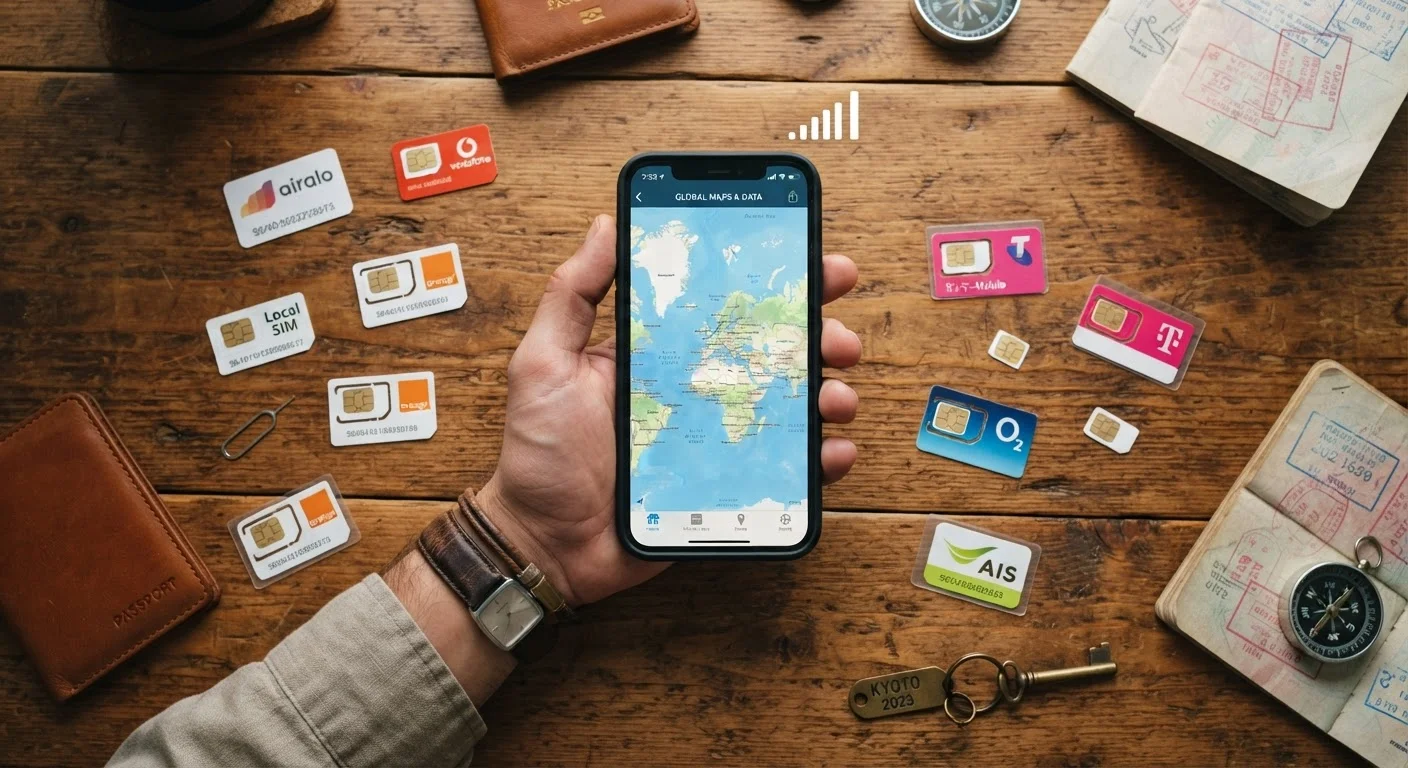
Photo: FaqsBay.com | Trending Blogs, Top Genres editorial
Key Takeaways
- International SIM cards typically offer lower data costs but require an unlocked phone and a number change.
- Carrier roaming plans let you keep your US number but often cost significantly more per day or per gigabyte.
- eSIM technology is making it easier to add a local profile without swapping a physical card.
- Trip length, data needs, and destination coverage should all factor into your decision.
- Surprise roaming charges are one of the most common and avoidable travel expenses for US travelers.
- Always verify your phone is unlocked and your plan details before departing.
Why Your Default Plan Will Probably Let You Down
Most US carrier plans are designed for domestic use, and international connectivity is tacked on as an afterthought — often an expensive one. If you've ever returned from a trip to a shocking phone bill, you're not alone. Understanding your two main alternatives upfront can save you real money and real frustration.
The good news: you don't need to go dark while traveling. Between local SIM cards and dedicated roaming add-ons, there's a workable solution for almost every trip style and budget. The key is matching the option to your specific situation rather than just defaulting to whatever your carrier sells you at the airport gate.
For context on how trip length and complexity affect your overall planning decisions, see our guide to long-haul vs. short-haul international route planning.
| Criterion | International SIM Card | Carrier Roaming Plan |
|---|---|---|
| Typical cost (1 week) | Often $10–$30 for generous data | Often $10–$15 per day add-on |
| Setup required | SIM swap or eSIM download | Activate add-on, done |
| Keeps US number active | No (number changes) | Yes |
| Unlocked phone required | Yes | No |
| Multi-country coverage | Varies by SIM product | Often included in one plan |
| Data speeds | Local network rates (often faster) | Sometimes throttled or deprioritized |
| Best trip length | 4+ days | 1–3 days |
International SIM Cards: What to Know Before You Swap
A local or international SIM card is a physical chip — or increasingly, an eSIM profile — that gives your phone a local number and access to local network rates. You purchase one before departure or on arrival, insert it, and your phone operates as if it belongs to the destination country.
The Upside
- Cost: Local data rates are almost always dramatically cheaper than US carrier roaming rates. In many countries, a week's worth of data costs less than a single day of a US roaming add-on.
- Speed: You connect to local networks the way residents do, which often means better coverage tiers than what roaming agreements provide.
- eSIM convenience: If your phone supports eSIM (most modern iPhones and Android flagships do), you can download a local profile before you even board your flight — no physical swap needed.
The Tradeoffs
- Your US number goes inactive, so calls and texts sent to it won't reach you directly (though apps like WhatsApp or FaceTime fill much of that gap).
- Your phone must be unlocked — a locked device only works on its original carrier's network. Check with your carrier before departure.
- Finding a reliable SIM in some destinations requires research; airport vendors can be overpriced or confusing.
~$0.01–$0.05
Per MB on many local SIMs abroad
Industry comparisons consistently show local SIM data rates running a fraction of typical US carrier international roaming rates.
Over 50%
Of smartphones now eSIM capable
As of recent years, the majority of flagship Android and iPhone models ship with eSIM support, making card-free local profiles an accessible option for most travelers.
3–4 days
Break-even point vs. roaming
Travel planning analysts generally estimate that a local SIM becomes cost-competitive with most US carrier day passes after roughly three to four days of active use.
Carrier Roaming Plans: Convenience Comes at a Cost
Most major US carriers offer international day passes or monthly roaming add-ons that let your phone work abroad using the same number and plan features. You activate the add-on, land overseas, and your phone connects automatically.
The Upside
- Zero setup: No SIM swap, no unlocking requirement, no hunting for a local vendor.
- Your number stays active: Anyone who calls or texts your US number reaches you normally — critical for business travelers or anyone expecting important calls.
- Multi-country coverage: Carrier plans frequently cover dozens of countries under a single add-on, which is a genuine advantage for multi-destination itineraries.
The Tradeoffs
- Day-pass roaming fees can feel steep for a longer trip — costs multiply fast across two or three weeks.
- Data speeds abroad are sometimes throttled or deprioritized compared to local subscribers.
- It's easy to forget to turn the add-on off upon return, resulting in unexpected charges on the next billing cycle.
Managing your travel budget smartly applies to connectivity just as much as currency. Our currency exchange vs. travel credit cards comparison walks through similar trade-offs in the money-management space.
Making the Call: How to Decide Before You Fly
Neither option is universally better — the right choice depends on a handful of practical factors you can assess before booking your flight.
- Trip length: Roaming day passes make economic sense for trips of three days or fewer. Beyond that, a local SIM or eSIM typically wins on cost.
- Number of countries: If you're crossing multiple borders, a multi-country roaming plan or a global eSIM provider may be simpler than sourcing individual SIMs per country.
- Your data habits: Heavy streaming or video calling burns through roaming allowances quickly. Know your usage before you commit to a plan's data cap.
- Phone compatibility: Confirm whether your device is unlocked and eSIM-capable. This takes five minutes with your carrier and could open up significantly cheaper options.
- Who needs to reach you: If staying reachable on your US number is non-negotiable, a roaming plan removes that friction entirely.
Connectivity planning is also relevant when traveling in groups, since coordinating communication across multiple devices and numbers adds another layer. Our group vs. solo travel planning guide touches on logistics like these.
Whatever you choose, disable automatic roaming before departure if you're going the SIM route, and set a data usage alert if your carrier supports it. Surprise charges are avoidable — they just require a few minutes of preparation.
The content provided on our blog site traverses numerous categories, offering readers valuable and practical information. Readers can use the editorial team’s research and data to gain more insights into their topics of interest. However, they are requested not to treat the articles as conclusive. The website team cannot be held responsible for differences in data or inaccuracies found across other platforms. Please also note that the site might also miss out on various schemes and offers available that the readers may find more beneficial than the ones we cover.