
Group Travel vs. Solo Travel: Planning Differences That Actually Matter

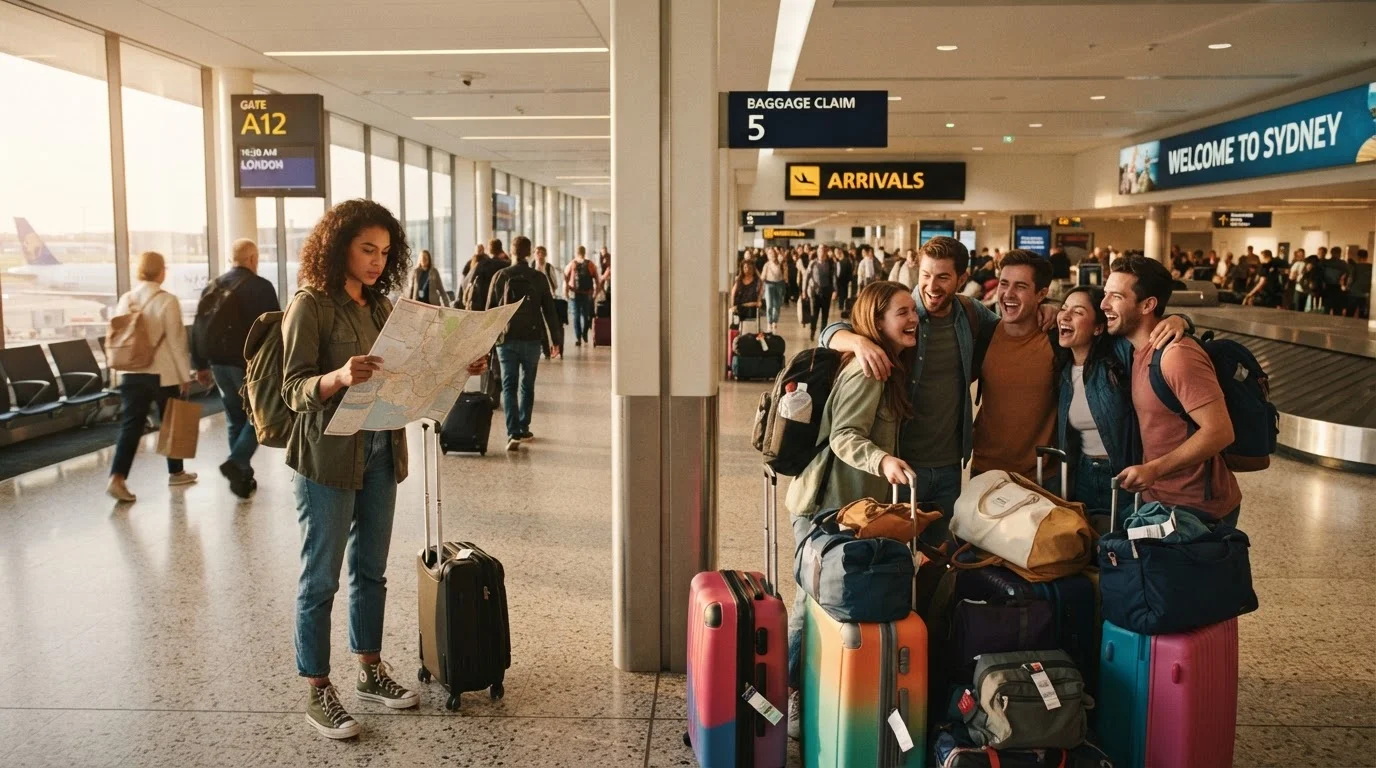
Photo: FaqsBay.com | Trending Blogs, Top Genres editorial
Key Takeaways
- Group travel requires earlier booking and more structured communication to keep everyone aligned.
- Solo travelers can pivot plans instantly but carry all logistical responsibility themselves.
- Cost-splitting can reduce per-person expenses for groups, but shared budgets require clear agreements upfront.
- Decision-making timelines are significantly longer when coordinating multiple people.
- Solo travelers face higher per-night accommodation costs but gain flexibility that groups cannot match.
- Both styles benefit from a pre-trip checklist, but the contents of that checklist differ considerably.
The Coordination Gap: Why Group Planning Takes Longer
The single biggest planning difference between group and solo travel isn't the destination — it's the timeline. Solo travelers can go from idea to booked in an afternoon. Group trips, even small ones, typically stretch over weeks of back-and-forth before a single reservation is made.
Finding dates that work for four, six, or ten people is genuinely hard. Work schedules, school calendars, and financial timing rarely line up neatly. Experienced group travelers often recommend starting the date conversation at least three to four months before a domestic trip and even earlier for international ones. Locking in dates before discussing destinations reduces the most common early sticking point.
Solo travelers sidestep this entirely. Your calendar is the only one that matters. That freedom extends to every downstream decision: which flight, which hotel, which activities. If you want to reroute mid-trip because you heard about something interesting, you can. For more on structuring that flexibility, see our guide on flexible vs. fixed itineraries.
| Criterion | Group Travel | Solo Travel |
|---|---|---|
| Planning timeline | 3–6 months typical | Days to weeks |
| Date flexibility | Requires consensus | Fully flexible |
| Accommodation cost | Lower per person (shared) | Full cost, no split |
| In-destination transport | Group vehicle or multiple rideshares | Any mode, any time |
| Budget management | Shared pool, needs agreement | Solo ownership, full control |
| Daily pace | Slower; accommodates group needs | As fast or slow as you choose |
| Conflict risk | Higher; preferences vary | None; all decisions yours |
| Social experience | Built-in companionship | Requires active effort |
Budgeting: Shared Costs vs. Full Ownership
Money is where group travel gets genuinely complicated — and where it can also deliver real savings. Vacation rentals, hired vehicles, and chartered activities often cost less per person when split across a group. A beach house that runs $400 per night becomes $50 per person for eight travelers. That math is hard to beat.
But those savings come with conditions. Everyone needs to agree on the accommodation standard, the daily spend, and how shared expenses get settled. Without a clear system, friction builds fast. Our companion piece on splitting costs fairly on a group trip covers practical frameworks for exactly that situation.
Solo travelers pay full freight on every line item. A private hotel room, a solo rental car, single-supplement fees on tours — it adds up. The trade-off is complete financial autonomy. There's no shared pool, no awkward IOUs, and no negotiating down to a shared budget that doesn't fit your actual comfort level.
72%
Solo travelers who report higher trip satisfaction
According to a solo travel industry survey cited by travel researchers, a strong majority of solo travelers rate their trips as highly satisfying, often attributing this to total autonomy over itinerary decisions.
30–50%
Potential per-person savings on vacation rentals for groups
Travel industry analyses consistently show that splitting a vacation rental among a larger group can reduce per-person lodging costs significantly compared to individual hotel bookings.
3x
Longer average planning lead time for group trips vs. solo
Travel planners and booking platforms note that group trips typically require substantially longer coordination windows than solo bookings due to schedule alignment and consensus-building.
Accommodation and Logistics: Different Problems to Solve
For groups, accommodation is often the most complex booking to make. You need enough space for everyone, proximity that keeps the group connected, and a price point the whole group can accept. Vacation rentals tend to work better than hotel blocks for groups who want communal space; booking platforms that handle house rentals let you filter by bedroom count and amenities. Book these early — desirable properties in popular destinations fill up months ahead, especially around holidays.
Transportation within the destination is another group-specific puzzle. Rideshares become expensive when split across multiple vehicles. A rental van or SUV often makes more sense for six or more people, but that means designating a driver and agreeing on itinerary timing. Solo travelers, by contrast, can tailor transport entirely to their movement style — public transit, a small rental car, even a bicycle — without checking with anyone.
Both travel styles benefit from thorough pre-departure preparation. Our pre-trip planning checklist covers the documents, health prep, and logistics that slip through the cracks regardless of group size.
Decision-Making on the Road: Pace and Conflict
Even the best-coordinated group hits friction once travel begins. Someone wants a museum day; someone else wants the beach. Dietary differences complicate every restaurant choice. Energy levels — especially across age ranges — affect how much a group can realistically accomplish per day.
Building deliberate buffer time into a group itinerary isn't padding; it's strategy. Transitions take longer when you're moving multiple people. Meals stretch. Departure times slip. Veteran group travelers often plan for 20–30% less activity than they'd do solo, and they're rarely disappointed.
Solo travelers face a different challenge: isolation and the full weight of every decision. There's no one to consult when things go wrong, no natural companion for a long dinner, and no shared energy to draw on when fatigue hits. Many solo travelers counter this by slowing their pace, spending more time in fewer places to build casual connections rather than racing between sights.
Understanding how your travel style intersects with destination logistics — such as seasonal crowds and pricing — matters for both approaches. See how seasonality shapes destination costs before you finalize dates.
The content provided on our blog site traverses numerous categories, offering readers valuable and practical information. Readers can use the editorial team’s research and data to gain more insights into their topics of interest. However, they are requested not to treat the articles as conclusive. The website team cannot be held responsible for differences in data or inaccuracies found across other platforms. Please also note that the site might also miss out on various schemes and offers available that the readers may find more beneficial than the ones we cover.