
Common Feeding Habits That Quietly Harm Pet Health

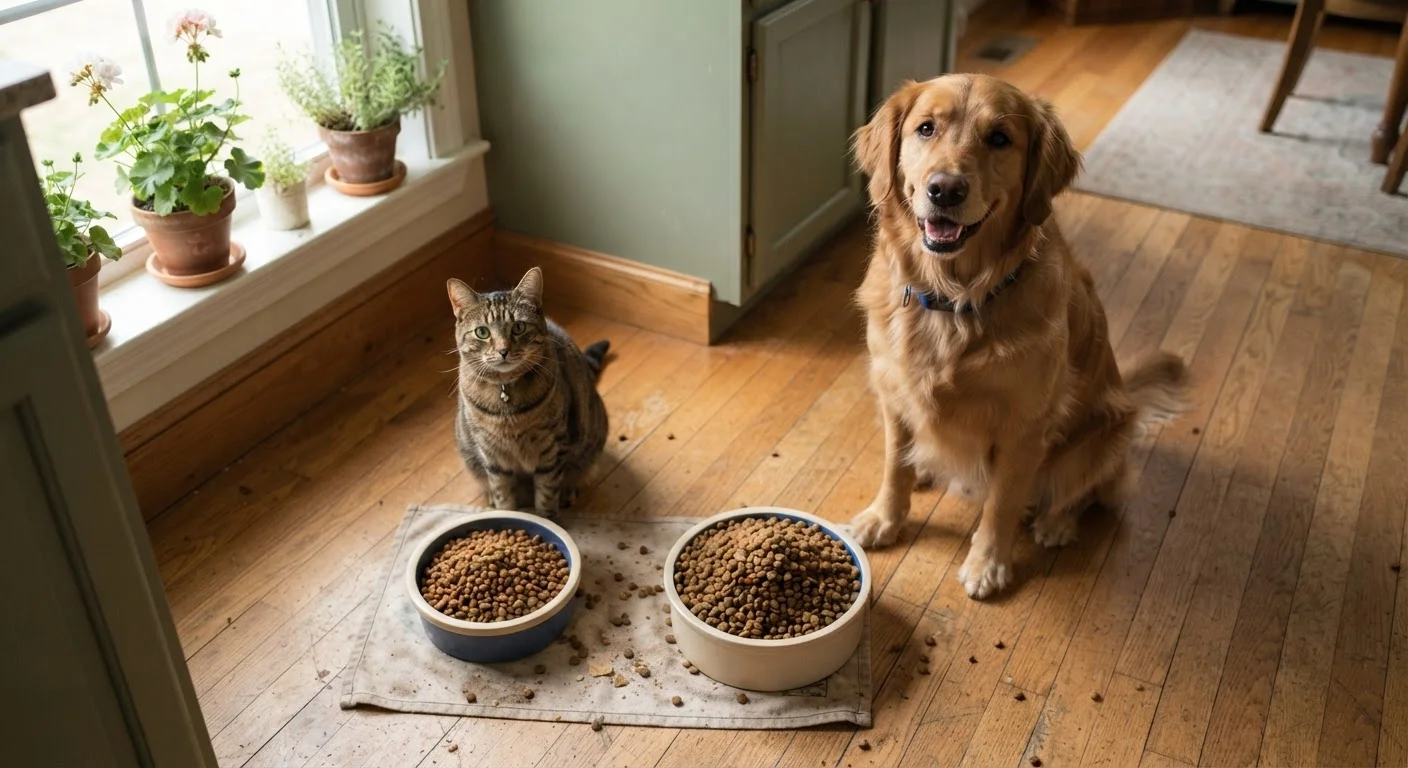
Photo: FaqsBay.com | Trending Blogs, Top Genres editorial
Key Takeaways
- Free-feeding dry kibble all day can contribute to obesity and mask early signs of illness.
- Treats should make up no more than 10% of a pet's daily caloric intake to avoid nutritional imbalance.
- Feeding human food without understanding toxicity risks can cause serious, sometimes fatal harm.
- Ignoring weight changes between vet visits is one of the most overlooked early warning signs in pets.
- Switching foods too abruptly regularly causes digestive upset that owners often misattribute to illness.
- A vet or veterinary nutritionist should guide major dietary changes, not marketing claims on packaging.
Why Routine Feeding Habits Deserve a Closer Look
Most pet owners genuinely want to feed their animals well. Yet some of the most damaging nutritional habits aren't dramatic oversights — they're quiet, everyday routines that seem harmless. Free-filling the bowl, slipping scraps from the dinner table, swapping foods based on a sale price — these small decisions accumulate into patterns that can affect a pet's weight, organ health, and longevity.
The challenge is that pets don't complain about a poor diet the way a human might. Symptoms of chronic nutritional imbalance — dull coat, low energy, gradual weight gain — develop slowly and are easy to normalize. Understanding where routine feeding goes wrong is the first step toward correcting it. For a deeper foundation, our guide on reading pet food ingredient lists critically is a useful starting point before evaluating what's actually in your pet's bowl.
Free-feeding dry kibble throughout the day without portion control.
Using treats as a primary bonding or reward tool without accounting for their caloric load.
Switching pet food brands or formulas abruptly when a new option is available or on sale.
Feeding table scraps or human food without understanding species-specific toxicity risks.
Ignoring gradual weight changes between veterinary appointments.
Choosing pet food based primarily on marketing language rather than nutritional content.
The Nutritional Risks Worth Taking Seriously
Several feeding mistakes carry consequences serious enough to warrant veterinary attention. Overfeeding, in particular, is linked to diabetes, joint disease, and shortened lifespan in both dogs and cats. According to veterinary research, a significant proportion of companion animals in the US are classified as overweight or obese — a condition driven largely by caloric surplus from meals and treats combined.
~59%
US dogs classified as overweight or obese
The Association for Pet Obesity Prevention has consistently found that a majority of US dogs are above their ideal body weight in annual surveys.
~61%
US cats classified as overweight or obese
The same Association for Pet Obesity Prevention surveys suggest cats face even higher rates of excess weight than dogs in the US.
10%
Maximum recommended treat calorie share
Veterinary nutritionists broadly advise that treats should account for no more than 10% of a pet's total daily caloric intake to prevent imbalance.
Feeding human foods without a clear understanding of what's safe is another high-stakes error. Many common household ingredients — including onions, garlic, grapes, raisins, and xylitol — are toxic to dogs and cats at surprisingly small quantities. Our reference on household foods and plants toxic to pets outlines the key hazards by severity.
Some Human Foods Are Genuinely Dangerous
Finally, owners who cook for their pets at home may be doing so with the best intentions, but homemade diets carry real risk of nutritional gaps unless formulated by a veterinary nutritionist. Our guide on home-cooked pet meals covers both the benefits and the pitfalls in practical detail.
Routine annual vet visits are an underused tool for catching diet-related problems early — your vet can track weight trends, flag early organ changes, and adjust feeding guidance based on your pet's life stage.
This article provides general educational information about pet nutrition and is not a substitute for personalized veterinary advice. Always consult a licensed veterinarian before making significant changes to your pet's diet.
The content provided on our blog site traverses numerous categories, offering readers valuable and practical information. Readers can use the editorial team’s research and data to gain more insights into their topics of interest. However, they are requested not to treat the articles as conclusive. The website team cannot be held responsible for differences in data or inaccuracies found across other platforms. Please also note that the site might also miss out on various schemes and offers available that the readers may find more beneficial than the ones we cover.