
Annual Vet Visits: What They Actually Check and Why It Matters

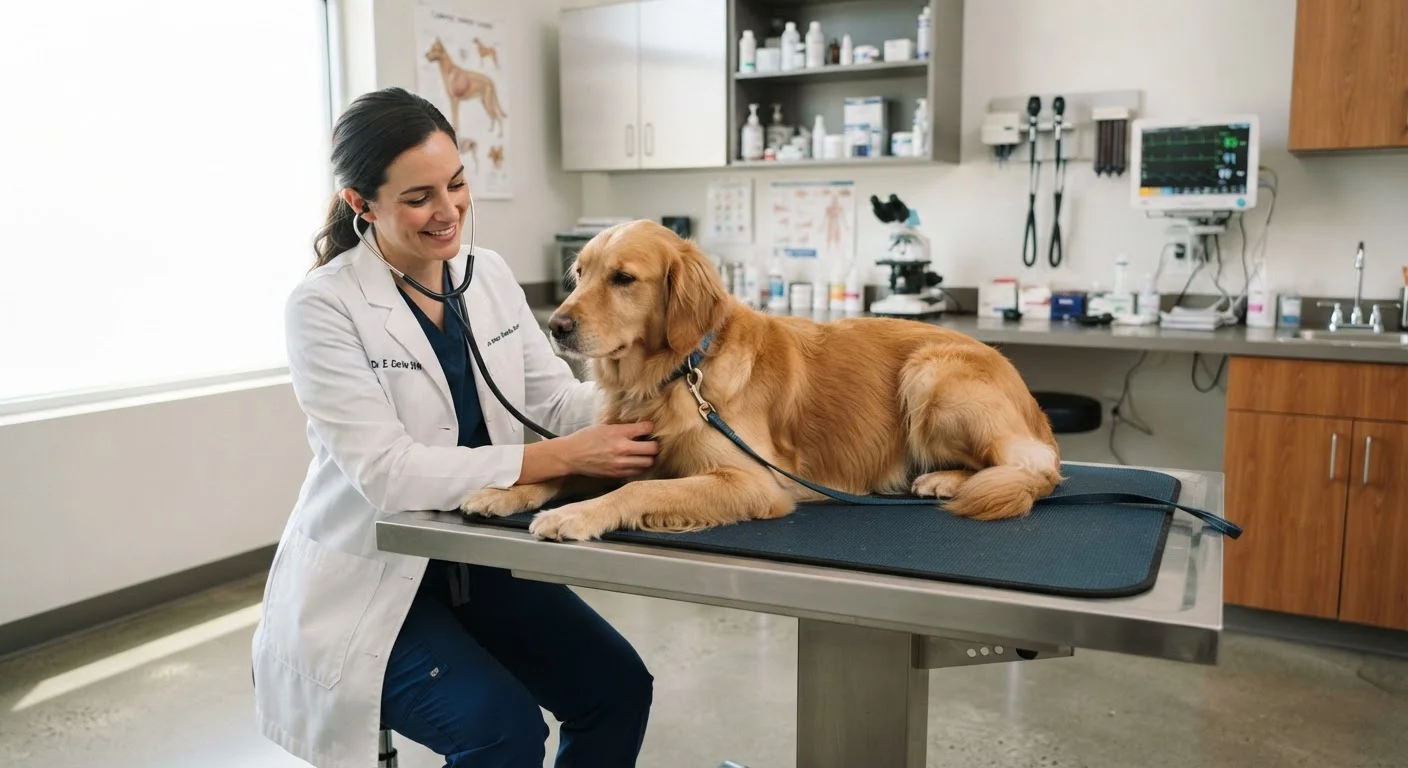
Photo: FaqsBay.com | Trending Blogs, Top Genres editorial
Key Takeaways
- Annual wellness exams cover far more than vaccinations — they include a head-to-toe physical assessment.
- Vets use exam findings to establish baselines that make future changes easier to detect.
- Many serious conditions, including dental disease and organ dysfunction, show no obvious symptoms early on.
- Preventive care caught at a wellness visit is typically less expensive to treat than advanced disease.
- Senior pets and young animals may benefit from more frequent exams than once a year.
The Physical Exam: A Head-to-Tail Assessment
When your pet enters the exam room, the veterinarian's evaluation begins almost immediately — observing gait, posture, and alertness before hands even touch the animal. The structured physical exam that follows is methodical and covers every major body system.
Here's what a typical wellness exam includes:
- Eyes and ears: Checked for discharge, inflammation, infection, or early signs of conditions like cataracts or otitis.
- Mouth and teeth: Dental disease affects the majority of dogs and cats over age three yet is frequently missed at home. Vets assess tartar buildup, gum health, and tooth integrity. For more on what you can do between visits, see pet dental care approaches supported by veterinary guidance.
- Lymph nodes: Enlarged nodes can signal infection, inflammation, or, in some cases, more serious disease.
- Heart and lungs: Auscultation (listening with a stethoscope) can reveal murmurs, arrhythmias, or abnormal lung sounds that have no outward symptoms yet.
- Abdomen: Palpation checks for organ enlargement, pain, or unusual masses.
- Skin and coat: Parasites, lumps, and skin conditions are assessed visually and by touch.
- Musculoskeletal system: Range of motion, muscle mass, and joint comfort are evaluated — particularly important for aging pets.
Weight is recorded and compared against previous visits. Gradual weight changes are among the most telling early indicators of metabolic or dietary problems.
Maximize Your Time in the Exam Room
Beyond the Physical: Preventive and Diagnostic Components
The physical exam is the core of the visit, but several additional elements complete the picture of your pet's health status.
Vaccination review: Rather than automatically administering every available vaccine, most veterinarians now take a risk-based approach — assessing your pet's lifestyle, geographic region, and prior vaccine history to determine which vaccines are actually warranted that year.
Parasite prevention: Your vet will discuss heartworm, flea, tick, and intestinal parasite control. A fecal exam to screen for intestinal parasites is commonly recommended annually, especially for pets with outdoor access.
Bloodwork and urinalysis: Routine bloodwork is often advised for senior pets and may be offered to younger adults. A complete blood count and chemistry panel can reveal early kidney or liver dysfunction, anemia, diabetes, and thyroid abnormalities — conditions that rarely produce obvious symptoms in early stages.
Behavioral and nutritional review: This is your chance to discuss changes in appetite, water intake, elimination habits, energy level, or social behavior. Diet is reviewed as well — what your pet eats directly affects long-term health outcomes. For context on common nutritional pitfalls, see common feeding habits that quietly harm pet health.
Senior Pets Need More Frequent Monitoring
Why the Annual Exam Is Worth Prioritizing
It's easy to skip a wellness exam when a pet seems healthy. But "seems healthy" and "is healthy" are not always the same. Many of the conditions most common in companion animals — dental disease, obesity, early organ dysfunction, and hormonal disorders — develop silently over months or years before outward symptoms appear.
80%
Dogs with dental disease by age 3
The American Veterinary Dental College estimates that most dogs and cats show signs of periodontal disease by their third year of life, often without visible discomfort.
1 in 300
Dogs diagnosed with diabetes mellitus
Veterinary epidemiological estimates suggest diabetes affects roughly 1 in 300 dogs, with many cases going undiagnosed until significant organ stress has occurred.
3x
Higher treatment costs for late-stage vs. early-stage disease
Veterinary health economists broadly note that advanced-stage chronic disease management commonly requires specialist care, hospitalization, and more intensive intervention than early detection allows.
Establishing baselines matters as much as detecting active problems. A vet who has recorded your pet's normal heart rate, weight, and bloodwork values over several years is far better positioned to recognize when something has changed — even subtly. That continuity of care is difficult to replicate if visits are sporadic.
There's also a practical financial dimension. Preventive care is generally less costly than reactive treatment. Catching early-stage kidney disease, for example, allows for dietary and medical management that can extend quality of life and delay progression — which is typically less expensive than managing end-stage disease. Just as a yearly financial review catches gaps before they become problems, an annual vet exam catches health issues before they become crises.
If you're navigating decisions around your pet's care — including topics like reproductive health — a wellness visit is the right time to have those conversations. See our balanced overview of spay and neuter health considerations to go into that discussion informed.
This article is for general informational purposes only and does not constitute veterinary medical advice. Always consult a licensed veterinarian for guidance specific to your pet's health and needs.
Frequently Asked Questions
The content provided on our blog site traverses numerous categories, offering readers valuable and practical information. Readers can use the editorial team’s research and data to gain more insights into their topics of interest. However, they are requested not to treat the articles as conclusive. The website team cannot be held responsible for differences in data or inaccuracies found across other platforms. Please also note that the site might also miss out on various schemes and offers available that the readers may find more beneficial than the ones we cover.