
Pet Dental Care: What Actually Works at Home

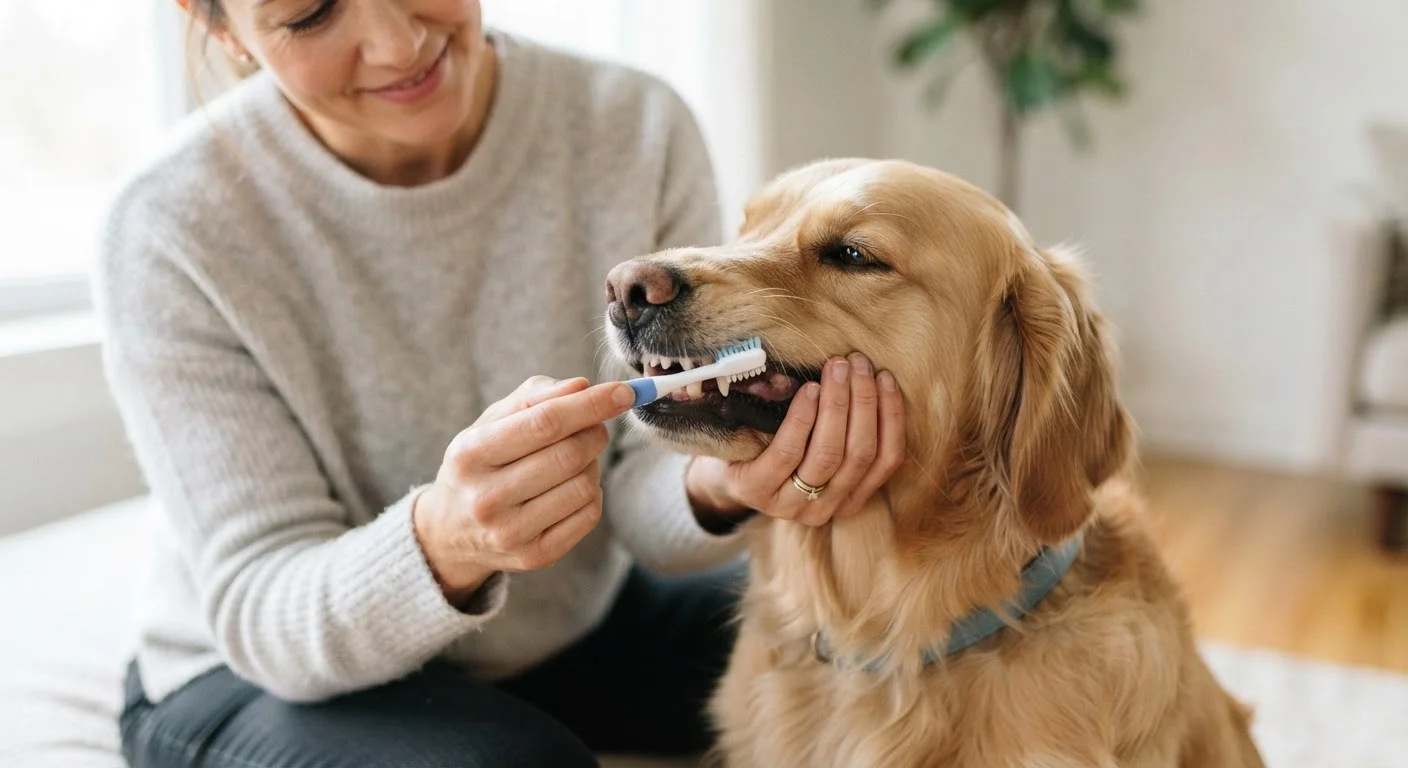
Photo: FaqsBay.com | Trending Blogs, Top Genres editorial
Key Takeaways
- Toothbrushing with pet-safe toothpaste is the most effective at-home dental care method.
- Dental chews and water additives can help but should complement brushing, not replace it.
- Periodontal disease is highly common in pets and can affect organ health if left unmanaged.
- Gradual desensitization makes toothbrushing tolerable for most pets when started correctly.
- Professional veterinary cleanings are still necessary even with a solid home routine.
Why Home Dental Care Actually Matters
Periodontal disease — infection and inflammation of the structures supporting the teeth — is one of the most frequently diagnosed conditions in dogs and cats. Veterinary estimates suggest the majority of pets show some degree of dental disease by age three. Left unmanaged, the bacterial burden from chronic oral disease can affect more than the mouth: research in veterinary medicine has explored associations between severe periodontal disease and changes in kidney, liver, and cardiac tissue, though the precise causal relationship in companion animals is still being studied.
The key mechanism is straightforward: plaque, a soft bacterial film, forms on tooth surfaces constantly. When it isn't mechanically disrupted, it mineralizes into tartar (calculus) within days. Tartar provides a rough surface for more plaque to accumulate, the gumline becomes inflamed, and periodontal disease progresses. Home care interrupts this cycle at the earliest stage — before mineralization occurs.
Never Use Human Toothpaste on Pets
Diet also plays a supporting role. While no food replaces brushing, overly soft or high-sugar diets can accelerate plaque accumulation. For a broader look at how nutrition affects pet health, our Pet Nutrition & Diet hub covers evidence-based feeding guidance across life stages.
What the Evidence Actually Supports
Not all at-home products are equal, and marketing claims in the pet dental category frequently outrun the supporting data. Toothbrushing with a pet-safe enzymatic toothpaste remains the intervention with the strongest and most consistent support from veterinary dental research. Enzymatic toothpastes work partly through biochemical action on plaque even without perfect mechanical technique, which is helpful given that most pets don't cooperate perfectly.
Beyond brushing, the Veterinary Oral Health Council (VOHC) provides a benchmark worth knowing: products that earn the VOHC seal have demonstrated plaque or tartar reduction in controlled studies. This includes certain dental chews, water additives, and rinses — but the list is selective, meaning many products on pet store shelves have not met this standard.
Dental Chews Are Not a Complete Solution
Raw bones and hard nylon chews are sometimes promoted for dental health, but veterinary dentists generally caution against them because of the risk of slab fractures to the carnassial teeth. If a chew is hard enough that you can't bend it or press your thumbnail into it, it may be too hard for safe use.
Home dental care does not eliminate the need for professional cleanings under anesthesia. Annual exams — described in detail in our article on what vets check during routine visits — allow dental assessment that simply isn't possible in an awake pet.
Building the Routine: Step-by-Step
What you will need
Pet-safe enzymatic toothpaste
Breaks down plaque and is safe for pets to swallow — a required substitute for human toothpaste.
Finger brush or pet toothbrush
Physically removes plaque from tooth surfaces and along the gumline.
Veterinary-accepted dental chews
Provides supplemental mechanical action to reduce tartar between brushing sessions.
Water additive (veterinary-formulated)
Added to drinking water to help reduce bacterial load in the mouth when brushing is not possible.
Dental wipes
An alternative to brushing for pets who resist toothbrushes; less effective but better than nothing.
Get a veterinary dental baseline
Before starting any home dental routine, have your veterinarian examine your pet's mouth. Existing periodontal disease, tooth fractures, or oral pain need professional treatment first — brushing an already-painful mouth can make your pet fearful of the process and may worsen underlying problems. Your vet can also confirm which tools and products are appropriate for your specific pet's size and breed. As part of this visit, ask about the role of annual wellness exams in monitoring dental health over time.
Introduce your pet to the toothpaste
Start by letting your pet smell and lick a small amount of pet toothpaste from your finger. Most enzymatic toothpastes come in flavors like poultry or beef, which pets generally accept well. Do this for two to three days without attempting to touch the teeth — the goal here is simply to build a positive association with the taste. Never rush past this stage, especially with cats or dogs that are already touch-sensitive around the face.
Begin touching the teeth and gums with your finger
With toothpaste on your fingertip, gently lift your pet's lip and rub the paste along the outer surfaces of a few teeth. Keep initial sessions to 10–15 seconds. Over the next several days, gradually extend the area you cover and the duration. Watch for signs of stress — lip licking, pulling away, or freezing — and back off if these appear. Progressing too quickly is the most common reason pets resist brushing long-term.
Transition to a finger brush or toothbrush
Once your pet tolerates your finger, introduce a finger brush or soft-bristled pet toothbrush using the same gradual approach. Use small circular motions along the gumline where the tooth meets the gum — this area is most vulnerable to plaque-driven inflammation. Aim to eventually cover all accessible tooth surfaces, though the inner (tongue-side) surfaces are harder to reach and contribute less to overall disease in most pets.
Establish a consistent daily routine
Daily brushing is the evidence-based standard recommended by veterinary dental organizations. Plaque begins mineralizing into tartar within 24–48 hours, so frequency matters. Anchor the habit to something your pet already anticipates — their evening meal or a pre-bed routine works well for many households. Consistency across weeks and months is what delivers meaningful plaque control; sporadic brushing provides minimal benefit.
Add evidence-supported supplements where needed
If daily brushing isn't consistently achievable, or as an adjunct to brushing, look for dental chews or water additives that carry the Veterinary Oral Health Council (VOHC) seal of acceptance — this seal indicates the product met pre-set standards for plaque or tartar reduction in controlled trials. Water additives can help reduce bacterial load between brushings but should not be framed as a replacement. Discuss any supplement choices with your vet, particularly if your pet has dietary restrictions. For context on how overall diet affects oral and systemic health, see our guidance on feeding habits that affect pet health.
Make It a Positive Experience
This article provides general health information for educational purposes and is not a substitute for professional veterinary advice. Always consult a licensed veterinarian for guidance specific to your pet's health and dental needs.
The content provided on our blog site traverses numerous categories, offering readers valuable and practical information. Readers can use the editorial team’s research and data to gain more insights into their topics of interest. However, they are requested not to treat the articles as conclusive. The website team cannot be held responsible for differences in data or inaccuracies found across other platforms. Please also note that the site might also miss out on various schemes and offers available that the readers may find more beneficial than the ones we cover.