
Sinking Funds vs. Emergency Funds: Two Savings Tools With Very Different Jobs

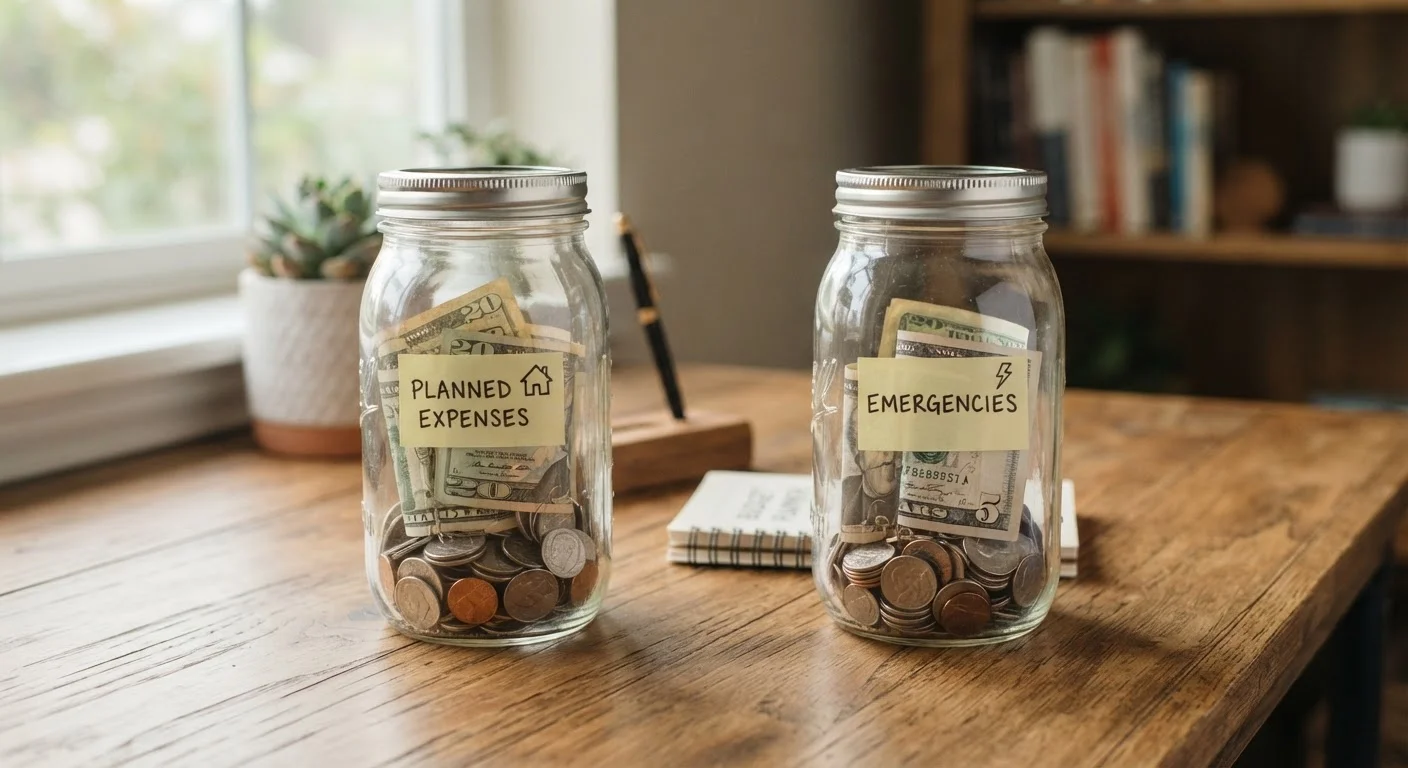
Photo: FaqsBay.com | Trending Blogs, Top Genres editorial
Key Takeaways
- Sinking funds are for predictable future expenses; emergency funds are for true financial surprises.
- Both tools belong in your savings strategy — they solve different problems and should stay separate.
- Sinking funds are depleted intentionally; emergency funds should only be touched in genuine crises.
- Most financial educators suggest an emergency fund covering three to six months of essential expenses.
- You can build both simultaneously by allocating small, regular contributions to each.
The Core Difference: Planned vs. Unexpected
Both sinking funds and emergency funds sit in savings accounts, and both exist to prevent financial stress. That's roughly where the similarity ends. The defining difference is predictability.
A sinking fund is money you deliberately set aside for an expense you already know is coming — even if the exact date feels distant. Car registration, holiday gifts, a new appliance, or an annual insurance premium are classic examples. You know they'll arrive. A sinking fund means you're saving incrementally now so the cost doesn't land as a shock later. For a deeper look at how sinking funds work in practice, see our guide to sinking funds.
An emergency fund, by contrast, exists for the genuinely unforeseeable: a sudden job loss, an unexpected medical bill, a car breakdown you had no way to anticipate. It's a buffer between you and financial crisis. Our full emergency fund explainer covers sizing and placement in detail.
Mixing the two — or treating them as interchangeable — undermines what makes each one effective.
| Criterion | Sinking Fund | Emergency Fund |
|---|---|---|
| Purpose | Planned, known future expenses | Unexpected financial emergencies |
| Predictability of use | High — you know it's coming | Low — timing is uncertain |
| Typical size | Tied to specific expense cost | 3–6 months of essential expenses |
| How it's used | Spent intentionally when planned | Only touched in genuine crisis |
| Replenishment | Rebuilt for the next planned cost | Restored after emergency use |
| Examples | Vacation, car registration, appliances | Job loss, ER visit, urgent home repair |
How to Size and Build Each Fund
Sizing a sinking fund is straightforward: estimate the total cost of the upcoming expense, then divide by the number of months until you need it. If new tires will cost roughly $600 and you have 10 months, you save $60 a month. Simple, concrete, and trackable.
Sizing an emergency fund requires a different calculation. Most financial educators suggest accumulating three to six months of essential living expenses — meaning rent or mortgage, utilities, groceries, insurance premiums, and minimum debt payments. Higher income variability (self-employed, commission-based) or dependents generally warrants the higher end of that range. For guidance on how to think through that figure, see The Emergency Fund Explained.
~57%
Americans unable to cover a $1,000 emergency
A Bankrate survey found that fewer than half of U.S. adults could pay for an unexpected $1,000 expense from savings alone.
3–6 months
Recommended emergency fund coverage
This widely cited benchmark from financial educators reflects essential monthly expenses, not total income.
You don't have to choose between building both. Many households contribute small, fixed amounts to multiple savings buckets simultaneously. Even $25 a month to an emergency fund while saving for a predictable expense builds meaningful protection over time. The Budgeting Basics hub has practical frameworks for allocating across competing savings goals.
Where to Keep Each Fund — and Why It Matters
Both funds benefit from living in an account that's accessible but not so convenient that you spend from it casually. A high-yield savings account (HYSA) is a common and practical choice for both — it earns more interest than a standard savings account while keeping your money liquid.
That said, some savers prefer to keep their emergency fund in a separate institution from their everyday checking to create a small psychological friction — enough of a barrier that dipping into it feels deliberate, not reflexive. Sinking funds, since they're spent intentionally, can sit closer to your checking flow.
If you're comparing account options, High-Yield Savings Accounts vs. Traditional Savings Accounts explains the practical trade-offs. Whatever account you choose, keeping sinking funds and your emergency fund in separate buckets — even sub-accounts within the same bank — preserves the mental clarity that makes each tool work.
One final note: because these two tools address different goals, they also connect to your broader financial planning. Short-Term vs. Long-Term Financial Goals explores how to balance near-term saving needs alongside longer-range priorities like retirement.
This article is for general informational and educational purposes only and does not constitute personalised financial advice. Consult a qualified financial professional for guidance specific to your situation.
The content provided on our blog site traverses numerous categories, offering readers valuable and practical information. Readers can use the editorial team’s research and data to gain more insights into their topics of interest. However, they are requested not to treat the articles as conclusive. The website team cannot be held responsible for differences in data or inaccuracies found across other platforms. Please also note that the site might also miss out on various schemes and offers available that the readers may find more beneficial than the ones we cover.