
Emergency Funds: What They Are, How Big They Should Be, and Where to Keep Them

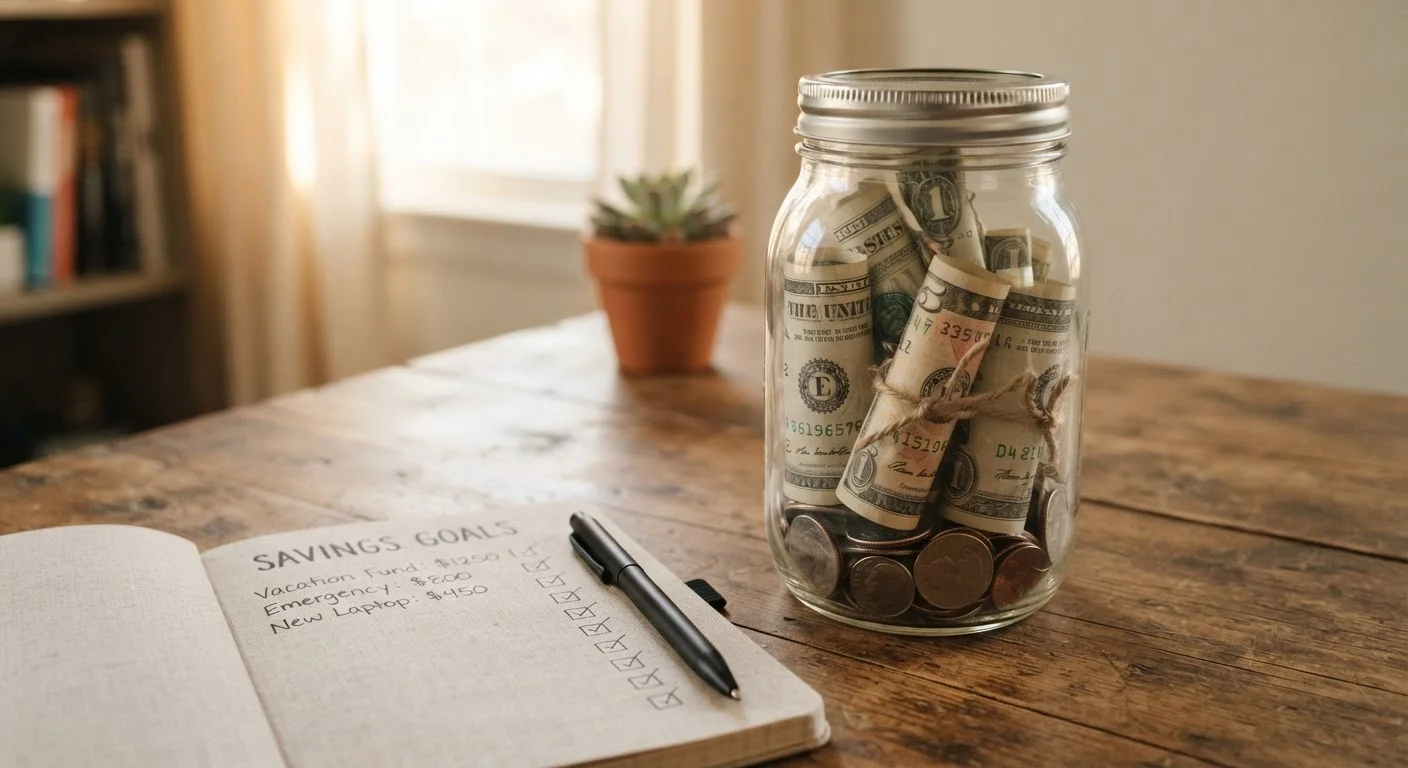
Photo: FaqsBay.com | Trending Blogs, Top Genres editorial
Key Takeaways
- An emergency fund covers unplanned, urgent costs—not predictable expenses or discretionary spending.
- Most financial guidance recommends saving three to six months of essential living expenses.
- The right target amount depends on your income stability, household size, and existing obligations.
- Your emergency fund should be liquid and accessible but kept separate from everyday checking.
- High-yield savings accounts and money market accounts are commonly used options for emergency funds.
- Building the fund gradually with automatic transfers is a practical approach for most budgets.
What an Emergency Fund Actually Is
An emergency fund is money you set aside specifically for financial surprises—the kind you cannot predict and cannot delay. Think of it as a private safety net that catches you before you fall into debt. It is not a general savings account, and it is not money you dip into for everyday shortfalls or planned purchases.
The distinction matters. If you use the same account for emergencies and for saving toward a vacation, the money tends to disappear before any real emergency arrives. Keeping the fund separate—both physically and mentally—is what makes it reliable.
It is also worth understanding what an emergency fund is not. It is not a sinking fund for known upcoming costs like a car registration or holiday gifts. For those, a different approach applies—see our comparison of sinking funds and emergency funds for a clear breakdown of how the two tools differ.
Emergency Fund vs. Sinking Fund: A Key Distinction
How Big Should Your Emergency Fund Be?
The most common guidance is to save three to six months of essential living expenses. Essential expenses include housing, utilities, groceries, transportation, insurance premiums, and minimum debt payments—not discretionary spending like dining out or streaming services.
Where you land within that range depends on a few factors:
- Income stability: Freelancers, contract workers, and those in commission-based roles typically benefit from a larger cushion—closer to six months or beyond—because income interruptions are more likely.
- Household composition: Two-income households may manage with three months, since one partner losing a job does not eliminate all income. Single-income households carry more risk.
- Dependents and obligations: Children, aging parents, or significant fixed debts argue for a larger fund.
If three to six months feels out of reach right now, start with a more immediate goal: $1,000. That amount handles the majority of common single emergencies—a car repair, an unexpected medical copay—without requiring years of saving first. Once you hit $1,000, build toward the fuller target.
~57%
Americans unable to cover a $1,000 emergency from savings
According to Bankrate's annual emergency savings report, a majority of U.S. adults would need to borrow or use credit to handle a $1,000 unexpected expense.
3–6 months
Widely recommended emergency fund coverage target
This range is cited consistently by financial planning organizations and consumer finance educators as a practical baseline for most households.
1–2 days
Typical transfer time from high-yield savings accounts
Most high-yield savings accounts held at FDIC-insured online banks allow fund transfers to a linked checking account within one to two business days.
Where to Keep Your Emergency Fund
The right account for an emergency fund balances three things: accessibility, safety, and some return on your balance. Here is how common options stack up:
- High-yield savings account (HYSA)
- Offered by many online banks and credit unions, these accounts pay meaningfully more interest than traditional savings accounts while keeping your money FDIC-insured and accessible within one to two business days.
- Money market account
- Similar to a high-yield savings account in function, often with check-writing or debit card access. FDIC-insured at participating institutions.
- Traditional savings account
- Safe and accessible, but typically pays very little interest. Acceptable if convenience is a priority, but a high-yield alternative is usually a straightforward upgrade.
What to avoid: investing emergency funds in the stock market, locking them in a certificate of deposit (CD) with an early-withdrawal penalty, or leaving them in a checking account where they blend with spending money and get used up.
Keeping the fund at a different bank than your primary checking account adds a small practical barrier that discourages casual use—a feature, not a bug.
How to Build One Without Derailing Your Budget
The most reliable way to build an emergency fund is to make saving automatic. Set up a recurring transfer from your checking account to your dedicated savings account each payday—even if it is just $25 or $50 to start. You adjust spending to what remains, rather than trying to save whatever is left over at month's end.
A few practical approaches that work for many people:
- Treat it like a bill. Schedule the transfer on the same day your paycheck arrives so the money moves before you can spend it.
- Redirect windfalls. Tax refunds, work bonuses, or monetary gifts are opportunities to accelerate your fund without changing your monthly budget.
- Increase contributions over time. Each time your income rises or a debt is paid off, redirect part of that freed cash toward the emergency fund until it reaches your target.
Building this fund fits naturally into a broader budgeting practice. Our budgeting basics hub offers practical frameworks for tracking spending and finding room to save. And for context on where an emergency fund fits in the bigger picture of your financial life, the financial milestones most adults should plan for walks through how this goal connects to other key steps.
Automate Before You Spend
This article is for general informational and educational purposes only. It does not constitute personalized financial advice. Consult a qualified financial professional for guidance specific to your circumstances.
Frequently Asked Questions
The content provided on our blog site traverses numerous categories, offering readers valuable and practical information. Readers can use the editorial team’s research and data to gain more insights into their topics of interest. However, they are requested not to treat the articles as conclusive. The website team cannot be held responsible for differences in data or inaccuracies found across other platforms. Please also note that the site might also miss out on various schemes and offers available that the readers may find more beneficial than the ones we cover.