
The Emergency Fund Explained: What It Is and Why It Matters

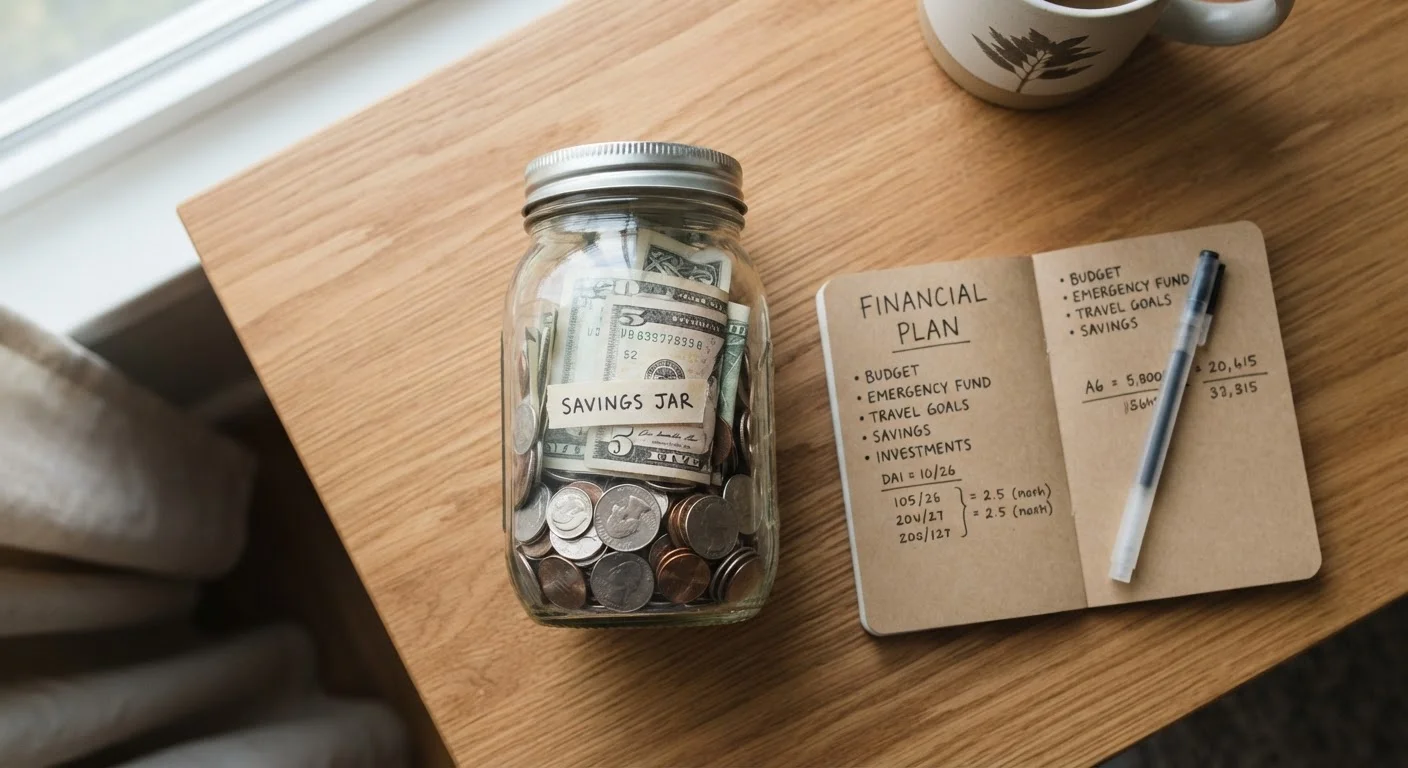
Photo: FaqsBay.com | Trending Blogs, Top Genres editorial
Key Takeaways
- An emergency fund covers unexpected, essential costs — not planned purchases or routine bills.
- Most financial guidance suggests saving three to six months of essential living expenses.
- The fund should be kept in a liquid, low-risk account — not invested in stocks or tied up in CDs.
- Starting small is valid; even a $500 buffer meaningfully reduces reliance on credit cards.
- Emergency funds and sinking funds serve different purposes and work best together.
What an Emergency Fund Actually Is
An emergency fund is a reserved pool of cash set aside exclusively for genuine, unforeseen financial shocks. It is not a general savings account you dip into for everyday expenses, nor is it money earmarked for a planned purchase. It exists as a protective layer between your regular financial life and the unexpected events that can derail it.
The concept is straightforward, but the discipline it requires is often underestimated. Many households operate without one, relying instead on credit cards or personal loans when crises arise — an approach that can transform a temporary setback into a lasting debt problem. An emergency fund short-circuits that cycle by giving you a resource that costs nothing to access.
It's worth distinguishing an emergency fund from a sinking fund, which is money intentionally saved for a predictable future cost. The two tools serve very different purposes and work best when used alongside each other.
How Large Should It Be?
The most widely cited benchmark is three to six months of essential living expenses. To calculate this, total only the non-negotiable costs you'd need to cover if your income stopped: rent or mortgage, utilities, groceries, transportation, insurance, and minimum debt payments. This is not your total monthly spending — discretionary items like dining out or subscriptions are excluded from the baseline.
~57%
Americans unable to cover a $1,000 emergency from savings
According to Bankrate's annual Emergency Savings Report, a majority of U.S. adults would struggle to pay for an unexpected $1,000 expense without borrowing.
3–6 months
Recommended essential expense coverage
This is the range most widely cited by personal finance educators and nonprofit financial counseling organizations as a baseline emergency fund target.
$500
A meaningful starter emergency buffer
Financial educators often recommend $500–$1,000 as an initial milestone that covers the most common minor emergencies before building toward a full fund.
The right target varies by individual situation. Someone with a stable salaried job, no dependents, and a dual-income household may be comfortable at the lower end of that range. A freelancer, a single-income parent, or someone in a specialized field where job searches take longer may want to target closer to six months — or even beyond that. Think about how long it would realistically take you to replace your income if you lost your job today.
Starting small is not failure. A $500 buffer is genuinely meaningful — it covers a car repair or a medical co-pay without touching a credit card. Building toward a full fund over time is a sound and realistic approach.
Where to Keep the Money
An emergency fund has two non-negotiable requirements: it must be liquid (accessible quickly, without penalties) and stable (not subject to market swings). Those two criteria rule out most investment vehicles.
A high-yield savings account at a federally insured bank or credit union is the most common choice. These accounts keep your money safe, pay modest interest, and allow you to transfer funds within a business day or two when needed. Money market accounts are another common option with similar characteristics.
Keep It Separate — Intentionally
What you want to avoid: investing your emergency fund in stocks, ETFs, or mutual funds. Markets can decline sharply — and often do during the same economic conditions (like a recession) that might cause you to lose a job. Accessing funds during a market downturn could mean selling at a loss right when you most need that money.
Keeping the fund in a separate account from your everyday checking also helps. Out of sight and slightly out of reach makes it less tempting to treat it as a spending reserve. For a deeper look at account types and sizing strategies, see our full guide on emergency fund sizing and account options.
Building and Replenishing the Fund
Building an emergency fund doesn't require a windfall — it requires consistency. Automating a fixed transfer to your emergency savings account each payday removes the decision from your monthly routine. Even modest amounts compound meaningfully over months and years.
Common approaches include directing any tax refund, work bonus, or irregular income directly into the fund until it reaches your target. Some people find it helpful to set a specific milestone — say, $1,000 — and celebrate reaching it before moving toward a larger goal.
Once you use the fund, replenishing it becomes a near-term priority. Treat the rebuild phase with the same deliberate effort used to build it initially. An emergency fund that gets used and never rebuilt stops functioning as a safety net.
An emergency fund is also one of the foundational financial milestones worth mapping out early — establishing it creates stability that supports every other financial goal you pursue afterward.
This article is for general informational and educational purposes only. It does not constitute personalized financial advice. Consider consulting a qualified financial professional for guidance specific to your situation.
Frequently Asked Questions
The content provided on our blog site traverses numerous categories, offering readers valuable and practical information. Readers can use the editorial team’s research and data to gain more insights into their topics of interest. However, they are requested not to treat the articles as conclusive. The website team cannot be held responsible for differences in data or inaccuracies found across other platforms. Please also note that the site might also miss out on various schemes and offers available that the readers may find more beneficial than the ones we cover.