
The Rule of Three in Home Décor: Why Odd Numbers Work

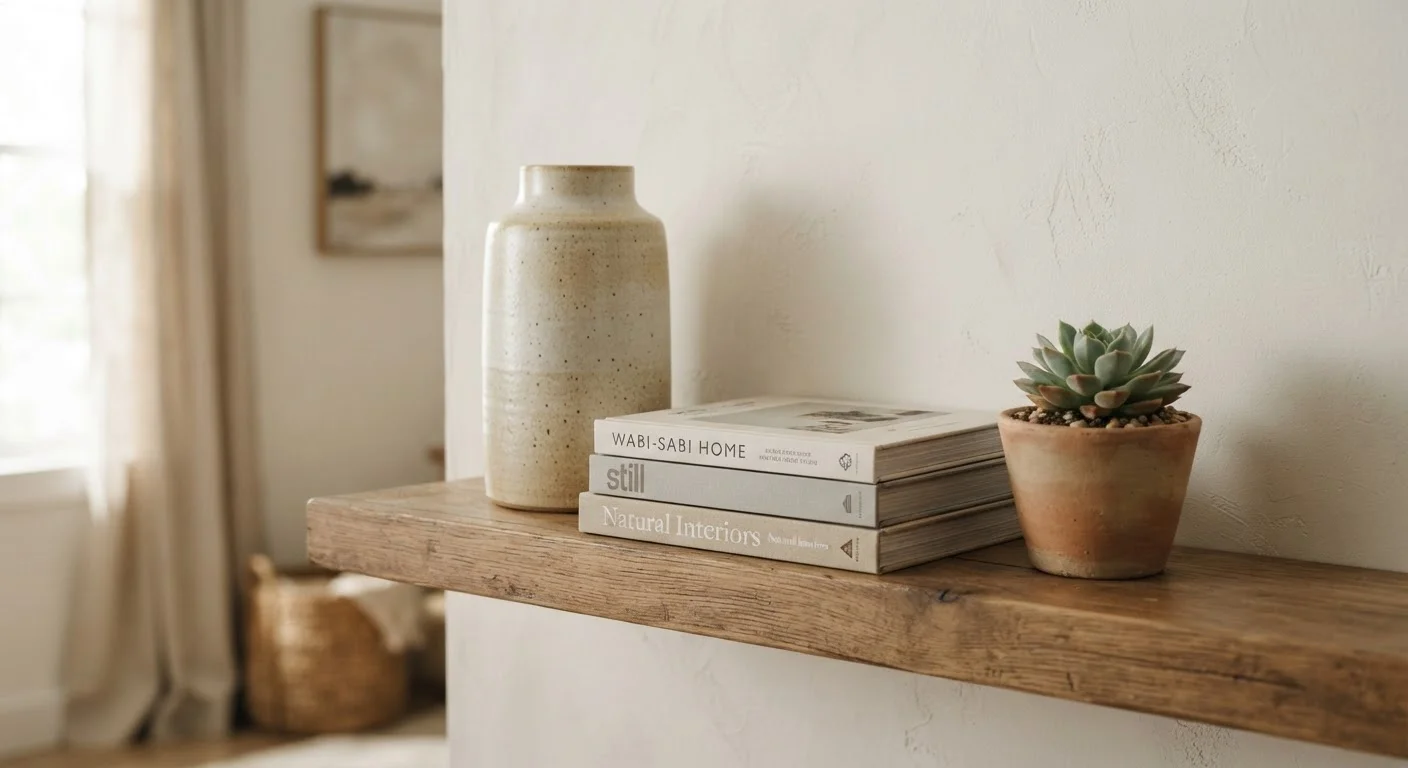
Photo: FaqsBay.com | Trending Blogs, Top Genres editorial
Key Takeaways
- Odd-numbered groupings feel more natural and dynamic than even-numbered ones because the eye moves through them rather than stopping.
- The Rule of Three works best when objects vary in height, texture, or scale — similarity in one quality, variety in others.
- This principle applies across every room: shelves, mantels, tabletops, gallery walls, and outdoor spaces.
- You don't need to buy new items — rearranging what you already own in groups of three costs nothing.
- The rule is a starting point, not a rigid requirement; it breaks productively once you understand why it works.
Why the Human Brain Prefers Odd Numbers
Even-numbered groupings create visual tension — the eye moves from one side to the other and back again, like a metronome. There's no obvious resting point, and the composition can feel static or overly formal. Odd-numbered groups, by contrast, give the eye a path. It enters the arrangement, moves through it, and lands naturally. The result reads as balanced without feeling rigid.
This is why designers reach for groupings of three before any other number. Three is the smallest odd group large enough to create movement, and small enough to manage on almost any surface. The principle mirrors patterns that appear naturally — think of a cluster of trees, three stones in a stream — which may be part of why the composition feels resolved rather than arbitrary.
“Odd numbers are inherently more interesting and create visual tension that draws the eye. An even number of objects can feel static — the eye bounces back and forth between equal sides and doesn't know where to land.”
— Nate Berkus, Interior designer and author
Understanding the psychology helps you apply the rule with intention rather than by rote. You're not grouping things in threes because a designer told you to; you're doing it because your eye will thank you every time you walk into the room.
The Practical Formula: Vary Height, Unify Theme
The most reliable way to build a successful trio is to vary height while linking the objects through one shared quality — material, color family, or subject matter. A tall ceramic vase, a medium candle, and a small succulent in similar earthy tones reads as a coherent group even though the objects are entirely different. The height variation creates the visual triangle; the shared tone holds it together.
Test Your Grouping Before Committing
What to avoid: grouping three items that are nearly identical in height. The arrangement flattens out and loses the dynamic movement odd numbers are supposed to create. A rough guideline is to aim for a tall item (roughly double the height of the shortest), a medium, and a small. Even modest height differences are enough to establish a clear hierarchy.
Texture adds a second layer of interest without complicating the composition. Pairing a smooth glass bottle with a rough-hewn wooden box and a matte clay bowl gives the eye multiple points of engagement, even within a tight grouping. This approach is particularly useful when your three objects share a color palette — texture prevents the group from reading as monotone.
Room-by-Room Applications
Living room shelves and mantels: These are where the Rule of Three is most intuitively applied. Stack a few books horizontally to create a platform, add a mid-height object on top, and flank with something taller on one side. You've built a triangle without purchasing anything new. For longer surfaces like mantels, consider two or three separate trios spaced with breathing room between them rather than a single sprawling grouping.
Dining and coffee tables: A centerpiece arrangement of three objects — a low bowl, a taper candle, and a small sculptural piece — works much better than a single large centerpiece because it spans the table naturally without dominating it. Vary the heights, keep a unified palette, and leave negative space around the group so it doesn't compete with the table's function.
Bedroom nightstands: Space is tight here, but a trio still works: lamp (tall), a small stack of books (medium), a glass of water or a small plant (low). The trio is functional and composed. If you're working with a single nightstand, this is where the Rule of Three earns its keep — it makes a limited surface feel intentional rather than cluttered.
Gallery walls: The rule applies to framed art groupings too, though it's more nuanced. Arranging three frames of different sizes — even on a larger wall — creates a focal point with clear visual hierarchy. For more complex arrangements, our gallery wall layout guide covers how to expand these principles without losing cohesion.
3
Objects needed to create a visual triangle
Interior design education programs widely cite the triangle composition as the foundational grouping exercise taught in staging and visual merchandising training.
~60%
Visual weight recommended for dominant color in a palette
The classic 60-30-10 color rule — a separate but related principle — mirrors the Rule of Three by dividing a room's palette into three proportional layers rather than two.
When to Break the Rule (and How)
The Rule of Three is a principle, not a law. Once you understand what it achieves — a sense of movement, hierarchy, and visual rest — you'll know when breaking it serves the space. A pair of matching lamps flanking a bed headboard works precisely because symmetry is the point: it signals calm, balance, and order. That's a deliberate creative choice, not an error.
Similarly, a single large statement object — an oversized botanical print, a sculptural floor lamp — doesn't need to be part of a trio. Its scale creates its own presence. The Rule of Three is most useful when you're working with smaller-scale objects that need compositional support to read well together.
If you're reassessing a room that isn't quite working, before rearranging or buying anything, run through a room refresh checklist to isolate whether composition — rather than color or furniture scale — is the actual problem. Often, rearranging existing objects into odd-numbered groups is all a space needs. It costs nothing and the effect is immediate.
Some so-called décor rules create real problems — see our article on decorating myths that waste money for a clear breakdown. The Rule of Three is one of the few guidelines that holds up across styles, room sizes, and budgets precisely because it's rooted in how vision actually works, not in trend or convention.
Frequently Asked Questions
The content provided on our blog site traverses numerous categories, offering readers valuable and practical information. Readers can use the editorial team’s research and data to gain more insights into their topics of interest. However, they are requested not to treat the articles as conclusive. The website team cannot be held responsible for differences in data or inaccuracies found across other platforms. Please also note that the site might also miss out on various schemes and offers available that the readers may find more beneficial than the ones we cover.