
Decorating Myths That Waste Money and Space

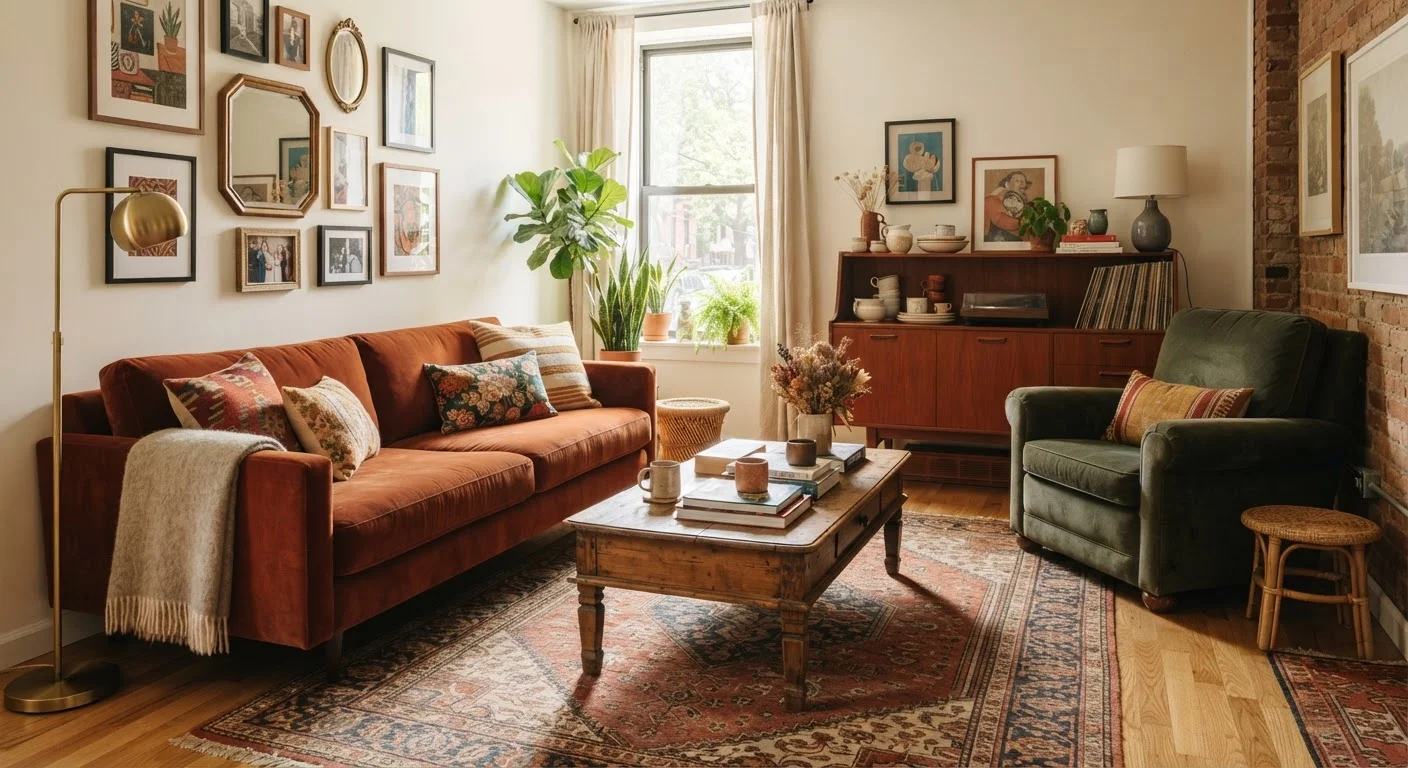
Photo: FaqsBay.com | Trending Blogs, Top Genres editorial
Key Takeaways
- Small rooms can handle large-scale furniture; oversized pieces often make tight spaces feel more intentional.
- Matching furniture sets eliminate the visual variety that makes a room feel layered and lived-in.
- White walls are not a neutral safe choice — undertones react dramatically to your room's specific light.
- Area rugs sized too small are one of the most common and costly decorating mistakes homeowners make.
- Trendy décor purchases that feel urgent rarely hold their value or longevity in a real-world room.
Why Decorating Myths Are So Persistent
Most decorating rules were never rules at all — they were shortcuts repeated often enough that they started sounding like law. The problem is that some of these shortcuts actively work against you, causing you to buy furniture that doesn't fit, paint colors that disappoint, and accessories that clutter rather than elevate.
Before spending money on your next room refresh, it's worth running through what's actually true versus what's just conventional wisdom. The room refresh checklist is a useful place to start, but first, let's clear out some of the myths getting in the way.
Myth
Small rooms need small furniture. Oversized pieces will overwhelm the space.
Fact
One or two appropriately scaled anchor pieces often make a small room feel larger and more intentional than a collection of small, mismatched items.
The logic seems sound — big furniture in a small room must crowd it. In practice, the opposite frequently occurs. A room filled with small-scale pieces tends to feel busy and visually fragmented. A single large sofa or a substantial dining table grounds the space, gives the eye a place to rest, and can actually make walls feel further away. The key is editing: one large statement piece, not several competing ones. For more on applying this in compact spaces, see small space décor principles.
Myth
Matching furniture sets are the safest decorating choice.
Fact
Matching sets produce visual monotony. A curated mix of complementary pieces reads as more sophisticated and is usually more affordable.
Furniture suites sold as sets are convenient, but convenience isn't the same as good design. When every piece in a room shares the same finish, leg style, and silhouette, the result is a showroom floor — not a home. Designers consistently build rooms by mixing eras, materials, and proportions, unified by a consistent color palette or repeated texture. This approach is also more budget-friendly: you can invest in a quality anchor piece and source secondary items from a range of price points.
Myth
White walls are always a safe, neutral backdrop.
Fact
White paint has strong undertones — green, pink, yellow, or blue — that shift dramatically depending on your room's light source and floor color.
There is no single "white." Paint chips that look clean in the store can read unmistakably green or lavender once applied to a north-facing wall. The undertone in a white paint is determined by the pigments used to tint it, and those undertones react to natural light direction, artificial bulb temperature, and the colors already in the room. Before committing, test large swatches (at least 12 inches square) on multiple walls and observe them at different times of day. An accent wall can shift perceived room dimensions further still.
Myth
Area rugs should be small enough to leave most of the floor visible.
Fact
An undersized rug is one of the most common decorating mistakes. Most rooms need a rug large enough for all key furniture legs to sit on or near it.
A too-small rug floats in the middle of a space like an island, visually shrinking both itself and the room around it. Interior designers commonly recommend that in a living room, the front legs of the sofa and chairs should sit on the rug at minimum — ideally all four legs for a more grounded, unified look. In a dining room, the rug should extend far enough that chairs remain on it even when pulled out. Sizing up costs more initially but eliminates the need for an eventual replacement when the room never quite settles.
Myth
You should decorate around a trend to keep your space feeling current.
Fact
Trend-chasing décor purchases have a short shelf life and rarely integrate well with existing pieces, leading to repetitive spending.
Trends cycle quickly in home décor, and purchases made primarily to feel current often feel dated within a few seasons. A more durable approach is to invest in classic, well-proportioned foundational pieces and use low-cost, easily swappable accessories — throw pillows, candles, table objects — to incorporate seasonal or trending elements. Seasonal décor swaps offer a practical framework for staying fresh without committing to expensive trend purchases.
Myth
Open shelving always makes a room feel bigger and more stylish.
Fact
Open shelving requires consistent curation to look intentional; without it, it reads as visual clutter and adds ongoing maintenance demands.
Open shelving has genuine design appeal when styled thoughtfully, but it comes with real trade-offs. Dust accumulates on displayed items, and the styling needs regular attention to avoid looking chaotic. In high-traffic or high-humidity areas like kitchens, open shelves can be impractical. Whether open or closed storage better serves a specific room depends on lifestyle, available time for maintenance, and what's actually being stored. The open shelving vs. closed cabinets breakdown covers the trade-offs in detail.
How These Myths Cost You Actual Money
The real damage isn't just aesthetic — these misconceptions have a direct financial impact. Purchasing a full matching bedroom set because it feels "safe" can mean spending significantly more upfront for a look that quickly feels flat. Buying undersized rugs — possibly the single most repeated decorating mistake — means eventually replacing them when the room never quite comes together.
~80%
Homeowners who replace undersized rugs within 2 years
Interior designers frequently cite the rug-sizing mistake as among the most common and most repeated purchases homeowners make when furnishing a room.
3–5x
Cost premium of matching furniture suites vs. mixed sourcing
Buying a coordinated set from a single retailer can cost substantially more than assembling comparable pieces across multiple sources at different price points.
Matching furniture suites also tend to lock you into a single retailer's pricing and style, limiting your ability to swap out pieces over time. A more flexible approach — anchoring with one or two quality investment pieces and mixing in secondary items — gives you both visual richness and better long-term value.
If you're decorating a rental, the stakes are different but the myths still apply. See decorating a rental without losing your deposit for strategies that work within your constraints.
Measure Before You Buy — Every Time
Understanding what a room actually needs — rather than what a myth tells you it needs — is the foundation of smart decorating. For a deeper look at why a space might feel wrong despite looking technically correct, why your room feels off covers the underlying causes in detail.
The content provided on our blog site traverses numerous categories, offering readers valuable and practical information. Readers can use the editorial team’s research and data to gain more insights into their topics of interest. However, they are requested not to treat the articles as conclusive. The website team cannot be held responsible for differences in data or inaccuracies found across other platforms. Please also note that the site might also miss out on various schemes and offers available that the readers may find more beneficial than the ones we cover.