
Decorating a Rental Without Losing Your Deposit

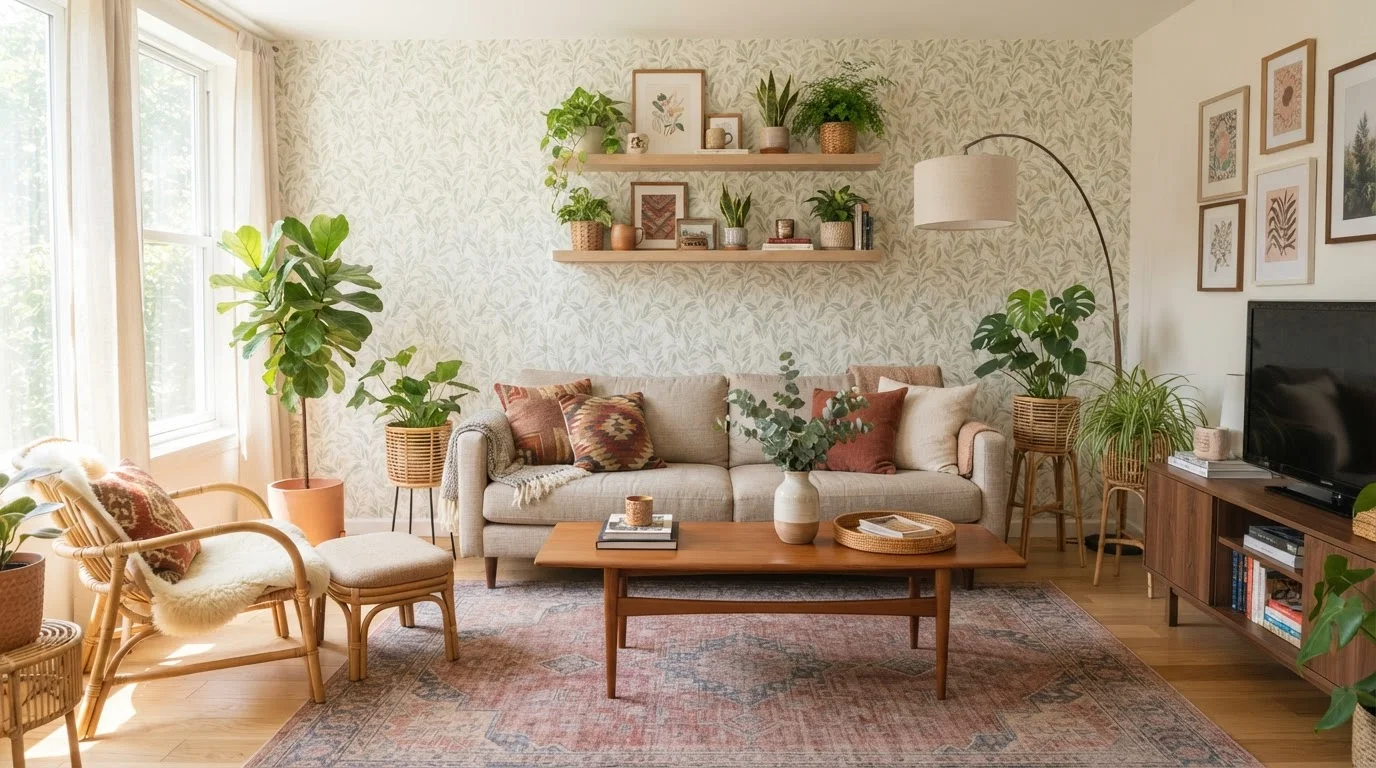
Photo: FaqsBay.com | Trending Blogs, Top Genres editorial
Key Takeaways
- Document the unit's condition thoroughly before decorating to protect your deposit.
- Removable wallpaper, peel-and-stick tiles, and tension rods are powerful, reversible tools.
- Layering textiles and furniture does more visual work than any permanent modification.
- Always read your lease before making any wall or fixture changes.
- Deposit-safe decorating can be just as impactful as permanent renovation.
Why Renters Often Underestimate Their Options
The instinct to leave rental walls bare and floors uncovered is understandable — but it often leads to years spent in a space that never feels like home. The good news is that the gap between a bland unit and a genuinely inviting one can be closed almost entirely with reversible, non-damaging approaches. The challenge isn't a lack of options; it's knowing which tools to reach for and in what order.
Before starting any decorating project, it helps to run a clear-eyed assessment of what the space actually needs. Our room refresh checklist is a practical starting point for identifying real priorities versus impulse decisions. That kind of structured thinking matters even more in a rental, where every change carries a financial consideration.
Read Your Lease Before You Decorate
The strategies below work across apartment types and budget ranges. None of them require trade skills, and all of them can be fully reversed at move-out.
What You'll Need Before You Start
Gathering the right materials upfront prevents mid-project decisions that lead to costly mistakes. For renters, the most important preparatory step isn't buying anything — it's reviewing your lease and documenting the unit's existing condition.
What you will need
Smartphone or Camera
Document the unit's pre-decoration condition with timestamped photos for deposit protection.
Removable Wallpaper or Peel-and-Stick Wall Panels
Add color, pattern, or texture to walls without paint or permanent adhesive.
Tension Rods
Hang curtains, room dividers, or display items without drilling into walls or window frames.
Large Area Rug
Define zones, add warmth, and conceal worn flooring without any permanent changes.
Adhesive Strips (Command-style)
Mount lightweight frames, hooks, and shelving without nails or wall damage.
Furniture Risers and Shelf Brackets
Adjust furniture height or create the appearance of built-in shelving without tools.
Once you have your documentation in place and your lease reviewed, work through the steps below in order. The sequence matters: foundational decisions like rugs and furniture arrangement shape everything that comes after.
Step-by-Step: Decorating Without Risking Your Deposit
Document Every Room Before You Begin
Before moving a single piece of furniture or hanging anything, photograph every wall, floor, ceiling, fixture, and appliance in the unit. Capture existing scuffs, nail holes, stains, or damage clearly. Store these images somewhere time-stamped and backed up — your email or cloud storage works well. This documentation is your single most important deposit-protection tool and takes priority over every decorating decision that follows.
Anchor Your Design with Rugs and Textiles
A large area rug is the most impactful deposit-safe investment you can make. It defines the room's layout, adds warmth underfoot, and can mask worn or unattractive flooring entirely. Layer with throw blankets, curtains (hung on tension rods), and cushion covers to bring in color and texture without touching a wall. Swapping textiles seasonally is one of the most cost-effective ways to keep a space feeling fresh — see seasonal décor swap strategies for ideas that work year-round.
Use Removable Wallpaper on a Single Accent Area
Removable peel-and-stick wallpaper has matured significantly as a product category. Applied to one wall, the back of a bookcase, or the interior of a closet, it creates a visual focal point that rivals a painted feature wall. Measure carefully, start from the top, and smooth out bubbles as you work down. When it's time to move out, slow, steady removal — especially in conditions closer to room temperature — minimizes the risk of damage.
Hang Art and Shelves with Adhesive Strips
Adhesive hanging strips rated for the weight of your items let you display framed art, small mirrors, and lightweight shelving without drilling. Always follow the weight rating exactly — overloading strips is the primary reason they fail. For a gallery wall effect, plan the arrangement on the floor first, measure precisely, and press each strip firmly per the product instructions. Before removing, pull the tab slowly at a low angle rather than yanking outward to avoid paint damage.
Add Architectural Interest Without Permanent Changes
Renters often feel limited by flat, featureless walls — but several approaches add visual structure reversibly. Tall bookcases placed against a wall create a built-in look. Freestanding room dividers or folding screens define zones in open-plan layouts. Peel-and-stick floor decals can mimic tile patterns in bathrooms or entryways. For window treatments, tension rods and clip-on curtain rings eliminate the need for any bracket installation. Before going further with any change, it's worth checking which decorating assumptions might actually be working against you.
Restore the Space Before Move-Out
Weeks before your move-out date, remove all adhesive products slowly and carefully. Fill any small nail holes you were permitted to make with the appropriate spackling compound, let dry, and lightly sand flush. Clean all surfaces thoroughly. Then compare the current state of each room against your move-in photos. If any damage has occurred beyond normal wear and tear, address it proactively — landlords are far more likely to retain deposits over unresolved issues than minor imperfections that were properly disclosed.
Peel-and-Stick Products Aren't All Equal
Making It Feel Like Yours — Without Overcomplicating It
The most effective rental decorating strategies share a common trait: they focus on layers rather than modifications. Textiles, lighting, plants, and thoughtfully arranged furniture carry more visual weight than most permanent changes, and they travel with you when you move.
Use Furniture as Your Primary Design Tool
Renters who want to go deeper on making a space feel truly designed — not just furnished — will find that many of the principles outlined in small-space décor guides apply directly to rental situations. The constraints are similar; the solutions overlap considerably.
Finally, keep perspective on cost. Rental decorating done well doesn't require a large budget — it requires clear priorities. Decide what one or two changes will have the most impact, invest there first, and resist the temptation to over-accessorize. A few well-chosen pieces in a well-lit, well-arranged room will always outperform a cluttered space full of compromise purchases.
The content provided on our blog site traverses numerous categories, offering readers valuable and practical information. Readers can use the editorial team’s research and data to gain more insights into their topics of interest. However, they are requested not to treat the articles as conclusive. The website team cannot be held responsible for differences in data or inaccuracies found across other platforms. Please also note that the site might also miss out on various schemes and offers available that the readers may find more beneficial than the ones we cover.