
The Real Cost of Owning a Vehicle Beyond the Purchase Price

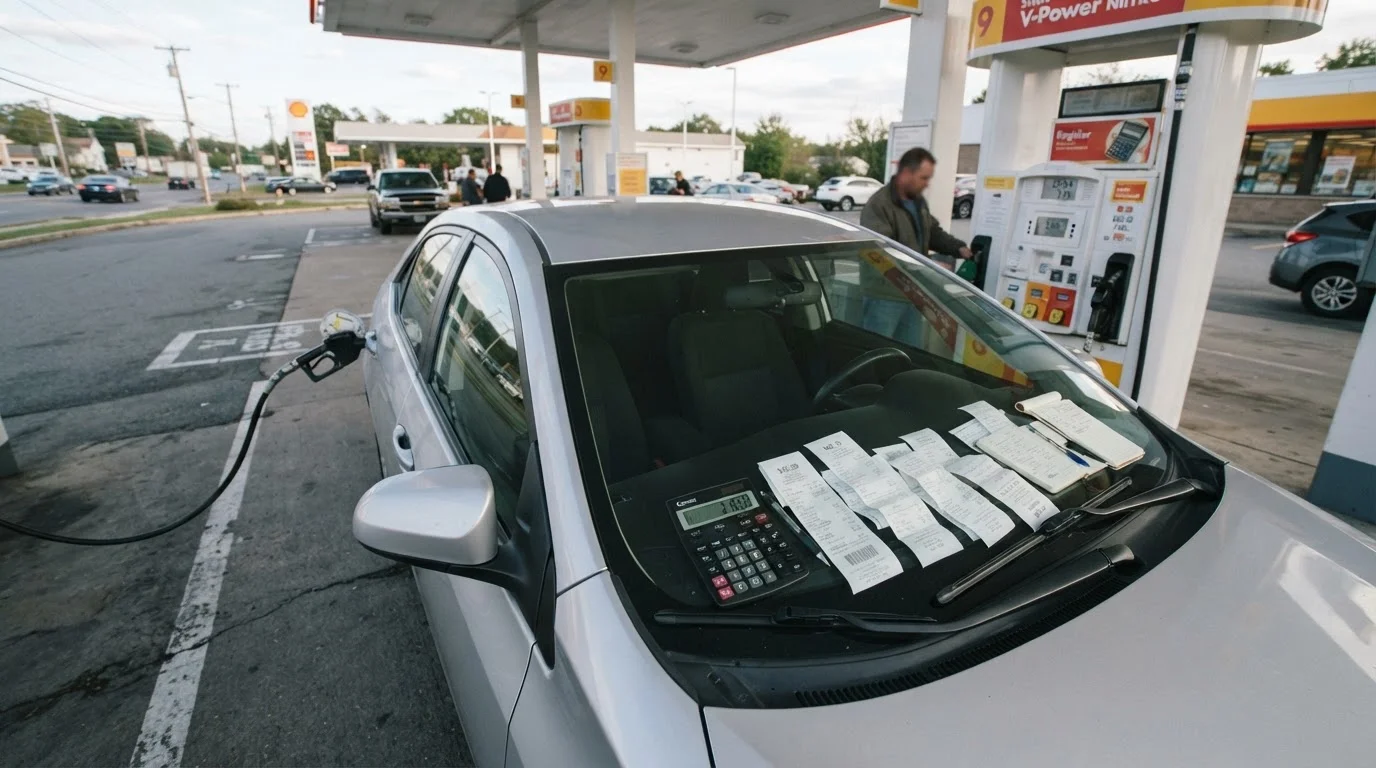
Photo: FaqsBay.com | Trending Blogs, Top Genres editorial
Why the Purchase Price Is Only the Starting Point
When most people budget for a car, they focus on the monthly payment or the sticker price. But the purchase price represents only a fraction of what you'll actually spend. Industry research consistently shows that total annual ownership costs - spanning fuel, insurance, maintenance, depreciation, and fees - can significantly exceed what buyers initially anticipate.
Understanding the full cost picture before you sign is one of the most practical steps you can take. Our guide to the full car-buying lifecycle walks through every stage of the process, but this reference focuses specifically on the ongoing financial commitments that begin the moment you drive off the lot.
The Five Major Cost Categories Every Owner Faces
Depreciation
Depreciation - the loss in a vehicle's market value over time - is typically the single largest cost of ownership, yet it's rarely discussed at the dealership. New vehicles can lose a substantial portion of their value within the first few years. Used vehicles depreciate more slowly, which is one reason the cost comparison isn't always straightforward. See our breakdown in New Car vs. Used Car: What the Price Gap Actually Tells You.
Fuel
Fuel costs depend on your local gas prices, your annual mileage, and the vehicle's fuel efficiency rating (measured in miles per gallon, or MPG). A simple estimate: divide your annual miles by the vehicle's MPG, then multiply by the average fuel price per gallon in your area.
Insurance
Auto insurance is legally required in nearly every U.S. state and varies widely based on your driving record, location, the vehicle type, and coverage levels. Premiums can range from a few hundred to several thousand dollars annually. Our car insurance hub covers coverage types and how costs are determined. Separating fact from fiction is also important - common insurance myths can lead to costly assumptions.
Maintenance and Repairs
Routine maintenance - oil changes, tire rotations, brake inspections, fluid top-offs - is necessary to keep a vehicle safe and running efficiently. Repair costs are harder to predict but tend to rise as a vehicle ages. Avoiding unnecessary services matters too; car maintenance myths can quietly drain your wallet if you're not informed. For a broader overview, visit our car maintenance hub.
Registration, Taxes, and Fees
Annual registration fees, state and local taxes, and emissions or inspection requirements vary by location but represent a real recurring cost. Some states also charge personal property taxes on vehicles each year.
Estimating Your Own Annual Cost
A reasonable framework for estimating total annual vehicle cost includes adding up five components: depreciation (estimated from market value guides), fuel (mileage ÷ MPG × price per gallon × 12 months), insurance premiums, scheduled maintenance and estimated repairs, and registration and fees. While exact figures vary by vehicle, location, and usage, this approach helps you compare true ownership costs - not just monthly payments.
The goal isn't to discourage car ownership, but to ensure you're budgeting accurately and choosing a vehicle whose total cost aligns with your financial situation. A vehicle with a lower purchase price but poor fuel economy or high insurance costs may cost more annually than a pricier alternative with better efficiency and lower premiums.
This article is for general informational purposes only and does not constitute financial or legal advice. Costs vary significantly by location, vehicle, and individual circumstances. Consult a qualified financial professional for guidance specific to your situation.
The content provided on our blog site traverses numerous categories, offering readers valuable and practical information. Readers can use the editorial team’s research and data to gain more insights into their topics of interest. However, they are requested not to treat the articles as conclusive. The website team cannot be held responsible for differences in data or inaccuracies found across other platforms. Please also note that the site might also miss out on various schemes and offers available that the readers may find more beneficial than the ones we cover.