
Solo Road Trips Across the US: The Honest Trade-Offs

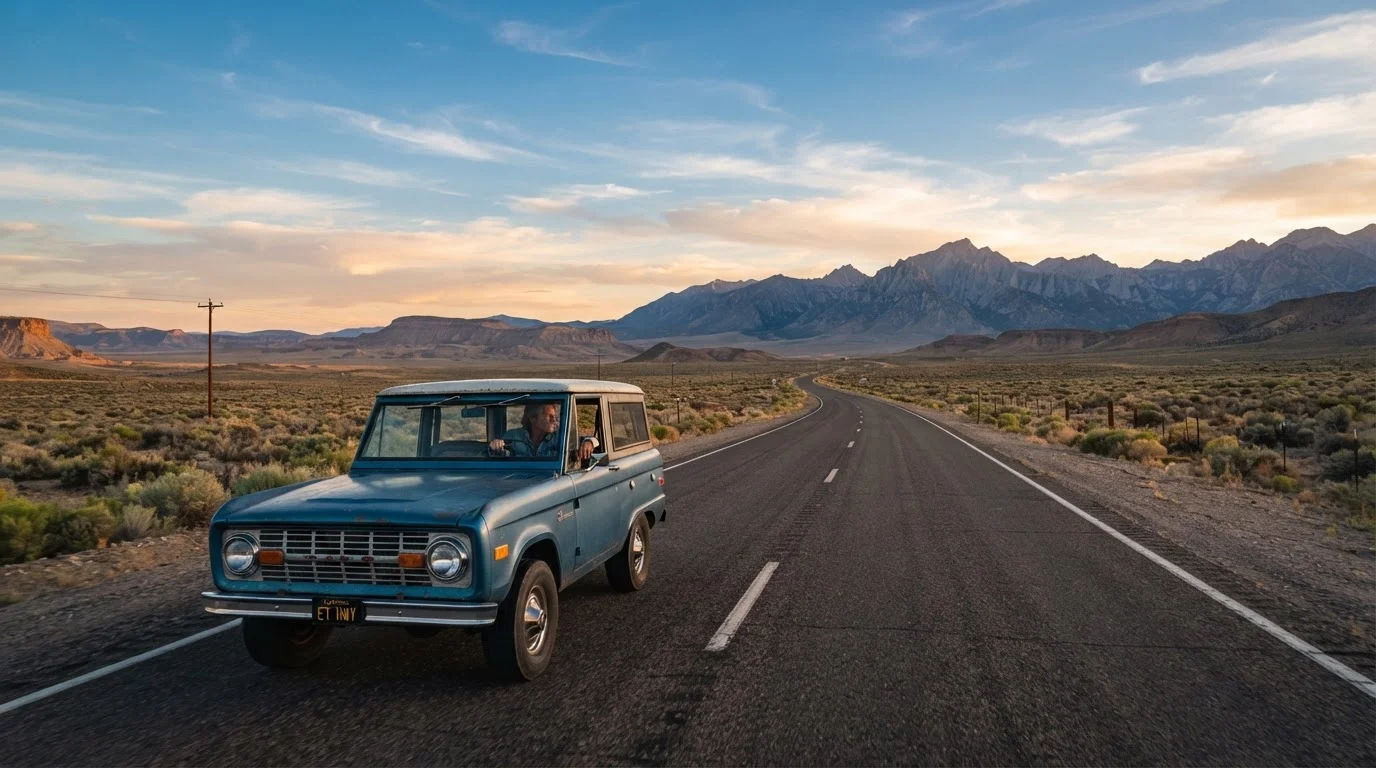
Photo: FaqsBay.com | Trending Blogs, Top Genres editorial
Key Takeaways
- Solo road trips give you complete control over pace, route, and stops — no compromises required.
- Driver fatigue is the most underestimated risk of traveling alone by car over long distances.
- Solo travelers absorb the full cost of gas, lodging, and tolls without anyone to split expenses with.
- Careful pre-trip planning and check-in routines significantly reduce the safety risks of driving alone.
- The psychological benefits of solo travel — reflection, confidence, autonomy — are real and well-reported.
Total control over pace and itinerary
You stop when you want, linger as long as you like, and change plans without negotiating with anyone. This autonomy produces a more personal, responsive travel experience.
Deep mental reset and self-reflection
Long stretches of solo driving — especially through open landscape — offer uninterrupted thinking time that many travelers describe as uniquely restorative. The absence of social obligation is itself a kind of rest.
Easier to stay within a personal budget
When you travel alone, every spending decision is yours. There's no pressure to dine at pricier restaurants or pay for activities that don't interest you, which makes sticking to a personal budget more straightforward.
Stronger sense of personal accomplishment
Navigating logistics, solving unexpected problems, and completing a long solo drive builds real confidence. Many solo travelers describe these trips as personal milestones, not just vacations.
Easier scheduling — no coordinating with others
Aligning vacation time, preferences, and finances with even one other person is a genuine logistical challenge. Solo trips eliminate that coordination entirely.
No one to share driving duties
Fatigue accumulates faster when you're the only driver. On multi-day, high-mileage routes, this is the single biggest safety and endurance challenge of solo road tripping.
Full cost burden falls on one person
Gas, lodging, tolls, and parking fees are fixed regardless of headcount. A solo traveler pays the same nightly hotel rate as two people — effectively doubling the per-person accommodation cost.
Limited help if something goes wrong
A breakdown, a medical issue, or a wrong turn in an unfamiliar area is harder to manage without a co-pilot. Having no one to assist while you call for help or consult a map is a real vulnerability.
Loneliness on long stretches
Silence is appealing in theory, but days of little human contact can wear on even introverted travelers. Remote routes in particular can go hours without meaningful social interaction.
Safety concerns in unfamiliar or remote areas
Traveling alone through sparsely populated regions — especially overnight — requires more deliberate precaution than the same route with a companion. Cell coverage gaps compound this.
What Makes Solo Road Trips Different
Driving across America alone is a fundamentally different experience than sharing the journey with others. Every decision — when to stop, which detour to take, how long to linger at a roadside diner — is entirely yours. That's both the defining appeal and the central challenge of solo travel by car.
For many Americans, the solo road trip is a bucket-list milestone. But it's worth separating the romanticized version from the reality. If you're weighing whether to hit the road on your own, understanding the honest trade-offs can help you plan smarter — or decide a travel companion might actually suit you better. For a broader look at what holds people back, our guide to road trip myths is worth a read before you commit.
Total control over pace and itinerary
You stop when you want, linger as long as you like, and change plans without negotiating with anyone. This autonomy produces a more personal, responsive travel experience.
Deep mental reset and self-reflection
Long stretches of solo driving — especially through open landscape — offer uninterrupted thinking time that many travelers describe as uniquely restorative. The absence of social obligation is itself a kind of rest.
Easier to stay within a personal budget
When you travel alone, every spending decision is yours. There's no pressure to dine at pricier restaurants or pay for activities that don't interest you, which makes sticking to a personal budget more straightforward.
Stronger sense of personal accomplishment
Navigating logistics, solving unexpected problems, and completing a long solo drive builds real confidence. Many solo travelers describe these trips as personal milestones, not just vacations.
Easier scheduling — no coordinating with others
Aligning vacation time, preferences, and finances with even one other person is a genuine logistical challenge. Solo trips eliminate that coordination entirely.
The Real Downsides You Should Plan For
Solo road trips aren't without friction. The disadvantages aren't dealbreakers for most people, but ignoring them leads to trips that go sideways in predictable ways.
No one to share driving duties
Fatigue accumulates faster when you're the only driver. On multi-day, high-mileage routes, this is the single biggest safety and endurance challenge of solo road tripping.
Full cost burden falls on one person
Gas, lodging, tolls, and parking fees are fixed regardless of headcount. A solo traveler pays the same nightly hotel rate as two people — effectively doubling the per-person accommodation cost.
Limited help if something goes wrong
A breakdown, a medical issue, or a wrong turn in an unfamiliar area is harder to manage without a co-pilot. Having no one to assist while you call for help or consult a map is a real vulnerability.
Loneliness on long stretches
Silence is appealing in theory, but days of little human contact can wear on even introverted travelers. Remote routes in particular can go hours without meaningful social interaction.
Safety concerns in unfamiliar or remote areas
Traveling alone through sparsely populated regions — especially overnight — requires more deliberate precaution than the same route with a companion. Cell coverage gaps compound this.
Solo Doesn't Mean Disconnected
One of the most overlooked costs is the absence of cost-sharing. Hotel rooms, fuel, and tolls are fixed expenses — whether you're one person or two. Our article on where road trip budgets go wrong breaks down exactly where solo travelers tend to overspend.
Safety on Your Own: Practical Strategies
Driving alone doesn't have to mean driving unprepared. The key risks — fatigue, breakdowns, navigating unfamiliar areas at night — all have practical mitigations that experienced solo road trippers treat as non-negotiable habits.
- Share your itinerary: Give a trusted contact your planned route and daily check-in schedule. A simple text each evening takes 30 seconds and provides a meaningful safety net.
- Limit daily mileage: Many safety experts suggest capping solo driving days at around 300–350 miles to manage fatigue. Adjust based on terrain and conditions.
- Know your roadside assistance options: Whether through an auto club membership, your car insurance, or a credit card benefit, understand what coverage you have before you need it.
- Avoid driving exhausted: Fatigue impairs reaction time in ways that closely parallel alcohol impairment, according to traffic safety research. Pull over and rest — no destination is worth that risk.
~37%
Share of US road trippers who travel solo
Survey data from American travel research consistently shows that roughly one in three road trippers hits the road alone, making solo travel far from a niche choice.
300 mi
Recommended max solo driving per day
Traffic safety guidance and experienced long-distance drivers commonly suggest limiting solo driving days to around 300 miles to manage fatigue and maintain alertness.
For a full planning framework that covers safety, route selection, and logistics, the complete road trip planning resource is a useful companion to this article.
Making the Most of Going It Alone
The intangible rewards of solo road tripping are real — and frequently underestimated. Travelers consistently report that journeys taken alone build confidence, encourage genuine introspection, and create a stronger sense of personal accomplishment than shared trips do.
Practically, solo travel also rewards flexibility in ways group travel can't. Want to spend an extra day in a small Wyoming town because you stumbled on a fascinating local museum? Done. Prefer to eat gas station snacks and skip sit-down restaurants for a week? No one's voting against you. This freedom of pace pairs well with a spontaneous mindset, though it's worth understanding the financial implications — our breakdown of spontaneous versus pre-planned road trips shows where unplanned solo travel can quietly drain a budget.
If you're still weighing whether a domestic road trip or international journey suits you better, the travel planning hub offers guidance across both styles. And for those curious how independent travel compares to guided options abroad, the package tour vs. independent travel comparison applies similar trade-off thinking to international trips.
The content provided on our blog site traverses numerous categories, offering readers valuable and practical information. Readers can use the editorial team’s research and data to gain more insights into their topics of interest. However, they are requested not to treat the articles as conclusive. The website team cannot be held responsible for differences in data or inaccuracies found across other platforms. Please also note that the site might also miss out on various schemes and offers available that the readers may find more beneficial than the ones we cover.