
US Road Trips

Why Your Road Trip Budget Falls Apart Before You Cross State Lines

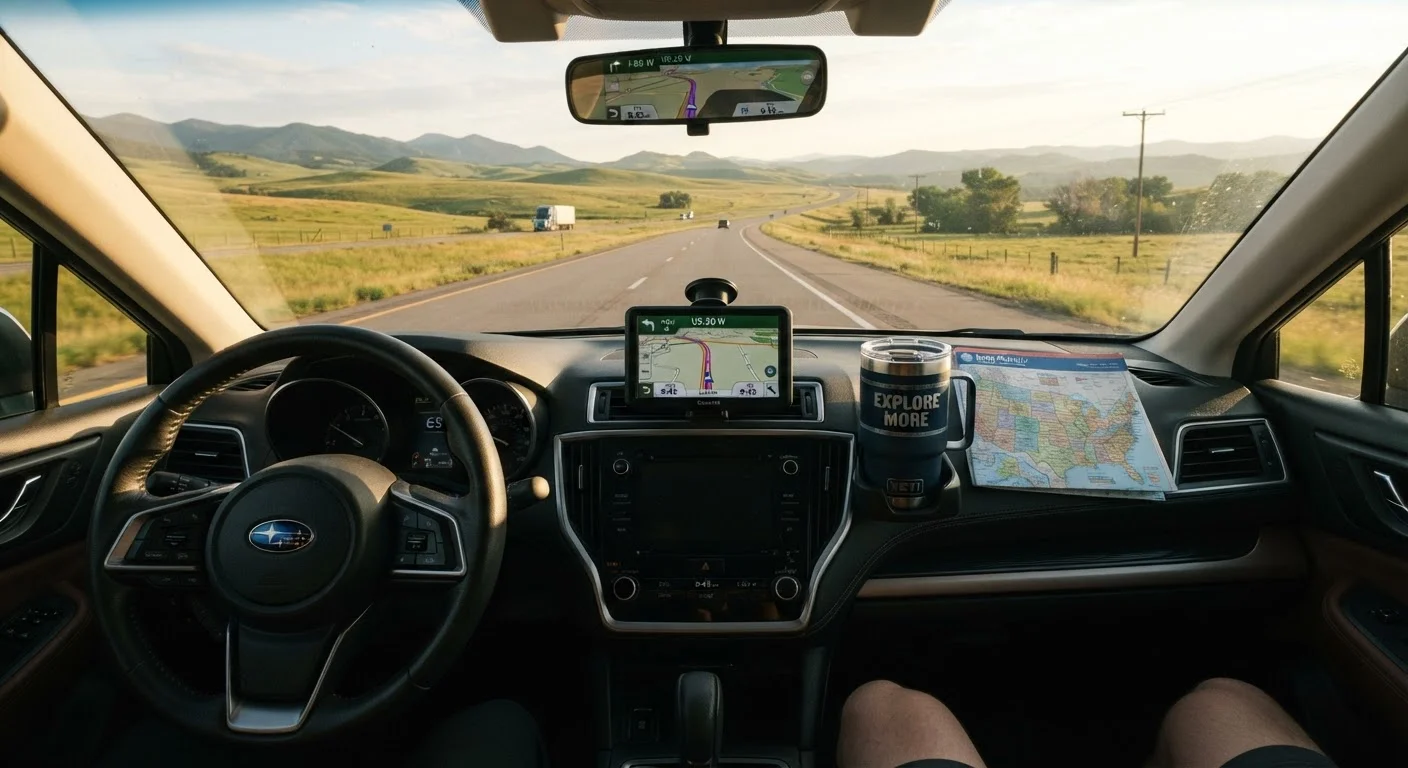
Why Your Road Trip Budget Falls Apart Before You Cross State Lines

Photo: FaqsBay.com | Trending Blogs, Top Genres editorial

Fuel math, hidden fees, and optimistic meal estimates trip up even experienced drivers. Here's where US road trip budgets most often go wrong.

Key Takeaways

  • Fuel costs are routinely underestimated because drivers use ideal EPA ratings instead of real-world mileage figures.
  • Incidental expenses — tolls, parking, snacks, and entrance fees — collectively dwarf most travelers' miscellaneous budgets.
  • Lodging booked on the fly costs significantly more than pre-planned accommodation, especially in peak summer months.
  • A 15–20% contingency fund added to your total estimate is the single most effective safeguard against budget collapse.

Where Road Trip Budgets Quietly Unravel

Road trips are one of the most joyful ways to experience the US — but they have a sneaky habit of costing significantly more than the spreadsheet said they would. The problem rarely comes from one dramatic overspend. It comes from a dozen small ones that compound across hundreds of miles. Understanding where the math goes wrong is the first step to keeping your trip both affordable and stress-free.

If you're new to longer drives, our first-timer's complete overview covers the full picture of what to expect on the road. For everyone else, the mistakes below are where experienced drivers most often see their budgets quietly fall apart — usually before they've even left their home state.

1

Using EPA-rated fuel economy to calculate gas costs instead of real-world mileage.

Why it happens: EPA window sticker numbers are the most visible mileage figure most drivers know, so they reach for them automatically when budgeting.
How to avoid: Use your actual observed mpg from recent driving — or subtract 10–15% from EPA estimates to account for highway speeds, load weight, air conditioning, and varying terrain. Multiply total trip miles by that adjusted figure, then price gallons by current state averages along your route.
2

Treating tolls, parking, and park entrance fees as negligible afterthoughts.

Why it happens: These costs feel small in isolation, so drivers bundle them vaguely into a "misc" line without researching actual figures.
How to avoid: Map your route explicitly for tolled highways and calculate per-vehicle charges. Research national and state park entrance fees in advance — some charge per vehicle and have changed pricing in recent years. Budget parking for cities individually rather than assuming free spots will appear.
3

Underestimating daily food spending by assuming every meal will be a cheap drive-through stop.

Why it happens: Travelers plan optimistically, picturing fast-food lunches, but road fatigue and curiosity about local spots consistently push spending higher.
How to avoid: Build a realistic daily food budget that includes one sit-down meal per day, road snacks, beverages, and the occasional splurge. A practical baseline for a two-person trip often runs $80–$120 per day depending on region, though your experience may vary significantly based on choices made on the road.
4

Booking lodging as you go rather than reserving ahead, especially in summer.

Why it happens: Spontaneity feels like part of the road trip spirit, and travelers assume vacancy will always be available.
How to avoid: Last-minute lodging in popular corridors and near national parks can cost two to three times the pre-booked rate during peak season. Reserve at least your first and last nights, and anchor nights around major destinations or long driving days. See how spontaneous vs. planned trips compare in cost for a fuller breakdown of the trade-offs.
5

Ignoring vehicle preparation costs and the risk of unexpected mechanical expenses.

Why it happens: Drivers assume their car is road-ready simply because it's running fine locally, overlooking the difference between daily commuting stress and sustained highway travel.
How to avoid: Budget for a pre-trip inspection, an oil change if due, and fresh wiper blades or tires if marginal. Separately, set aside an emergency mechanical fund — even a modest roadside issue like a tire repair can run $150–$300. This cost is separate from your contingency fund and specifically designated for vehicle issues.
6

Skipping a budget contingency line entirely, leaving no buffer for the unexpected.

Why it happens: Adding a contingency feels pessimistic or like padding — travelers want to believe the plan will hold.
How to avoid: Add 15–20% on top of your calculated total as a dedicated contingency. If you don't spend it, you return home ahead. If something goes sideways — a detour, a medical stop, a stormy night requiring an extra hotel stay — you won't derail the whole trip financially.

How to Build a Budget That Actually Holds Up

Avoiding these mistakes isn't about being a pessimist — it's about giving yourself the freedom to enjoy the trip without financial anxiety creeping in at mile 400. A solid road trip budget accounts for fuel at realistic consumption rates, lodging booked with at least some lead time, daily food that includes real meals, and every fee your route will realistically trigger.

Don't Budget Based on Home-State Gas Prices

Gas prices can swing by 50 cents or more per gallon between neighboring states, and prices in rural stretches can be even higher due to limited competition. Pull current average prices by state from a reliable public source like the U.S. Energy Information Administration before finalizing your fuel budget. Locking in a single national average will leave you short in higher-cost regions.

Build your budget in layers: core costs first (fuel, lodging, food), then a second pass for fees and incidentals, then a contingency on top of the total. For a deeper look at what travel budgets commonly overlook beyond road trips, see the anatomy of a complete travel budget. And if you're deciding how much flexibility to build into your itinerary, comparing spontaneous and pre-planned approaches can help you find the right balance between freedom and financial control.

Verify Toll and Fee Costs Ahead of Time

Toll infrastructure varies dramatically by state, and some corridors charge electronic-only rates that are billed to your registered plate after the fact — sometimes with added administrative fees. Before departure, map your route using a tool that flags toll roads and estimate those costs separately. This is especially important if you're driving a rental vehicle, where toll processing fees from the rental company can multiply the underlying toll cost significantly.

The goal isn't a perfect budget — it's a resilient one. Account for what you know, estimate conservatively where you can't, and build in enough cushion that a detour or a flat tire becomes a minor inconvenience rather than a crisis.

Travel & Trips Editorial Team

FaqsBay.com | Trending Blogs, Top Genres

Travel & Trips Editorial Team is the collective byline for our editorial team and contributor network. Articles published under this byline or an editorial pen name are researched, written, and reviewed according to our editorial standards for clarity, consistency, and independence before publication.

US Road TripsInternational TravelTravel Planning
View author profile

The content provided on our blog site traverses numerous categories, offering readers valuable and practical information. Readers can use the editorial team’s research and data to gain more insights into their topics of interest. However, they are requested not to treat the articles as conclusive. The website team cannot be held responsible for differences in data or inaccuracies found across other platforms. Please also note that the site might also miss out on various schemes and offers available that the readers may find more beneficial than the ones we cover.