
US Road Trips

Driving With Kids: What Experienced Road Trip Families Actually Do Differently

Driving With Kids: What Experienced Road Trip Families Actually Do Differently

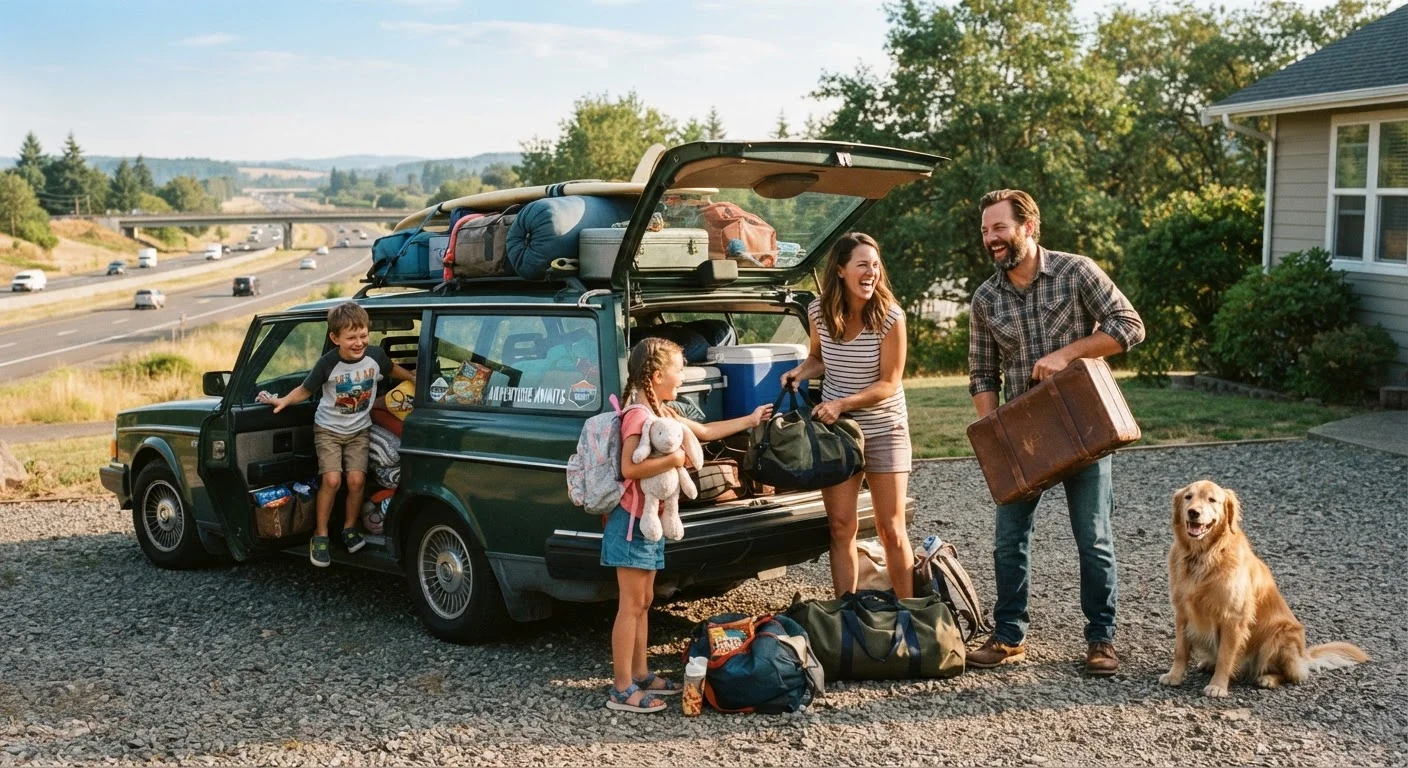
Photo: FaqsBay.com | Trending Blogs, Top Genres editorial

Family road trips succeed or fail on planning and pacing. Discover the habits and approaches that make long drives manageable with children.

Key Takeaways

  • Experienced families treat daily drive time as a hard limit, not a loose target.
  • Pre-loaded entertainment and snack systems prevent most in-car meltdowns before they start.
  • Strategic stop placement turns boring stretches into memorable moments kids actually enjoy.
  • Overnight departures and early morning starts dramatically reduce restlessness in young children.
  • Flexible itineraries with built-in buffer days reduce stress when plans inevitably shift.

Why Experienced Families Drive Differently

Most family road trips don't fail because of bad destinations — they fail because of unrealistic expectations about how long kids can tolerate being in a car. Families who road trip repeatedly develop a fundamentally different operating philosophy: they plan for the humans in the back seat first, and the destination second.

That shift changes everything — from when you leave to how you pack snacks. Whether you're mapping your first long-distance route or refining a system that's been inconsistent, the practices below reflect what veteran road-trip families actually do — not just what sounds good in theory.

Every Family's Threshold Is Different

The practices here reflect patterns reported by experienced road-trip families, but every child — and every family dynamic — is unique. Adjust mileage limits, stop frequency, and activity strategies to fit your specific kids' ages, temperaments, and needs. What works beautifully for a family with two school-age children may need significant tweaking for toddlers or teens.

The Core Practices That Make the Difference

These habits aren't complicated, but they require intentional preparation before you pull out of the driveway. Families who implement even a few of them consistently report smoother drives and kids who are genuinely excited to hit the road again.

1

Cap daily driving at a realistic threshold for your youngest child's age

Veteran families set a firm daily mileage ceiling based on their youngest passenger, not their destination urgency. Pushing past a child's tolerance window turns the car into a pressure cooker — and recovery time at the next stop eats any time you thought you saved. Treating the limit as non-negotiable keeps everyone in good spirits.
Example: A family with a four-year-old might cap drives at five hours of actual moving time, splitting a 900-mile route over three days instead of two cramped ones.
2

Build a rotating 'activity kit' that reveals new items every two hours

Novelty is the most reliable antidote to boredom for children. Keeping a curated bag of small activities — activity books, sticker sets, small puzzles, audiobooks — and revealing one new item roughly every two hours resets engagement without relying on screens alone. This also preserves screen time as a genuine treat for the toughest stretches.
Example: One family wraps each activity in brown paper and lets kids choose which 'mystery package' to open after each rest stop, turning the drive itself into a game.
3

Map stops around experiences, not just fuel and bathrooms

Kids measure trips by memorable moments, not miles. Experienced families deliberately route through state parks, quirky roadside attractions, or public splash pads so stops feel like destinations. This reframes the drive as an adventure rather than an obstacle between home and the vacation.
Example: On a drive through the Texas Hill Country, a family added a 25-minute detour to Enchanted Rock State Natural Area — their kids still talk about it years later.
4

Depart overnight or at dawn to bank hours while children sleep

Early or overnight departures mean young children sleep through the first two to four hours of driving — the stretch that would otherwise demand the most entertainment energy. Families who time departures around nap or bedtime routines consistently report smoother first days.
Example: Leaving at 4 a.m. means a family can cover 200 miles before sunrise, arriving at a rest stop just as the kids wake up hungry and ready to explore.
5

Involve kids in pre-trip route research and landmark spotting

Children who feel ownership over a trip are dramatically more cooperative passengers. Assigning each child a 'navigator job' — spotting state line signs, finding the next rest stop on a map app, or tracking how many states they've visited — converts passive riders into engaged participants.
Example: A family gave their eight-year-old a printed route map and a highlighter; he marked each completed segment proudly and begged to keep driving to reach the next highlight.
6

Prepare a dedicated snack system with portioned, mess-resistant options

Hunger triggers meltdowns faster than almost anything else on a long drive. Families who pre-portion snacks into individual containers — avoiding sticky, crumbly, or strongly scented foods — eliminate both hunger-related complaints and backseat cleanup headaches. A cooler within reach prevents unnecessary stops for convenience store runs.
Example: One family uses a divided bento-style container for each child, refreshed at every gas stop, with a mix of fruit, crackers, and cheese to maintain energy without sugar spikes.

Quick Wins You Can Implement Before Your Next Trip

You don't have to overhaul your entire approach at once. Start with the actions below — each one takes less than an hour to set up and pays off across every hour in the car.

high Download two or three audiobooks or podcasts designed for family listening before you leave home — they work even in areas with no cell signal.
high Add 30 minutes of buffer time for every three hours of planned driving to absorb unplanned stops without stress.
medium Pack a small 'car comfort kit' per child: a favorite small blanket, a neck pillow, and one familiar toy to ease transitions between seat time and stops.
medium Set a family 'stretch rule' — everyone gets out and moves for at least five minutes at every fuel stop, no exceptions.

For a broader look at how planning depth affects the entire trip experience, the real trade-offs between spontaneous and pre-planned road trips are worth understanding before you decide how loosely to structure your next family adventure.

Let the Kids Help Plan One Stop

Before departure, show kids a map and let each one pick one stop they want to make along the route — a diner, a park, a scenic overlook. When children have a stake in the itinerary, they're far more patient during the miles between. It also makes for surprisingly memorable detours you'd never have chosen yourself.

Making the Journey Part of the Destination

The families who love road trips most are the ones who stopped treating driving days as something to endure. When stops are interesting, when kids have agency over small decisions, and when the car itself becomes a comfortable, entertaining space, the journey genuinely competes with the destination for best memory of the trip.

Coordinating a family road trip has its own planning logic — quite different from solo or adult group travel. The good news is that the same qualities that make family trips challenging — unpredictability, spontaneous needs, wildly different energy levels — also produce the moments everyone talks about for years.

For a complete framework covering every stage of US road trip planning, the end-to-end American road trip planning guide is a useful companion resource for families ready to take on longer or more ambitious routes.

This article is for general informational purposes only. Travel conditions, road regulations, and safety recommendations vary by location and season — always verify current conditions with official sources before departing.

Travel & Trips Editorial Team

FaqsBay.com | Trending Blogs, Top Genres

Travel & Trips Editorial Team is the collective byline for our editorial team and contributor network. Articles published under this byline or an editorial pen name are researched, written, and reviewed according to our editorial standards for clarity, consistency, and independence before publication.

US Road TripsInternational TravelTravel Planning
View author profile

The content provided on our blog site traverses numerous categories, offering readers valuable and practical information. Readers can use the editorial team’s research and data to gain more insights into their topics of interest. However, they are requested not to treat the articles as conclusive. The website team cannot be held responsible for differences in data or inaccuracies found across other platforms. Please also note that the site might also miss out on various schemes and offers available that the readers may find more beneficial than the ones we cover.