
Cultural Etiquette Abroad: Practices That Vary More Than Americans Expect

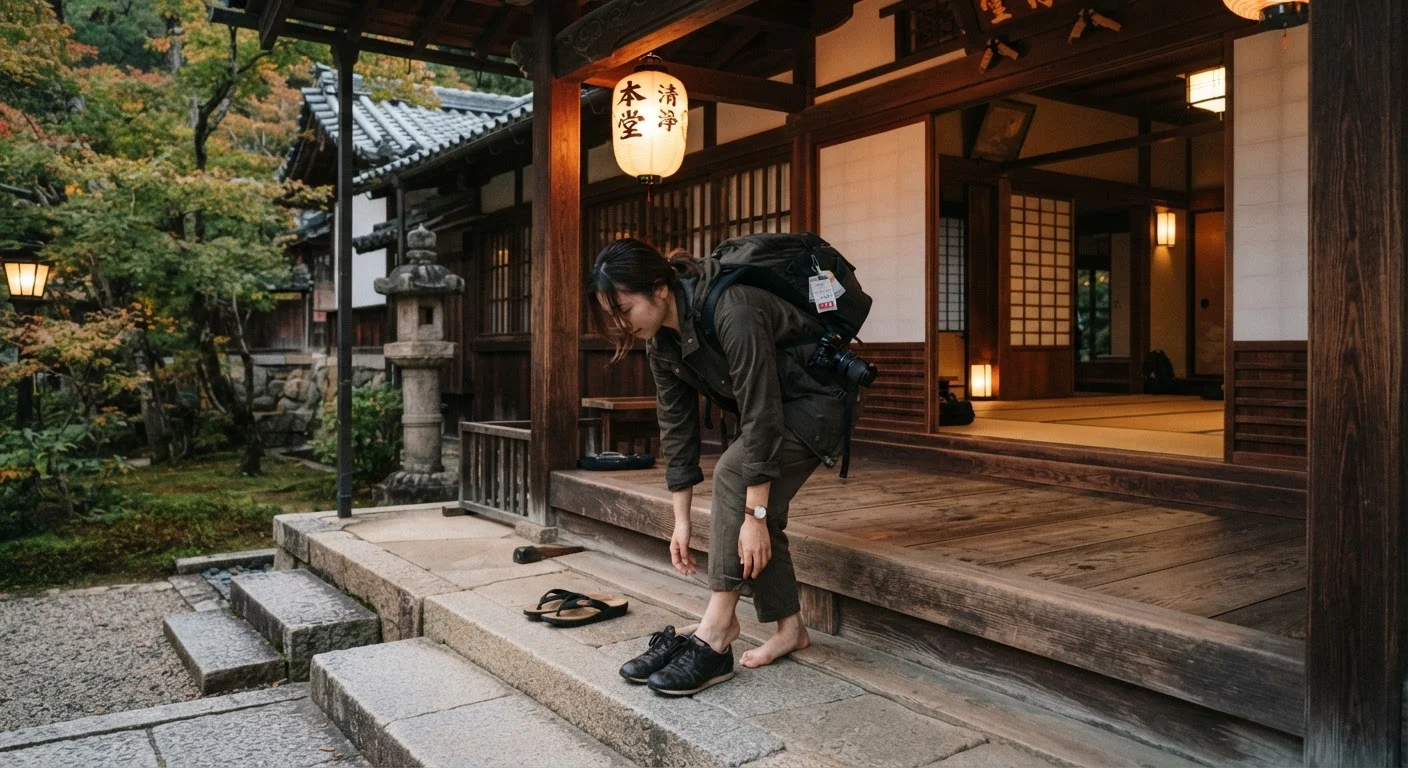
Photo: FaqsBay.com | Trending Blogs, Top Genres editorial
Key Takeaways
- Tipping is expected in the US but can be considered rude or unnecessary in many countries.
- Greeting customs — from handshakes to cheek kisses — vary widely and carry real social weight.
- Dress codes at religious and cultural sites are often strictly enforced, not merely suggested.
- Dining behaviors acceptable in America, like splitting a bill or asking for substitutions, may confuse or offend abroad.
- Understanding local etiquette signals respect and often leads to richer, warmer travel experiences.
Why Etiquette Surprises Even Experienced US Travelers
Americans travel with a set of social defaults built from years of living in the same culture — and most of us don't realize how deep those defaults run until we're sitting at a restaurant in Tokyo wondering why the waiter looks startled at the cash we left on the table. Cultural etiquette isn't about memorizing a rulebook; it's about recognizing that what feels natural and polite at home can land very differently elsewhere.
The good news: you don't need to be an anthropologist to navigate this well. A little advance research goes a long way. Before any international trip, it's worth running through a complete pre-departure checklist — cultural homework fits right alongside passport checks and travel insurance. Below are the etiquette areas that consistently catch US travelers off guard.
Tipping: generous habit or subtle insult?
In the United States, tipping 18–20% at restaurants is a near-universal expectation, and many service workers depend on it. Abroad, the picture is radically different. In Japan, tipping is widely considered rude — it can imply that the server needs charity, which is seen as disrespectful to their professionalism. In many parts of Europe, rounding up the bill or leaving small change is appreciated, but aggressive tipping can feel out of place. In some countries like South Korea and China, tipping is simply not customary and may create confusion.
Rule of thumb: research the tipping norms of each specific country before you go, not just the region. And remember that tour guides and hotel staff may operate under different expectations than restaurant servers within the same destination.
In Japan, leaving a tip can actually offend rather than compliment your server.
Greetings: more than just a handshake
Americans tend to default to a firm handshake and direct eye contact — a combination that signals confidence domestically but can read as aggressive in some cultures. In France and parts of Southern Europe, a light cheek kiss (or two, or three, depending on the region) is a standard greeting among acquaintances. In many Middle Eastern countries, men may greet each other with a handshake followed by a hand placed over the heart, while physical contact between men and women who aren't family members may be avoided entirely.
In Thailand, the traditional wai — a slight bow with palms pressed together — is the respectful greeting, and returning it when offered shows genuine awareness. Taking a moment to observe how locals greet each other in your first hours somewhere new can teach you more than any guidebook page.
Mirroring local greeting customs is one of the fastest ways to signal genuine respect.
Dress codes: when 'smart casual' isn't enough
Many US travelers underestimate how strictly dress codes are enforced at religious sites, government buildings, and even some restaurants around the world. Entering a mosque, temple, or cathedral in shorts and a sleeveless shirt may result in being turned away at the door — and in some places, it's considered genuinely offensive, not just inconvenient.
In much of Southeast Asia and South Asia, covering your shoulders and knees before entering temples is expected, not optional. In parts of the Middle East, more extensive covering is required for all visitors regardless of gender. Even in secular Italy, Catholic churches typically enforce modest dress for tourists. Pack a lightweight scarf or wrap — it takes up almost no space and solves this problem everywhere.
A lightweight scarf in your bag solves most dress-code situations at religious sites worldwide.
Dining customs: the table has its own rules
Asking for substitutions, splitting a check multiple ways, or requesting a to-go box are all normal dining behaviors in the US that can puzzle or even irritate servers in other countries. In France, heavily modifying a dish is often seen as an affront to the chef. In many Asian countries, sharing dishes family-style is the norm — ordering individual entrées for each person can seem oddly antisocial. In China and Japan, it's polite to wait for the eldest or most senior person at the table to begin eating before you do.
In some cultures, finishing every bite on your plate signals appreciation; in others, leaving a small amount indicates you've had enough and were well fed. These aren't obscure customs — they're everyday norms that locals notice when visitors ignore them.
Finishing your plate means something different in almost every culture — check before you assume.
Public behavior: volume, space, and eye contact
Americans are, by many international standards, louder in public spaces than is considered polite. On trains in Japan, talking on the phone is genuinely frowned upon, and many carriages maintain near-silence by social agreement. In Germany and Scandinavia, strangers typically don't make small talk in queues or on public transit — it can feel intrusive rather than friendly. Conversely, in parts of Latin America and the Mediterranean, animated conversation and close physical proximity among strangers is perfectly normal.
Personal space norms also vary considerably. What feels like an acceptable conversational distance in Ohio might feel either too close or standoffishly far in another country. Staying observant and adjusting your behavior to match the energy of the room is a skill that pays off throughout any international trip.
In Japan's public transit culture, keeping quiet isn't just courtesy — it's a widely shared social expectation.
Shoes, hands, and other unspoken rules
Removing shoes before entering a home is standard practice across much of Asia, the Middle East, and parts of Northern Europe — and failing to do so can be a serious breach of hospitality. Look for a cluster of shoes at the entryway as your signal. In many cultures, the left hand is considered unclean and is not used for passing food, handing over money, or greeting others — this is especially relevant across parts of Africa, South Asia, and the Middle East.
Pointing with a single finger is considered rude in several Asian and African cultures; an open hand or a nod of the head is preferred. These details feel minor in isolation, but together they add up to an impression — and travelers who notice and adapt them are consistently welcomed more warmly.
A cluster of shoes at the door is your universal cue to remove yours before entering.
Making Cultural Awareness Part of Every Trip
Cultural missteps are rarely unforgivable — most locals extend genuine goodwill to curious, respectful visitors. What matters is the intent behind the gesture: a quiet attempt to follow local norms communicates far more than perfect execution. Even learning a few words of the local language or pausing to observe what others do before diving in can shift the energy of an interaction entirely.
Do a Quick Country-Specific Etiquette Search
Etiquette also intersects with practical travel decisions. How money moves, for instance, shapes tipping situations directly — understanding how to handle cash and cards abroad helps you arrive prepared with the right payment method for the culture you're entering. Travel with curiosity, do a bit of homework ahead of time, and you'll find that navigating cultural differences becomes one of the more rewarding parts of going somewhere new.
The content provided on our blog site traverses numerous categories, offering readers valuable and practical information. Readers can use the editorial team’s research and data to gain more insights into their topics of interest. However, they are requested not to treat the articles as conclusive. The website team cannot be held responsible for differences in data or inaccuracies found across other platforms. Please also note that the site might also miss out on various schemes and offers available that the readers may find more beneficial than the ones we cover.