
Why Pets Still Get Sick Even When Owners Do Everything Right

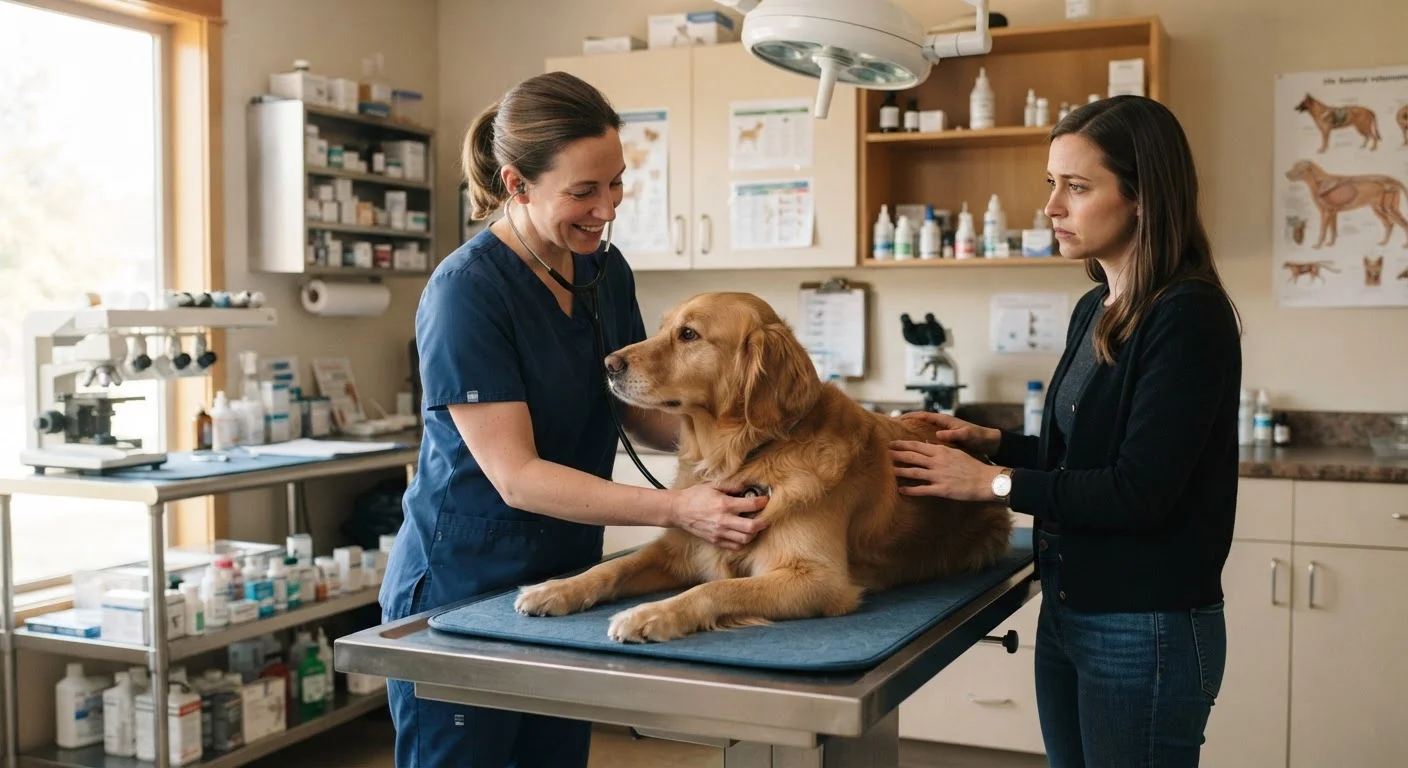
Photo: FaqsBay.com | Trending Blogs, Top Genres editorial
Key Takeaways
- Genetics, breed predispositions, and random biological variation cause illness independent of owner care quality.
- Environmental exposures — including pathogens, toxins, and stress — can occur even in well-managed households.
- Preventive care reduces risk significantly but cannot eliminate it entirely for any individual pet.
- Guilt-driven responses can interfere with calm, timely decision-making when a pet falls ill.
- Monitoring behavior and physical changes closely remains one of the most valuable things an owner can do.
The Limits of Preventive Care
Responsible pet ownership — consistent vaccinations, parasite prevention, quality nutrition, and routine veterinary checkups — meaningfully reduces the likelihood of many illnesses. But it does not create a biological force field. Medicine, both human and veterinary, has long recognized that disease risk has two categories: what we can influence and what we cannot.
Vaccines are among the most powerful tools available, yet they target specific pathogens. A well-vaccinated dog can still develop kidney disease, a soft-tissue sarcoma, or an autoimmune condition that no vaccine addresses. A cat fed a carefully balanced diet can still develop hyperthyroidism, a condition driven primarily by changes in thyroid tissue rather than by dietary choices. Understanding these limits is not discouraging — it is the foundation of realistic, effective pet care.
~1 in 4
Dogs develop cancer in their lifetime
The Veterinary Cancer Society estimates approximately one in four dogs will develop cancer at some point, a figure that holds across well-cared-for populations, reflecting the role of genetics and biological chance.
~10%
Cats over 10 years affected by hyperthyroidism
Studies in veterinary internal medicine estimate hyperthyroidism affects roughly 10% of cats over age 10, making it one of the most common endocrine disorders in older cats regardless of diet or care quality.
Over 300
Hereditary conditions identified in purebred dogs
Research compiled by veterinary geneticists has catalogued more than 300 heritable diseases across dog breeds, underscoring how significantly genetics shapes individual health risk.
Genetics and Breed Predispositions
Every pet inherits a biological blueprint that shapes its health trajectory in ways no owner can rewrite after the fact. Selective breeding for physical and behavioral traits in dogs, in particular, has inadvertently concentrated certain disease vulnerabilities. Brachycephalic breeds — those with shortened snouts like bulldogs and pugs — frequently experience respiratory and dental complications. Large and giant breeds carry elevated risk for conditions such as hip dysplasia and dilated cardiomyopathy. Certain cat breeds have known predispositions to polycystic kidney disease and hypertrophic cardiomyopathy.
These genetic tendencies operate quietly in the background regardless of how attentive an owner is. They are not failures of care; they are inherited characteristics. What genetics does allow is targeted monitoring: knowing your pet's breed risks enables earlier conversations with your veterinarian and, in some cases, earlier intervention. For older pets, these inherited vulnerabilities often interact with normal aging — a topic explored further in our article on how aging affects pet behavior and health.
Environmental and Infectious Factors
Even a carefully managed home environment carries unavoidable exposure risks. Viruses, bacteria, and fungi exist in soil, water, air, and on surfaces that pets routinely contact during walks, outdoor time, or social interactions with other animals. Some pathogens are geographically prevalent — fungal infections like Valley fever, for instance, are regional and can affect pets in endemic areas regardless of how cautiously owners manage outdoor exposure.
Household air quality, secondhand smoke, mold exposure, and ambient toxins also play a role that owners often underestimate. Some toxins accumulate slowly and produce symptoms that appear long after the exposure event itself. This is not a call for anxiety — it is a reminder that the environment is complex and only partially within any individual's control.
Track Your Pet's Baseline Health Habits
Random Biological Variation and Chance
Perhaps the most difficult concept for caring owners to accept is that biological systems are inherently probabilistic. Cells divide, and occasionally a division goes wrong. Immune responses vary between individuals of the same species and even the same litter. Some pets develop allergies, autoimmune disorders, or idiopathic (meaning: unknown cause) conditions that no environmental or genetic factor cleanly explains.
Veterinarians see this routinely: two dogs raised identically in the same household, fed the same food, given the same care — and one develops chronic inflammatory bowel disease while the other does not. This is not a mystery that implies owner error; it reflects normal biological variance. Maintaining a healthy body weight, a factor owners can influence, does reduce certain downstream risks — our guide to keeping your pet at a healthy weight explains how body condition scoring works in practice. But even optimal weight management cannot override every biological roll of the dice.
What Owners Can Do: Observation Over Perfection
The most actionable shift an owner can make is moving away from the goal of preventing all illness and toward the goal of detecting illness early. Owners who know their pet's baseline — normal appetite, typical energy level, usual elimination habits, resting posture — are far better positioned to notice subtle deviations that warrant a veterinary call. Early detection consistently improves treatment outcomes across most disease categories.
Avoid interpreting any illness as evidence that something went wrong in your care. Instead, treat it as information. Some common habits do carry real risk and are worth reviewing — but most pets who fall ill under conscientious care are not victims of owner error. They are living animals subject to the same biological uncertainties that affect all living things.
This article provides general information for educational purposes and is not a substitute for professional veterinary advice. Always consult a licensed veterinarian for guidance specific to your pet's health.
Frequently Asked Questions
The content provided on our blog site traverses numerous categories, offering readers valuable and practical information. Readers can use the editorial team’s research and data to gain more insights into their topics of interest. However, they are requested not to treat the articles as conclusive. The website team cannot be held responsible for differences in data or inaccuracies found across other platforms. Please also note that the site might also miss out on various schemes and offers available that the readers may find more beneficial than the ones we cover.