
Savings and Debt Management: A Complete Personal Finance Roadmap

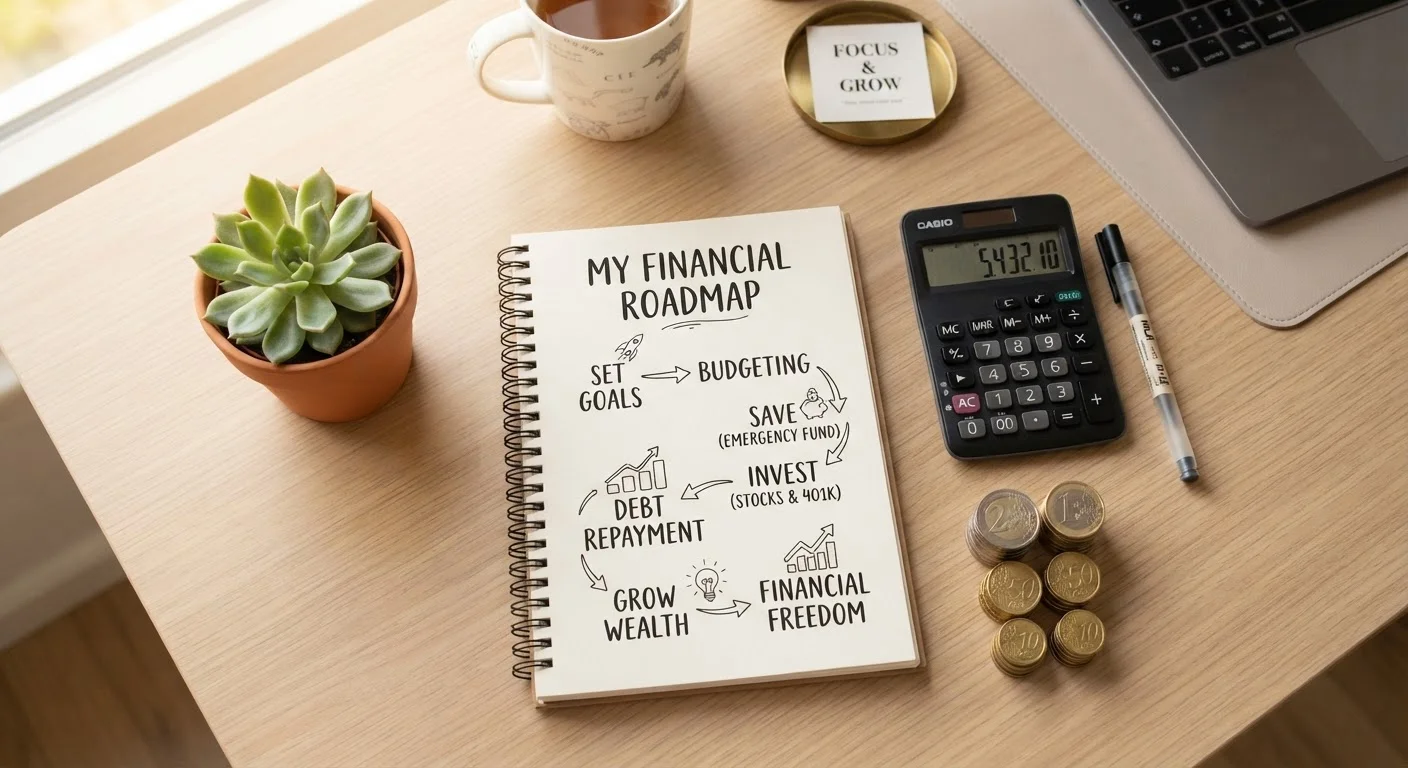
Photo: FaqsBay.com | Trending Blogs, Top Genres editorial
Key Takeaways
- An emergency fund of three to six months of expenses is the cornerstone of any debt payoff plan.
- High-interest debt costs you money every month it goes unpaid—prioritize it accordingly.
- The debt avalanche and debt snowball methods each offer distinct psychological and financial benefits.
- Automating savings deposits removes the temptation to spend before you save.
- Small, consistent actions compound over time into significant financial progress.
Why Savings and Debt Management Work Together
Many people treat savings and debt repayment as opposing forces—as if every dollar saved is a dollar not applied to debt, and vice versa. In reality, these two goals reinforce each other. A small cash cushion prevents you from taking on new debt when an unexpected bill arrives, which means your debt balance stops growing even while you work to shrink it.
Think of your financial life as a leaky bucket. Debt is the hole; savings is the water you're adding. Plugging the hole (reducing debt) and filling the bucket (building savings) must happen together. Ignoring either side undermines the other. For foundational vocabulary—terms like debt-to-income ratio, compound interest, and liquidity—see our plain-language financial glossary.
~$6,000
Median US household credit card balance
According to Federal Reserve consumer credit data, credit card balances represent one of the most common and high-cost debt burdens for American households.
40%
Adults who cannot cover a $400 emergency
The Federal Reserve's Report on the Economic Well-Being of U.S. Households has consistently found a significant share of adults lack immediate liquid reserves for unexpected expenses.
20–22%
Typical credit card APR range
The Consumer Financial Protection Bureau tracks average credit card interest rates, which have remained well above other common borrowing rates in recent years.
Building Your Savings Foundation
Before aggressively attacking debt, establish a starter emergency fund—commonly recommended at $1,000 to one month of essential expenses. This buffer means a car repair or medical co-pay doesn't send you straight back to a credit card. Once debt is under control, the goal expands to three to six months of living costs.
Practical steps to build savings faster:
- Pay yourself first: Set up an automatic transfer to a savings account on the same day your paycheck lands. Even $25 per pay period builds the habit.
- Use a separate account: Keeping savings physically separate from your checking account reduces the temptation to spend it.
- Capture windfalls: Tax refunds, bonuses, and gifts are powerful one-time boosts—deposit a predetermined percentage before spending any of it.
For a broader look at approaches that work across income levels, see our guide on savings strategies for every income.
Name your savings accounts by goal—'Emergency Fund,' 'Car Repair,' 'Vacation'—rather than leaving them as generic accounts. Labeled accounts reduce the likelihood you'll raid one fund to cover another.
When you pay off a debt, immediately redirect that exact monthly payment to your next target or to savings. Don't let the freed cash dissolve into spending.
Proven Strategies to Pay Down Debt
Two well-established frameworks help structure debt repayment. Neither is universally superior—the right choice depends on your personality and financial situation.
Debt Avalanche
List all debts by interest rate, highest first. Pay minimums on everything, then direct all extra dollars to the highest-rate balance. Mathematically, this minimizes total interest paid over time.
Debt Snowball
List debts by balance, smallest first. Pay off the smallest balance entirely before moving to the next. Each payoff delivers a motivational win that research suggests helps many people stay consistent.
Don't Skip Minimum Payments While Strategizing
Whichever method you choose, avoid accumulating new debt during the process. If your spending outpaces your income, revisit your household budget framework before doubling down on repayment.
Balancing Saving and Debt Repayment Simultaneously
A practical rule of thumb: if a debt carries an interest rate above roughly 7–8% (a range often cited as approximating long-run market return expectations), prioritizing that debt generally makes mathematical sense before directing extra funds elsewhere. Below that rate, splitting extra dollars between savings and debt can be reasonable—though this is general guidance, not personalized financial advice. Consult a licensed financial adviser for decisions specific to your situation.
A simple allocation model many planners reference is the 50/30/20 rule: roughly 50% of take-home pay toward needs, 30% toward wants, and 20% split between savings and debt repayment. Adjust percentages to fit your circumstances.
If you're starting completely from scratch, our beginner financial roadmap walks through the earliest foundational steps before this guide's strategies apply.
Staying on Track for the Long Haul
Progress in personal finance is rarely linear. Expenses spike, incomes fluctuate, and motivation wanes. Building systems—not just willpower—is what sustains momentum.
- Monthly check-ins: Review balances and progress toward savings targets once a month. Fifteen minutes is enough to catch drift early.
- Celebrate milestones: Paying off a credit card or hitting a $5,000 savings mark deserves acknowledgment—within budget.
- Adjust without abandoning: If a month goes sideways, recalibrate rather than restart. Consistency over perfection is the goal.
This roadmap is part of a larger picture. Our comprehensive resource, Personal Finance: A Complete Planning Guide for Everyday Americans, covers budgeting, investing, and retirement in a single end-to-end reference.
This article is for general informational and educational purposes only and does not constitute personalized financial, investment, tax, or legal advice. Consult a qualified, licensed financial professional before making decisions specific to your situation.
The content provided on our blog site traverses numerous categories, offering readers valuable and practical information. Readers can use the editorial team’s research and data to gain more insights into their topics of interest. However, they are requested not to treat the articles as conclusive. The website team cannot be held responsible for differences in data or inaccuracies found across other platforms. Please also note that the site might also miss out on various schemes and offers available that the readers may find more beneficial than the ones we cover.