
The 50/30/20 Rule Unpacked

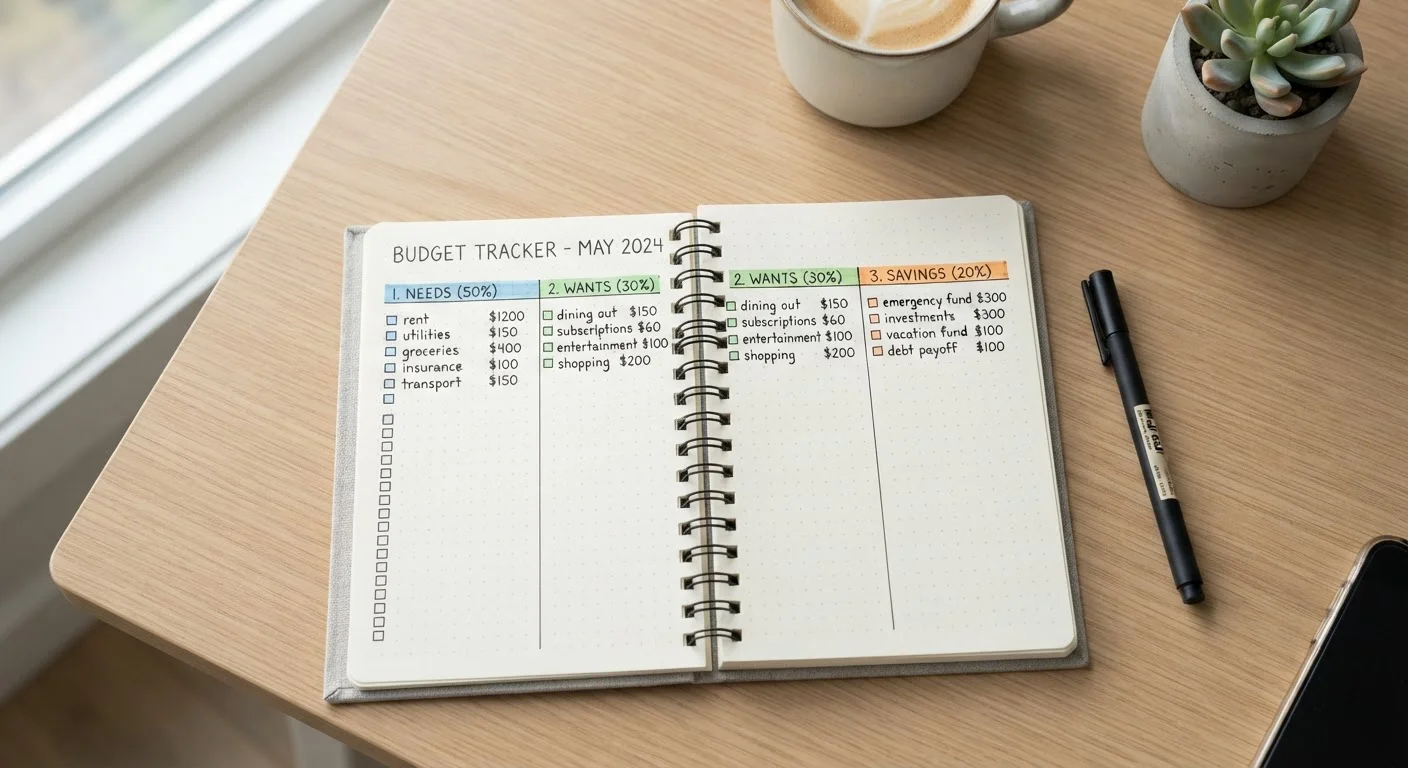
Photo: FaqsBay.com | Trending Blogs, Top Genres editorial
Key Takeaways
- The 50/30/20 rule splits after-tax income into needs (50%), wants (30%), and savings or debt payoff (20%).
- Needs are non-negotiable essentials; wants are lifestyle choices you could live without.
- The 20% savings bucket covers emergency funds, retirement contributions, and extra debt payments.
- The rule works best as a starting framework — it may need adjustment for high cost-of-living areas or lower incomes.
- Tracking actual spending for one month is the most reliable way to see where you stand against the framework.
- Consulting a financial professional can help tailor any budgeting approach to your specific situation.
Breaking Down Each Percentage
The 50/30/20 rule — widely attributed to Senator Elizabeth Warren and her daughter Amelia Warren Tyagi from their book All Your Worth — provides a broad architecture for spending without requiring a line-item budget. Here's what each slice actually covers.
50% — Needs
Needs are expenses you genuinely cannot avoid: rent or mortgage payments, utilities, groceries, health insurance premiums, minimum debt payments, and basic transportation. The defining test is whether going without would create a serious hardship or legal obligation. A streaming subscription fails this test; electricity does not.
30% — Wants
Wants cover spending that improves quality of life but isn't essential to basic functioning. Dining out, gym memberships, travel, entertainment, and upgraded phone plans all belong here. This isn't a morality judgment — wants are a healthy part of a sustainable budget. The 30% ceiling simply prevents lifestyle spending from crowding out obligations and savings.
20% — Savings and Debt Repayment
This bucket encompasses building an emergency fund, contributing to retirement accounts (such as a 401(k) or IRA), and making extra payments on debt beyond the required minimum. The order in which you prioritize these within the 20% depends on your circumstances — for example, many financial educators suggest covering a small emergency fund before aggressively investing, so unexpected costs don't force you into new debt. For personalized guidance on sequencing, consider working with a licensed financial adviser.
~35%
Average share of income spent on housing
The U.S. Bureau of Labor Statistics Consumer Expenditure Survey consistently shows housing as the largest spending category for American households, often exceeding the rule's implied share within the 50% needs bucket.
57%
Americans living paycheck to paycheck
Surveys from various financial research organizations have repeatedly found that a majority of U.S. adults have little to no financial cushion, underscoring why a structured savings target in the 20% bucket matters.
20%
Recommended minimum savings rate
The 20% savings-and-debt target within the rule aligns broadly with guidance from many financial planning professionals as a sustainable long-term savings benchmark.
When the Formula Works — and When It Doesn't
The 50/30/20 rule is most effective as an entry point for people who have never structured their spending before. Its simplicity is its strength: three categories are easy to remember and easy to review at a glance. For a more detailed comparison of this and other frameworks, see every budgeting method explained side by side.
Where It Falls Short
The formula assumes that 50% of net income can realistically cover essential living costs. In many high cost-of-living metros — New York, San Francisco, Boston — housing alone can consume well over 50% of a median income. In those situations, the 30% wants allocation has to shrink first, and the savings target may need temporary adjustment. The rule also doesn't distinguish between different savings priorities: an emergency fund, a retirement account, and a down payment fund all have different urgency and time horizons. For help balancing near-term and distant goals, balancing short- and long-term financial goals is worth exploring.
Start With One Month of Real Data
If you prefer a more aggressive savings philosophy, the pay-yourself-first approach routes savings out of your paycheck before you have a chance to spend — a structural alternative worth considering alongside the 50/30/20 model.
Putting the Rule Into Practice
Start by calculating your actual monthly net income. Then pull three months of bank and credit card statements and categorize every transaction as a need, want, or savings contribution. Most people are surprised by how much flows into one category versus another — particularly wants.
If your needs consistently exceed 50%, the priority is to identify which needs have any flexibility (such as housing, if moving is eventually feasible, or transportation choices) and which truly do not. Additional savings strategies worth knowing at every income level can help fill gaps when the 20% target feels out of reach. And if you're still working out which budgeting framework fits your life overall, comparing budgeting methods lays out the trade-offs clearly.
The 50/30/20 rule is a guide, not a guarantee. Treat it as a diagnostic tool: a way to see where your money is actually going and to have an honest conversation with yourself — or a qualified financial professional — about whether your current allocation is serving your goals.
This article is for general informational and educational purposes only and does not constitute personalized financial or investment advice. Please consult a licensed financial adviser for guidance specific to your situation.
Frequently Asked Questions
The content provided on our blog site traverses numerous categories, offering readers valuable and practical information. Readers can use the editorial team’s research and data to gain more insights into their topics of interest. However, they are requested not to treat the articles as conclusive. The website team cannot be held responsible for differences in data or inaccuracies found across other platforms. Please also note that the site might also miss out on various schemes and offers available that the readers may find more beneficial than the ones we cover.