
Budgeting Methods Compared: Which Approach Fits Your Life?

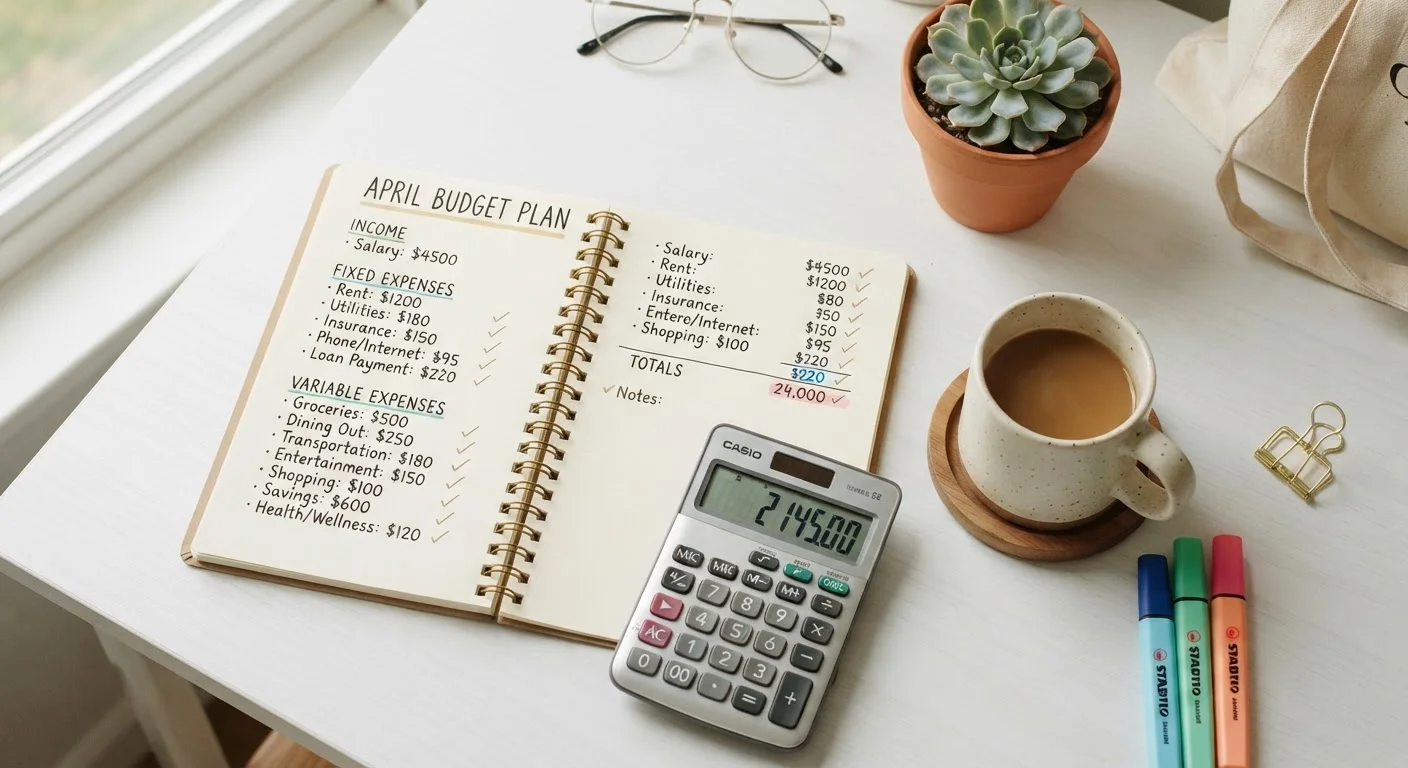
Photo: FaqsBay.com | Trending Blogs, Top Genres editorial
Key Takeaways
- No single budgeting method works for everyone — your income pattern, personality, and goals all matter.
- The 50/30/20 rule offers simplicity; zero-based budgeting offers precision; pay-yourself-first prioritizes saving automatically.
- Irregular income earners often need a more flexible or hybrid approach.
- Consistency matters more than the method you choose — the best budget is one you'll actually stick with.
- Consulting a financial professional can help tailor a budgeting strategy to your specific circumstances.
Why Your Budgeting Method Matters
Most people know they should have a budget. Fewer have one that actually holds up past the first month. One overlooked reason: the method doesn't match the person. A framework that feels intuitive to one household may feel suffocating or hopelessly vague to another.
Understanding how the major budgeting approaches differ — and what kind of financial life each one fits — helps you make a more informed choice before investing time in a system. For a grounding in the fundamentals, the Budgeting Basics hub is a useful starting point.
This article is general financial information, not personalized advice. For guidance tailored to your situation, consider speaking with a licensed financial professional.
The Four Main Budgeting Frameworks
Here's how the most widely used methods work in practice:
50/30/20 Rule
This method divides after-tax income into three broad categories: 50% toward needs (housing, utilities, groceries), 30% toward wants (dining out, entertainment, hobbies), and 20% toward savings and debt repayment. Its appeal is simplicity — you track three buckets, not dozens of line items.
Zero-Based Budgeting
Every dollar of income is assigned a purpose, so income minus expenses equals zero at month's end. This doesn't mean spending everything — savings and investments count as assigned purposes. It requires more upfront effort but gives a precise picture of where money goes.
Pay-Yourself-First (Reverse Budgeting)
Before paying any bill, you move a set amount into savings or retirement. Whatever remains covers living expenses. This approach makes saving automatic and non-negotiable, which suits people who tend to spend what's available.
Envelope Method
Spending categories are funded with physical cash (or digital equivalents) in separate envelopes. When a category runs out, spending stops. It's highly tangible and effective for curbing overspending in specific areas like groceries or dining.
| 50/30/20 Rule | Zero-Based Budgeting | Pay-Yourself-First | Envelope Method | |
|---|---|---|---|---|
| Effort level | Low | High | Medium | Medium |
| Best for income type | Steady salary | Any income | Steady salary | Variable or steady |
| Savings priority | Moderate (20% rule) | Explicit and intentional | Highest priority | Category-dependent |
| Spending control | Broad categories | Precise per category | Remainder-based | Hard stops per category |
| Flexibility | High | Low to medium | Medium | Low |
| Suitable for beginners | Yes | Steeper learning curve | Yes | Yes |
How to Match a Method to Your Situation
Your income pattern is often the most important factor. If you earn a predictable salary, most methods work. If your income varies month to month — as it does for freelancers and gig workers — a rigid percentage-based system can become unreliable. Budgeting on an irregular income requires strategies built around income floors rather than fixed amounts.
Your relationship with money tracking also matters. If detailed tracking energizes you, zero-based budgeting rewards that effort with clarity. If it drains you, a simpler method like 50/30/20 prevents decision fatigue from derailing your efforts entirely. See also: why budgets often fail in month two — behavioral patterns, not math errors, are usually the culprit.
Couples face additional dynamics. Different spending styles and financial values can make any method feel like a negotiation. Budgeting as a couple often benefits from choosing a method together, rather than one partner imposing a framework on the other.
Try Before You Fully Commit
Connecting Your Budget to Bigger Goals
A budget isn't just about monthly cash flow — it's a tool for reaching longer-term milestones. Whether you're building an emergency fund, saving for a home down payment, or planning for retirement, your budgeting method should create room for those goals rather than treating them as an afterthought.
Pay-yourself-first budgeting is particularly well-suited to long-range planning because savings happen before discretionary spending. Zero-based budgeting, meanwhile, makes it explicit: you can see exactly what you're allocating to retirement versus entertainment each month.
Balancing short-term and long-term financial goals is a challenge every budgeter faces — making sure today's spending doesn't crowd out tomorrow's security. Once you have a method in place, building savings and managing debt becomes the natural next focus.
If you're weighing the trade-offs of a more structured approach, the real pros and cons of strict budgeting offers an honest look at what tighter frameworks deliver — and where they tend to create friction.
This article is for general informational purposes only and does not constitute personalized financial, tax, or legal advice. Consult a qualified financial professional before making decisions about your specific financial situation.
The content provided on our blog site traverses numerous categories, offering readers valuable and practical information. Readers can use the editorial team’s research and data to gain more insights into their topics of interest. However, they are requested not to treat the articles as conclusive. The website team cannot be held responsible for differences in data or inaccuracies found across other platforms. Please also note that the site might also miss out on various schemes and offers available that the readers may find more beneficial than the ones we cover.